

- Improve insulation coverage and thermal performance
- Help reduce drafts and uneven indoor temperatures
- Cellulose and fiberglass insulation options
- Evaluation of air leakage, ventilation, and moisture concerns
Improve Comfort Starting at the Top of Your Home
The attic plays an important role in how a home manages heat throughout the year.
During a Southwest Michigan winter, indoor heat naturally moves toward colder areas. During summer, a hot attic can transfer heat toward the living space below.
When attic insulation is thin, uneven, compressed, missing, or damaged, homeowners may notice uncomfortable upper floors, drafts, cold ceilings, or rooms that are difficult to keep at a consistent temperature.
Worthy Construction provides professional attic insulation services for homeowners in Kalamazoo and throughout Southwest Michigan.
We look beyond insulation depth alone.
Air leakage, moisture, ventilation, attic access points, roof conditions, and the way insulation is distributed can all affect how well the attic performs.
Our goal is to improve the thermal boundary between the living space and attic while keeping necessary ventilation pathways open and addressing conditions that should not simply be covered with new insulation.
What to Expect From Our Attic Insulation Service
1. Discuss the Problems You Have Noticed
We start by asking what is happening inside your home.
Common concerns include:
- Cold rooms during winter
- Hot upper floors during summer
- Drafts near ceilings or attic access points
- Thin or uneven attic insulation
- Ice dams
- Moisture or condensation
- Musty attic odors
- Insulation disturbed by previous work
- Visible gaps or bare areas
These symptoms help us understand where the attic may be underperforming.
2. Evaluate the Existing Attic Insulation
We inspect accessible attic areas and look for:
- Insulation depth and coverage
- Bare or thin areas
- Settled loose-fill insulation
- Compressed material
- Gaps around framing
- Insulation around attic hatches
- Moisture staining
- Pest disturbance
- Blocked ventilation pathways
- Visible air-leakage locations
The purpose is to understand both the amount of insulation and the condition of the attic around it.
3. Identify Conditions That Should Be Corrected First
Adding insulation is not always the first step.
We may find issues such as:
- Active moisture
- Roof leakage
- Improperly vented exhaust fans
- Blocked soffit ventilation
- Significant air leakage
- Contaminated insulation
- Damaged attic materials
These conditions should be addressed before new insulation covers them.
4. Recommend the Appropriate Insulation Plan
Depending on the attic, the recommendation may involve:
- Adding insulation over suitable existing material
- Correcting uneven coverage
- Improving insulation around attic access points
- Removing damaged or contaminated insulation
- Restoring insulation displaced by previous work
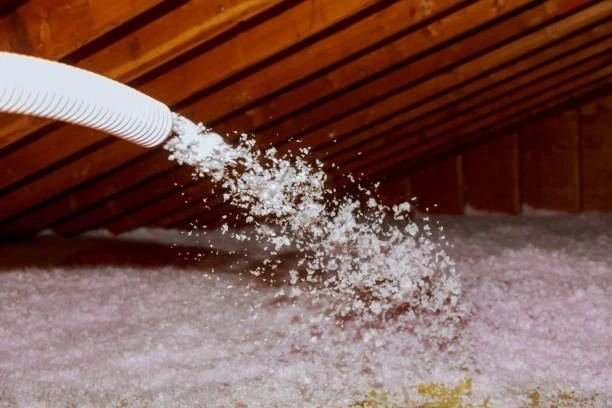
- Using cellulose or fiberglass loose-fill insulation
We explain what we find before recommending the work.
5. Install the Insulation
The new material is installed with attention to consistent coverage and proper depth for the selected product and project.
We also avoid blocking intended ventilation pathways or covering areas that require access.
Why Attic Insulation Matters
The attic is often one of the largest boundaries between conditioned living space and outside temperatures.
Insulation slows heat transfer through that boundary.
Proper attic insulation can contribute to:
- More consistent room temperatures
- Less heat transfer through ceilings
- Improved winter comfort
- Improved summer comfort
- Reduced strain caused by major thermal weak spots
- Better overall building-envelope performance
Actual energy use depends on many factors, including HVAC equipment, air leakage, thermostat settings, weather, windows, and home design.
Insulation is one important part of that system.

Cellulose Attic Insulation
Cellulose insulation is commonly used as blown-in attic insulation.
It consists primarily of treated cellulose fibers and can be distributed across attic floors and irregular spaces.
Cellulose may be useful when an attic contains:
- Uneven framing
- Existing loose-fill insulation
- Numerous small spaces
- Areas around wiring or other obstructions
- Large open attic floors
Because it is blown into place, cellulose can provide continuous coverage across areas that would be difficult to fill with rigid pieces.
The existing attic still needs to be evaluated first for moisture, ventilation, and other problems.
Fiberglass Attic Insulation
Fiberglass insulation is another common attic option.
Depending on the project, fiberglass may be installed as loose-fill material or in other suitable forms.
Blown fiberglass can provide coverage across:
- Open attic floors
- Framing cavities
- Irregular areas
- Existing insulation that is suitable to remain
Like any insulation, it performs best when coverage is consistent and significant gaps are avoided.
The appropriate material depends on the attic, existing insulation, project goals, and other building conditions.
Signs Your Attic May Need More Insulation
Uneven Temperatures
Rooms directly below the attic may feel noticeably colder in winter or warmer in summer than other parts of the home.
Insulation is not the only possible cause, but uneven attic coverage can contribute.
Thin or Patchy Insulation
If large portions of the attic floor have noticeably less insulation than surrounding areas, heat can move more easily through those weak spots.
Visible Ceiling Joists
Seeing the framing clearly across large portions of an attic can sometimes indicate limited insulation coverage, depending on the material and assembly.
The appropriate insulation level should be evaluated based on the existing system rather than appearance alone.
Drafts Near the Attic Access
Attic hatches and pull-down stairs can create significant thermal and air-leakage weak points when they are poorly insulated or sealed.
Hot Upper Floors
During summer, rooms beneath the attic may become uncomfortable when heat moves downward from a hot attic through an under-insulated ceiling.
Cold Upper Floors
During winter, insufficient attic insulation can allow more heat to escape through the ceiling plane.
Ice Dams
Recurring ice near roof edges may indicate uneven roof temperatures.
Heat reaching the roof deck from below can contribute to snow melting higher on the roof and refreezing near colder eaves.
Insulation is one factor that should be evaluated when this repeatedly occurs.
Attic Insulation and Air Leakage
Insulation and air sealing perform different jobs.
Insulation slows heat transfer.
Air sealing reduces unwanted air movement through openings in the building envelope.
Common attic air-leakage areas may include:
- Attic hatches
- Plumbing penetrations
- Electrical penetrations
- Framing transitions
- Top plates
- Utility openings
- Gaps around certain fixtures
Air moving from the home into the attic can carry heat and moisture with it.
This is why simply adding deeper insulation over significant leakage points may not solve every comfort or moisture problem.
The attic should be viewed as a complete system.
Attic Insulation and Ventilation
Adding insulation should not block the airflow pathways designed into the roof and attic system.
Ventilation may help manage heat and moisture within the attic assembly.
Depending on the roof design, airflow may enter near the eaves and exit higher on the roof.
Insulation placed incorrectly can block those intake areas.
Baffles or other ventilation details may be needed to keep airflow paths open while still providing insulation near the roof edges.
Insulation and ventilation should support each other rather than interfere with one another.
Attic Insulation and Moisture
Wet insulation deserves attention before additional material is installed.
Potential moisture sources include:
- Roof leaks
- Condensation
- Plumbing leaks
- Exhaust fans venting into the attic
- Exterior water intrusion
- Air leakage carrying indoor moisture upward
Warning signs may include:
- Dark roof decking
- Wet insulation
- Water staining
- Frost during cold conditions
- Musty odors
- Damp wood
New insulation should not simply cover an active moisture problem.
If roof conditions are suspected, a professional roof inspection can help determine whether water is entering through the roofing system.
Attic Insulation and Ice Dams
Ice dams form when snow melts on a warmer section of roof and refreezes near the colder edge.
Attic heat loss can contribute to those uneven roof temperatures.
Improving attic insulation and reducing major air leakage can help limit unnecessary heat reaching the roof deck.
However, recurring ice dams may involve several factors:
- Insulation
- Air leakage
- Ventilation
- Roof design
- Snow depth
- Sun exposure
- Outdoor temperature
Existing roof-edge ice may require separate attention.
Our ice dam removal service addresses active ice buildup while the attic conditions can be evaluated for contributing factors.
Common Attic Insulation Problems
Uneven Coverage
Loose-fill insulation can be disturbed by work in the attic, foot traffic, stored items, or previous repairs.
This may leave some ceiling areas with less thermal protection.
Compression
Certain insulation materials lose some thermal effectiveness when heavily compressed.
Storage, flooring, or frequent attic traffic can flatten insulation.
Settling
Loose-fill materials may settle over time.
Whether additional insulation is appropriate depends on current coverage and performance rather than age alone.
Missing Insulation Around Attic Access
Attic hatches and pull-down stairs are frequently overlooked.
A well-insulated attic can still have a significant weak point if the access opening has little insulation or sealing.
Blocked Ventilation
Insulation pushed into soffit areas can interfere with intended airflow.
More insulation is not better if it blocks important parts of the roof ventilation system.
Moisture-Damaged Insulation
Insulation that becomes wet may lose performance and can indicate a larger attic or roofing problem.
The moisture source should be corrected before the damaged area is restored.
Pest-Disturbed Insulation
Rodents and other animals can move, compress, or contaminate attic insulation.
The entry problem should be resolved before the insulation is repaired or replaced.
Can New Insulation Be Added Over Existing Insulation?
Often, yes.
Existing insulation may be suitable to remain when it is:
- Dry
- Clean
- In reasonably good condition
- Free from significant contamination
- Not hiding a moisture problem
- Compatible with the planned upgrade
Additional material can then improve coverage and thermal resistance.
Removal may be more appropriate when existing insulation is:
- Wet
- Heavily contaminated
- Significantly pest-damaged
- Mold-affected
- Severely compressed
- Obstructing necessary repairs
There is no reason to remove usable insulation simply because it is older if its condition remains suitable.
Understanding Attic R-Value
R-value measures resistance to heat flow.
A higher R-value means greater resistance to heat transfer.
The appropriate attic insulation level depends on several factors, including:
- Climate
- Existing insulation
- Material type
- Home construction
- Applicable building requirements
- Project goals
Different insulation materials provide different thermal resistance for a given thickness.
That means insulation depth alone does not tell the entire story.
Coverage quality matters as well.
A high nominal R-value can still be undermined by large gaps, missing sections, compression, or significant air leakage.
Attic Access Points
Attic access openings deserve special attention because they interrupt the insulated ceiling plane.
These may include:
- Ceiling hatches
- Pull-down stairs
- Access doors
- Knee-wall openings
If the access is poorly insulated or allows substantial air leakage, it can create a noticeable weak spot.
The opening should remain safe and usable while becoming part of the thermal boundary as effectively as practical.
Bathroom Fans and Attic Insulation
Bathroom exhaust fans should move moist indoor air to an appropriate exterior termination rather than releasing that air into the attic.
Warm, humid air discharged directly into a cold attic can contribute to:
- Condensation
- Wet insulation
- Frost
- Moisture staining
- Wood deterioration
If moisture is found near a fan duct, the ventilation arrangement should be evaluated before simply replacing the affected insulation.
Attic Storage and Insulation
Using an attic for storage can affect insulation when boxes, flooring, or foot traffic compress the material.
Placing heavy items directly on loose-fill or batt insulation can create thin areas.
If attic storage is necessary, the design should preserve required insulation coverage rather than flattening the thermal layer.
Electrical, ventilation, and structural considerations should also be respected when changing attic storage areas.
Attic Insulation for Southwest Michigan Weather
Southwest Michigan homes experience cold winters, snow, ice, humid summers, and major seasonal temperature changes.
Attic insulation helps slow heat movement during both heating and cooling seasons.
During winter, it helps limit heat transfer from the living space toward the colder attic.
During summer, it helps slow heat from a hot attic moving toward conditioned rooms below.
The goal is not only winter warmth.
A properly insulated attic supports more consistent indoor conditions throughout the year.
Why Professional Attic Insulation Matters
Attic insulation may look simple, but several important conditions can be hidden underneath or around it.
Professional evaluation considers:
- Existing insulation
- Air leakage
- Moisture
- Attic ventilation
- Roof conditions
- Access points
- Penetrations
- Coverage
- Compression
- Contamination
Simply blowing additional material across the attic floor without evaluating those conditions can cover problems instead of correcting them.
The best attic insulation project improves coverage while preserving the way the roof and attic system are designed to manage air and moisture.
Why Choose Worthy Construction for Attic Insulation?
Complete Attic Evaluation
We look at insulation together with air leakage, ventilation, moisture, and accessible roof conditions.
Cellulose and Fiberglass Options
We can help determine which insulation approach makes sense based on the attic and existing materials.
Attention to Ventilation
New insulation should improve thermal coverage without blocking intended attic airflow.
Clear Recommendations
We explain whether existing insulation can remain, whether additional material is appropriate, or whether another problem needs to be corrected first.
Local Experience
Southwest Michigan homes experience cold winters, summer heat, humidity, snow, and ice.
Our recommendations take those seasonal conditions into account.
Attic Insulation FAQs
How do I know if my attic has enough insulation?
Insulation should be evaluated based on its material, thermal resistance, coverage, condition, and the construction of the home. Thin or patchy coverage, visible gaps, uncomfortable rooms, and major temperature differences can indicate that the attic deserves evaluation.
Can new attic insulation be added over old insulation?
Yes, in many cases. Existing insulation may remain when it is dry, clean, in suitable condition, and not hiding moisture or contamination. Wet, heavily damaged, or contaminated insulation may need to be removed first.
What is better for an attic, cellulose or fiberglass?
Both cellulose and fiberglass can be suitable attic insulation materials. The appropriate option depends on the existing insulation, attic configuration, installation method, moisture conditions, performance goals, and project requirements.
Can attic insulation help with ice dams?
It can help reduce conditions that contribute to ice dams by limiting unnecessary heat transfer toward the roof deck. Air leakage, ventilation, roof design, snow conditions, and outdoor temperatures also influence ice dam formation.
Should attic vents be covered with insulation?
No. Intended ventilation openings should generally remain unobstructed. Insulation installed near eaves may require baffles or other details so insulation coverage and airflow can coexist.
Does wet attic insulation need to be replaced?
It depends on the insulation type and extent of moisture exposure. The moisture source should be identified first. Severely wet, contaminated, or damaged insulation may need removal and replacement once the underlying cause is corrected.
Does more attic insulation always mean better performance?
Not automatically. Additional insulation can improve thermal resistance when it is needed, but performance also depends on consistent coverage, air leakage, ventilation, moisture conditions, and correct installation. Simply adding material without evaluating those factors may not address the actual problem.
Schedule Your Attic Insulation Evaluation
Thin, uneven, damaged, or poorly installed attic insulation can affect comfort during every season.
A professional evaluation can help determine whether your attic needs additional insulation, replacement of damaged material, or attention to air leakage, moisture, or ventilation first.
If you are looking for a dependable insulation contractor in Kalamazoo, MI, contact Worthy Construction today for professional attic insulation and explore our complete insulation services throughout Southwest Michigan.
When homeowners search for attic insulation near me, they want a trusted local expert. Worthy Construction LLC understands Southwest Michigan’s weather, building codes, and home styles, providing tailored attic insulation services that boost comfort, lower energy bills, and protect your roof. Our team inspects your attic with insulation, finds energy loss, and recommends the best insulation for attic performance, making upgrades simple and stress free.



Reach Out to Our Team
Trustindex verifies that the original source of the review is Google. They did a great job and were a good price especially for the quality of work they did. I tried multiple quotes and they fit the bill perfectly. Thank you again got it done quick and looks great I would recommend!Trustindex verifies that the original source of the review is Google. I recently had my roof and gutters replaced by Worthy. The owner, Khari came out to do the quote and was very professional and not at all pushy. The price I paid was comparable to other quotes I had gotten but the quality of the shingles was better (they use Malarkey). Would for sure recommend this company for roof or gutters.Trustindex verifies that the original source of the review is Google. Five stars for quality service on all 4 jobs! Worthy replaced my roof, Gutters this spring Did the flashing on my deck last year And repaired the water damaged ceiling in my garage recently, so it all looks perfect again. Cost was affordable. Questions always answered in a friendly, caring matter. (And we had many questions) I highly recommend this company!Trustindex verifies that the original source of the review is Google. Khari and his team are incredible. From communication, to competitive pricing on work, Worthy Construction has it covered. I’m loving my brand new windows, and my friends love their new roof! Thank you Worthy ConstructionTrustindex verifies that the original source of the review is Google. Khari was very easy to work with, taking care of my house in a hurry with an active leak. Thanks for a job well done at a great price!Trustindex verifies that the original source of the review is Google. Top notch customer service!! Khari is the best.Trustindex verifies that the original source of the review is Google. Worthy Construction fought and won against my insurance company to get my roof replaced after the tornado and high winds of 2024. The absolute professionalism was impeccable along with the crew and the time it took. I highly recommended Worthy Construction, they are high skilled at what they doTrustindex verifies that the original source of the review is Google. Khari, Worthy construction , and all their employees are the most friendly construction crew we have worked with. After our initial project with our roof and gutters, we couldn’t wait to have his team replace our siding. Worthy Construction was fair, prompt, knowledgeable, efficient, clean and professional. We are very pleased we chose Worthy Construction for our project! Thank you Khari and team.Trustindex verifies that the original source of the review is Google. Khari came on time to inspect and give an estimate. I received the estimate in a timely fashion. It was reasonable. He is very personable and easy to reach. I have had him out for a couple of different things. This company is amazing. His sign is up all over my neighborhood. Thank you!!!!


Fast & Reliable Roof Repair to Protect Your Home
Why Attic Insulation Matters for Energy Savings
Your attic insulation plays a crucial role in maintaining a comfortable home. It helps retain warmth during winter and blocks heat in the summer, keeping indoor temperatures stable.
Additionally, it controls moisture and reduces outside noise, making your home more energy-efficient and peaceful.
Many older homes were built with insulation that no longer meets today’s energy efficiency standards. As building codes have changed, newer guidelines recommend higher insulation levels to improve comfort and reduce energy costs.
Upgrading or adding attic insulation can enhance your home’s efficiency, lower utility bills, and create a more comfortable living environment year-round.
Signs Your Home Needs Attic Insulation
Higher Energy Bills
Icicles on Your Roof
Uneven Temperatures
Drafts Indoors
Worthy Construction Services
Why Choose Us for Attic Insulation?
At Worthy Construction, we focus on providing reliable attic insulation solutions that improve your home’s energy efficiency and comfort. Our roofing company carefully assesses your attic to determine the best insulation type for lasting results. We use high-quality materials to regulate indoor temperatures, lower energy costs, and reduce moisture buildup. With our professional installation and attention to detail, you can trust us to keep your home comfortable year-round. Serving Kalamazoo, MI, and nearby areas, we are committed to delivering quality work and excellent customer service.