Emergency Roof Repair: What to Do When Disaster Strikes
When a storm tears off shingles, a tree branch punches through your roof, or water suddenly starts pouring from the ceiling at 2 a.m., panic is natural. In that stressful moment, knowing exactly what to do in a roof emergency can mean the difference between manageable damage and a full-blown disaster. With a clear plan, some basic supplies, and help from a trusted contractor like Worthy Construction, you can protect your home, your belongings, and your peace of mind.
What Is A True Roof Emergency?
Not every leak is a full-scale emergency, but some situations demand immediate action.
A roof emergency usually means one or more of the following:
- Sudden major leaks where water is actively entering your home
- Storm damage from wind, hail, or flying debris that leaves visible openings
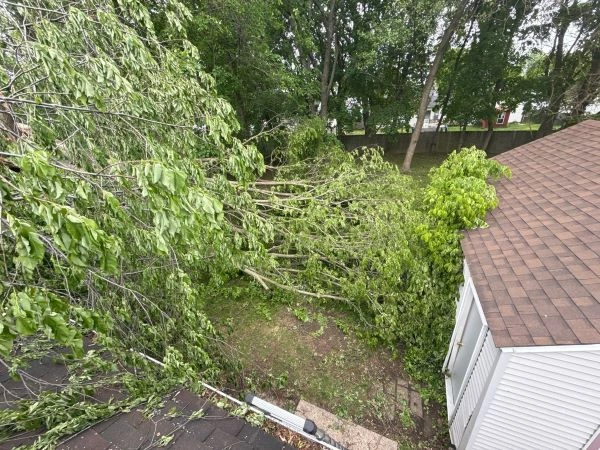
- Fallen trees or branches that pierce or collapse part of the roof
- Structural sagging or partial collapse of the roof or ceiling
- Fire damage that has weakened rafters, decking, or support structures
If the damage is causing rapid water intrusion, threatens structural stability, or is exposing your interior directly to the elements, you are dealing with a genuine roof emergency, not just a minor roof maintenance issue.
First Priority: Safety Before Repairs
Before you think about tarps, buckets, or quick fixes, focus on safety. In any roof emergency, the single most important decision you make is where you stand and what you touch.
Follow these critical safety checks:
- Check for electrical hazards
- If water is near light fixtures, outlets, or appliances, turn off the power to that area at the breaker.
- Never stand in water while touching electrical devices.
- Watch for ceiling collapse
- If the ceiling is heavily bulging, sagging, or cracking, stay out of that room.
- A waterlogged ceiling can fail suddenly and cause serious injury.
- Avoid going onto a dangerous roof
- Do not climb onto the roof during heavy rain, lightning, high winds, or if the structure looks unstable.
- Walking on a wet or damaged roof is extremely risky, even for professionals.
The first step in what to do in a roof emergency is not to grab tools. It is to make sure you and your family are out of harm’s way.
Step-by-Step: Emergency Roof Leak Steps Inside The Home
Once you have handled immediate safety concerns, your next goal is to control the water inside the house. These emergency roof repair steps can greatly reduce damage to your belongings, floors, and walls.
1. Move And Protect Belongings
- Relocate furniture, electronics, rugs, and valuables away from the leak.
- Use plastic sheets, trash bags, or waterproof covers to protect items that cannot be moved easily.
- Elevate items on blocks or other objects if water is pooling on the floor.
2. Contain The Water
- Place buckets, pots, or large containers directly under active drips.
- Use old towels, rags, or mops around the containers to catch splashes.
- Empty the containers frequently so they do not overflow.
3. Relieve Water Buildup In The Ceiling (Only If Safe)
If a section of the ceiling is bulging with water but has not yet broken:
- Stand clear and evaluate carefully.
- If the area appears safe and structurally sound, you can gently poke a small hole in the center of the bulge using a screwdriver or nail to release water into a bucket below.
- This controlled release can prevent a sudden, explosive collapse.
If you see cracking, hear creaking, or are unsure, skip this step and stay out of the room until a professional arrives.
4. Dry What You Can
- Use fans and towels to begin drying wet surfaces.
- Open doors and windows if the weather allows to promote air flow.
- The sooner surfaces begin to dry, the lower the risk of mold growth and long-term damage.
These indoor actions do not repair the source of the leak, but they buy you time and limit the cost of repairs later.
Temporary Roof Leak Fix Options You Can Use Safely
Once the interior is as protected as possible and the weather has calmed, some homeowners can attempt a temporary roof leak fix. Remember that these methods are short-term solutions, not permanent repairs.
If at any point you feel unsafe, or if the roof looks unstable, stop immediately and wait for a professional.
1. Tarping The Roof
One of the most common temporary roof leak fix methods is using a tarp to cover the damaged section.
Basic approach:
- Choose a heavy-duty, waterproof tarp large enough to extend several feet beyond the damaged area in all directions.
- Smooth the tarp over the roof so that it overlaps the ridge line, not just the damaged slope, where possible.
- Secure the tarp with boards, furring strips, or battens screwed or nailed into the roof deck near the edges of the tarp, not just into loose shingles.
- Avoid using loose bricks, rocks, or cinder blocks to hold tarps in place. They can slide or become dangerous projectiles in high winds.
The goal is to create a water-shedding barrier that directs rain off the roof rather than into the opening.
2. Plastic Sheeting From The Inside
If it is too dangerous to access the roof, you may be able to use plastic sheeting inside the attic or upper room:
- Staple or tape thick plastic to rafters or framing above the leak area, creating a sloped surface that directs water into a container.
- Make sure the plastic slopes away from electrical fixtures and outlets.
- This does not stop the leak in the roofing layers, but it can help control where water ends up inside the house.
3. Roof Patch Products And Sealants
For small openings or minor flashing failures, you might use roofing patch materials as a temporary roof leak fix:
- Roofing cement or mastic
- Sealant compatible with roofing materials
- Self-adhesive flashing or patching tape
Only attempt this if:
- The weather is calm and the roof is dry.
- The damaged area is easy to access safely without standing near edges or on steep slopes.
Even then, treat these as short-term patches that must be inspected and replaced with a permanent repair by a roofing professional.
What Not To Do In A Roof Emergency
In the chaos of storms and leaks, homeowners often make mistakes that create more damage or serious safety risks.
Avoid these common errors:
- Do not climb on the roof during a storm
Wet surfaces, high winds, and poor visibility combine into a dangerous situation. - Do not ignore small leaks
A slow drip can signal serious damage under the shingles. Over time it can rot the roof deck, ruin insulation, and cause mold. - Do not perform major structural repairs yourself
Replacing trusses, correcting sagging, or dealing with large impact damage requires professional tools and expertise. - Do not cover vents or exhaust outlets incorrectly
Blocking these can cause moisture buildup, poor ventilation, and even carbon monoxide risks if tied to combustion appliances. - Do not sign contracts with storm chasers on the spot
High-pressure sales tactics, vague agreements, and no local reputation are red flags. Take time to verify credentials, reviews, and licenses.
Document Everything For Insurance
If the emergency is storm-related or involves sudden mechanical damage, there is a strong chance your homeowners insurance may help cover repairs. Good documentation helps you file a strong, well-supported claim.
Do the following:
1. Take Photos And Videos
- Photograph the exterior damage from the ground: missing shingles, torn flashing, fallen branches, or visible holes.
- Document the interior damage: wet ceilings, damaged walls, ruined furniture, and any standing water.
- Capture multiple angles and close-ups, including wide shots that show the location in the home.
2. Keep A Written Timeline
- Note the date and time you first noticed the leak or damage.
- Record major weather events that may have caused the issue.
- Jot down all steps you took: calling the roofer, placing tarps, moving belongings, and so on.
3. Save Receipts And Invoices
- Keep receipts for tarps, buckets, plastic sheeting, fans, and any materials you purchase in response to the emergency.
- Hold onto invoices from roofers, inspectors, or emergency services.
Presenting a complete, organized record to your insurance company will greatly streamline the claims process and may help maximize your coverage.
When To Call A Professional Roofer Immediately
Even if you are handy, most roof emergencies go beyond simple DIY fixes. In many cases, the safest and most cost-effective move is to contact a licensed roofing contractor as soon as possible.
Call a professional immediately if:
- There is structural damage, visible sagging, or partial collapse.
- A tree or large branch has hit the roof.
- You see widespread damage to shingles, flashing, or vents.
- Water is leaking in multiple areas of the home.
- The roof is too steep or too high to work on safely.
When you call, be prepared to share:
- The type of roofing material you have
- Where you see leaks or visible damage
- Any immediate safety concerns like sparks, heavy sagging, or strong odors
- Photos or videos if you can send them
Good roofing companies often offer emergency roofing services where they quickly perform stabilizing work such as tarping, bracing, or sealing, followed later by permanent repairs.
How Professional Roofers Handle Emergency Repairs
Understanding what will happen when the roofing crew arrives can reduce stress and help you prepare.
Typically, a professional team will:
- Perform a safety and damage assessment
- Check the exterior, attic, and interior for structural issues.
- Identify all visible entry points for water.
- Stabilize the situation
- Install tarps, temporary supports, or emergency flashing.
- Remove dangerous debris if safe to do so.
- Plan permanent repairs
- Determine whether you need partial replacement, full replacement, or targeted repairs.
- Provide a written estimate detailing materials, labor, and timelines.
- Coordinate with insurance
- Some roofing contractors can help you interface with the insurance adjuster, providing documentation and expert opinions.
A responsible roofer concentrates first on stopping ongoing damage, then on restoring your roof to a durable, code-compliant condition.
How Professional Roofers Handle Emergency Repairs
Understanding what will happen when the roofing crew arrives can reduce stress and help you prepare.
Typically, a professional team will:
- Perform a safety and damage assessment
- Check the exterior, attic, and interior for structural issues.
- Identify all visible entry points for water.
- Stabilize the situation
- Install tarps, temporary supports, or emergency flashing.
- Remove dangerous debris if safe to do so.
- Plan permanent repairs
- Determine whether you need partial replacement, full replacement, or targeted repairs.
- Provide a written estimate detailing materials, labor, and timelines.
- Coordinate with insurance
- Some roofing contractors can help you interface with the insurance adjuster, providing documentation and expert opinions.
A responsible roofer concentrates first on stopping ongoing damage, then on restoring your roof to a durable, code-compliant condition.
Preparing Your Home Before The Next Roof Emergency
The best strategy for roof emergencies is to minimize their odds and reduce potential damage before they occur. Even though storms and accidents cannot be fully prevented, you can significantly improve your home’s resilience.
1. Schedule Regular Roof Inspections
- Have your roof professionally inspected at least once a year and after major storms.
- Early detection of loose shingles, cracked flashing, or failing sealant is far cheaper than emergency repair.
2. Maintain Gutters And Downspouts
- Clean gutters regularly to prevent clogs.
- Ensure downspouts direct water away from your foundation.
- Poor drainage can force water under shingles or cause ice dams in cold climates.
3. Trim Overhanging Trees
- Remove dead branches and trim limbs that hang directly over the roof.
- Healthy, well-maintained trees are less likely to break and fall during storms.
4. Create An Emergency Roof Kit
Keep a roof emergency kit in an easily accessible place, stocked with:
- Heavy-duty plastic tarps
- Thick plastic sheeting or contractor bags
- Roofing nails or screws and furring strips
- A utility knife and basic tool set
- Buckets and absorbent towels
- Flashlights with fresh batteries
Paired with a clear plan that includes emergency roof leak steps, this kit helps you respond faster and more calmly when something happens.
5. Know Your Insurance And Contacts
- Review your homeowner’s insurance policy so you know what is covered and what deductibles apply.
- Save the contact information for your trusted local roofer, your insurance company, and any emergency numbers in your phone and in a visible spot at home.
FAQs About Emergency Roof Repair
1. How quickly should I call for emergency roof repair after damage?
You should call immediately. Even minor leaks can escalate into major structural problems within hours. Fast response prevents water damage, mold growth, and interior deterioration.
2. Can I temporarily fix roof leaks on my own?
Yes, you can use roofing cement or a tarp for short-term relief. However, these are only temporary solutions. Professional repairs are necessary to ensure your roof’s long-term safety.
3. Will my insurance cover emergency roof repairs?
Most insurance policies cover storm, fire, and accidental damage. Proper documentation and immediate reporting increase the likelihood of successful claims.
4. How much do urgent roof repairs cost?
Costs vary depending on the extent of damage. Minor shingle replacements may be inexpensive, while structural repairs or replacements require more investment. A professional inspection provides accurate estimates.
5. How can I prevent roof emergencies in the future?
Regular inspections, gutter cleaning, trimming trees, and addressing minor issues promptly are the best prevention methods. Regular preventive maintenance helps minimize the chances of expensive emergency repairs.
Your Calm, Clear Plan For The Next Roof Emergency
When your ceiling starts dripping or a storm batters your home, it’s easy to feel powerless. But having a simple, organized plan can make all the difference. Start with safety, then follow practical emergency roof leak steps: protect people, move valuables, contain the water, document the damage, and arrange a temporary roof leak fix until a professional can complete permanent repairs. If you need fast, dependable help with roofing company in Kalamazoo, a reliable partner like Worthy Construction can guide you through the process, protect your property, and restore your home as quickly and safely as possible.






Trustindex verifies that the original source of the review is Google. Khari and his team are incredible. From communication, to competitive pricing on work, Worthy Construction has it covered. I’m loving my brand new windows, and my friends love their new roof! Thank you Worthy ConstructionTrustindex verifies that the original source of the review is Google. Khari was very easy to work with, taking care of my house in a hurry with an active leak. Thanks for a job well done at a great price!Trustindex verifies that the original source of the review is Google. Top notch customer service!! Khari is the best.Trustindex verifies that the original source of the review is Google. Worthy Construction fought and won against my insurance company to get my roof replaced after the tornado and high winds of 2024. The absolute professionalism was impeccable along with the crew and the time it took. I highly recommended Worthy Construction, they are high skilled at what they doTrustindex verifies that the original source of the review is Google. Khari, Worthy construction , and all their employees are the most friendly construction crew we have worked with. After our initial project with our roof and gutters, we couldn’t wait to have his team replace our siding. Worthy Construction was fair, prompt, knowledgeable, efficient, clean and professional. We are very pleased we chose Worthy Construction for our project! Thank you Khari and team.Trustindex verifies that the original source of the review is Google. Khari came on time to inspect and give an estimate. I received the estimate in a timely fashion. It was reasonable. He is very personable and easy to reach. I have had him out for a couple of different things. This company is amazing. His sign is up all over my neighborhood. Thank you!!!!Trustindex verifies that the original source of the review is Google. I used worthy construction very recently when I came home from work and found water damage inside. A neighbor reached out saying how great Mr. Worthy was. I reached out to him and he was able to come over that day and give me an estimate. I went through with his services and the communication was great. I enjoyed the picture evidence of their work along the way and the explanations. There was a break in between all of the winter storms and Mr.Worthy and his team were able to get it done as quick as possible. They were also able to repair the inside ceiling and paint for me. I really appreciated everything they did for me. Everything looks great and would use them again as well as recommend them in a heart beat. Mr. Worthy and his team are top notch.Trustindex verifies that the original source of the review is Google. We are so grateful for the great communication and the prompt, excellent service we received. This company truly cares and we are especially grateful for their support of our military veterans!Trustindex verifies that the original source of the review is Google. Highest praise for all of Worthy Construction. Fantastic service, advice and attention. Full roof installation plus gutters. They kept us informed about everything happening and were done on time. Efficient, quality, professional work. Highly recommended.