
Icicles on Your Roof: Harmless or a Warning Sign?
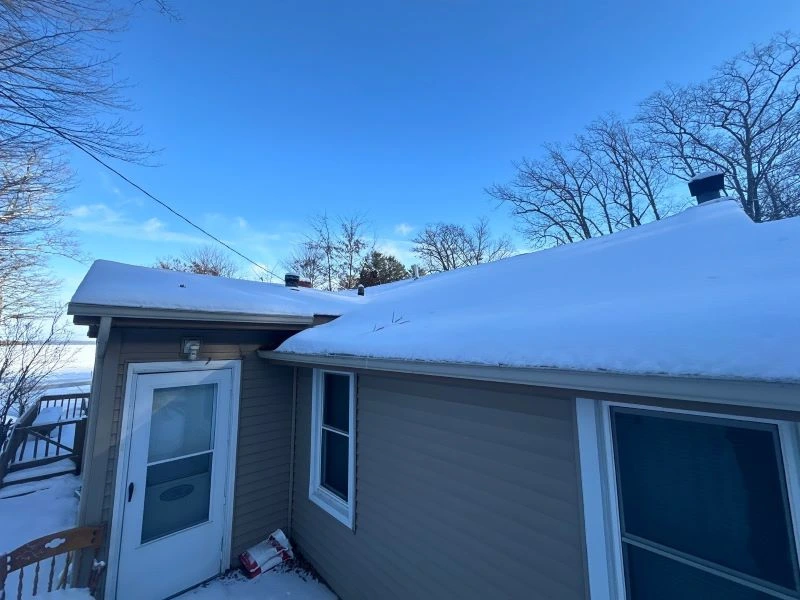
When winter hits, many homes suddenly look like something from a postcard. Snow on the roof, smoke from the chimney, and long shining icicles hanging along the edges of the house.
But if you are wondering about icicles on roof meaning, you are already asking the right question. At Worthy Construction, we help homeowners understand what those icicles are really telling them about their roof, insulation, and attic ventilation.
Are they simply pretty winter decorations, or are those icicles hanging from eaves and those large icicles on gutters trying to tell you that something is wrong with your roof, insulation, or attic ventilation?
In this guide, you will learn exactly:
- What icicles really mean
- When they are normal and when they signal trouble
- How icicles are connected to ice dams and roof leaks
- What you should do right now if your home has them
- Long term fixes that protect your roof, your energy bills, and your home
By the end, you will know whether the icicles on your home are safe to ignore or a clear warning sign that it is time to take action.
What Do Icicles On Your Roof Actually Mean?
Icicles form when three things happen at the same time:
- You have snow on your roof
- Part of that snow melts
- The melted water runs to a cold edge and refreezes as it drips
On most homes in cold climates, that combination will happen at least a few times each winter. The key is to understand why the snow is melting in the first place.
There are two main scenarios.
Scenario 1: Sun Melt Only
On a cold but sunny day, the sun beats down on your roof. The dark shingles warm up, the snow starts to melt a little, and the meltwater runs to the coldest edges of the roof and freezes again. That can create small icicles hanging from eaves or gutters.
In this case, the melt is primarily from solar gain, not from heat escaping your home. These icicles are often:
- Short
- Scattered
- Only present on the sunny side of the roof
This situation can be close to normal, especially if:
- You do not see water stains inside
- The icicles are small
- They come and go quickly
Scenario 2: Heat Loss From The House
The more serious scenario is when heat from inside your home escapes into the attic, warms the roof from underneath, and melts the snow sitting on top. That water runs down to the cold roof edges and freezes, forming large icicles on gutters and along the eaves.
This is a warning sign that:
- Your attic insulation is inadequate
- Your attic has air leaks that allow warm indoor air to escape
- Your attic ventilation may be unbalanced or blocked
In this case, the icicles are not harmless. They are visual evidence that your roof and attic are not performing the way they should, and they are often the first step toward ice dams, roof leaks, and interior damage.
Normal Icicles Versus Problem Icicles: How To Tell The Difference
It is impossible to prevent every tiny icicle from ever forming on a roof in a cold climate. The real question is which icicles you should worry about.
Use this simple comparison.
Normal, Low Risk Icicles
You are probably looking at relatively normal icicle formation if:
- They are small and thin
- They appear only during sunny afternoons and vanish after temperatures change
- They are scattered, not forming solid walls or ridges
- You do not see any ice ridges or thick ice build up at the roof edge
- You do not have any interior symptoms like water stains or peeling paint
You should still keep an eye on them, but they are not necessarily a sign of a major building performance problem.
Warning Sign Icicles
Your icicles are more likely to be a red flag if:
- You see very large icicles on gutters that keep growing over days or weeks
- There are thick icicles hanging from eaves all around the house
- You notice thick bands of ice along the bottom of the roof
- Snow seems to melt high on the roof but stays at the lower edge
- You have water stains or brown spots on ceilings, especially near exterior walls
- The upper floor of your home feels stuffy and warm, while the lower floor is cooler
Those signs strongly suggest that heat is leaking into the attic and creating conditions for ice dams.
Large icicles are not just a cosmetic issue. They are often the visible part of a much bigger problem.
Why Large Icicles On Gutters Are A Symptom Of Heat Loss
When you see large icicles on gutters, you are usually seeing the result of a simple chain reaction.
- Warm air from your house escapes into the attic through gaps and cracks
- That warm air heats the underside of the roof
- Snow on the warmed part of the roof melts
- Meltwater runs down to the lower, colder part of the roof edge
- The water refreezes at the edge, forming ice and icicles
Over time, that can turn into a rim of ice along the roof edge. Behind that rim, water can pool and get pushed back up under your shingles. That is an ice dam.
This is why icicles on roof meaning is not just about winter aesthetics. It often means:
- Your heated air is escaping instead of staying in your living space
- You are paying higher energy bills than you need to
- Your roof is being exposed to cycles of melt and refreeze that shorten its life
- Your home is at risk of leaks and hidden water damage
If you have ever been told that your home is “losing heat through the roof”, big icicles are one of the most visible symptoms of that issue.
Risks Of Ignoring Icicles On Your Roof
It can be tempting to think “it is just winter” and ignore those icicles, especially if you have not seen water inside yet. That is risky.
Here is what can happen if you let problem icicles and ice dams stick around.
Roof Leaks And Interior Damage
As ice builds up at the roof edge, it traps water behind it. Shingles are designed to shed water that flows downward. They are not designed to hold back standing water that is pushed upward by ice pressure.
That backed up water can:
- Work its way under shingles
- Soak the roof deck
- Find tiny penetrations and nail holes
- Eventually drip into the attic and then down into your ceilings and walls
You may first notice:
- Brown stains on ceilings, especially near exterior walls
- Peeling or bubbling paint
- Soft or sagging drywall
By the time you see these signs, water has already made it through your roofing layers.
Gutter And Fascia Damage
Large icicles on gutters are heavy. That weight, combined with ice sitting inside the gutter, can:
- Pull gutters away from the fascia
- Bend or distort gutter hangers
- Crack seams and joints
- Damage fascia boards and trim
Once gutters are damaged, water will not drain correctly in future storms, which can lead to even more problems.
Attic Moisture, Mold, And Rot
Even if water does not yet reach your interior ceilings, it can soak the attic:
- Wet insulation loses much of its effectiveness
- Repeated wetting and drying can lead to mold growth
- The roof deck and rafters can weaken over time
What starts as a “pretty icicle problem” can quietly become a structural problem if it is ignored winter after winter.
Safety Hazards From Falling Icicles
Do not forget the obvious danger. Large icicles can:
- Break off suddenly
- Injure people walking below
- Damage decks, railings, and landscaping
Your home should not be a winter hazard zone.
Safe Ways To Deal With Existing Icicles
The first instinct many homeowners have is to grab a shovel, a hammer, or some other tool and start knocking icicles down. That can easily cause more damage than it prevents.
Here are some do and do not guidelines.
What Not To Do
Avoid the following at all costs:
- Do not climb onto a snowy, icy roof to chip away ice
- Do not hit gutters from below with a shovel or hammer, which can bend and crack them
- Do not sprinkle large amounts of rock salt on the roof, which can damage shingles and metal surfaces
- Do not stand directly beneath large icicles while striking them
These actions can:
- Void roof warranties
- Damage shingles and gutters
- Put you at serious risk of injury
Safer Short Term Options
If icicles are directly over walkways or doors and you are concerned about safety, you can:
- Carefully knock down smaller icicles from the ground using a long pole, standing well back from the drop zone
- Temporarily rope off or block areas where large icicles could fall
- Use sand or ice melt on the ground to improve footing near danger zones
For heavy ice build up and thick ridges along the roof edge, the safest option is often to hire qualified professionals who use the right tools and methods.
Long Term Solutions To Prevent Problem Icicles
Short term removal does nothing to address the underlying cause. If you want to prevent problem icicles and ice dams from forming each winter, you need to fix the building science issues that are driving them.
In most homes, that means three main upgrades working together.
1. Air Sealing The Attic
Warm indoor air escapes into the attic through:
- Gaps around recessed lights
- Openings around bathroom fans and plumbing stacks
- Cracks at the top of walls
- Gaps around the attic hatch or pull down stairs
This warm air carries moisture and heat. Sealing those leaks is one of the most powerful ways to prevent icicles hanging from eaves and the ice dams that go with them.
A professional crew will:
- Locate major air leaks
- Seal them with foam, caulk, or appropriate materials
- Ensure that any combustion appliances are properly vented and safe
2. Upgrading Attic Insulation
Even with perfect air sealing, your attic needs enough insulation to keep heat where it belongs, inside your living space.
If your home is older, your attic may have:
- Thin or uneven layers of insulation
- Compressed or dirty insulation that does not perform well
- Gaps and voids around joists and edges
Adding blown in fiberglass or blown in cellulose over a properly air sealed attic floor can:
- Reduce heat loss into the attic
- Keep the roof deck colder in winter
- Lower your energy bills
- Make your home more comfortable, especially on the upper floor
3. Balancing Attic Ventilation
The job of attic ventilation is to:
- Let cold, dry air in at the eaves
- Let warm, moist air out at the ridge or roof vents
Balanced ventilation helps keep the roof deck a more even temperature, which reduces the opportunity for melt and refreeze at the roof edges.
Common fixes include:
- Making sure soffit vents are not blocked by insulation
- Adding or correcting baffles to maintain an air channel from soffits to roof vents
- Ensuring there are enough exhaust vents near the ridge
When air sealing, attic insulation, and ventilation all work together, your chances of seeing serious icicle and ice dam problems drop dramatically.
Heat Cables: Are They A Good Solution For Icicles?
Many homeowners ask about roof heating cables or “heat tape” as a way to control ice and icicles.
Heat cables can:
- Create melt channels in specific problem areas
- Help reduce the size of ice dams in some situations
However, they have important limitations:
- They do not fix the root cause: heat loss and poor attic performance
- They use electricity, adding to your energy bill
- If installed incorrectly, they can be ineffective or even risky
In general, heat cables may be used as a supplemental measure in very stubborn spots, but they should not replace proper air sealing, insulation, and ventilation improvements.
How A Professional Diagnoses Icicle And Ice Dam Problems
If you are seeing worrying icicles on roof, the smartest move is to get a professional evaluation. A good roofing or home performance contractor will not just glance at the outside. They will look at the house as a system.
A thorough visit often includes:
Exterior Roof And Gutter Inspection
- Checking for thick ice ridges along the roof edge
- Looking at the pattern of snow melt on the roof
- Inspecting gutters and downspouts for damage, improper pitch, or clogs
- Checking for exposed nails, missing shingles, or visible roof damage
Attic Inspection
- Measuring insulation depth and estimating R value
- Checking for voids, gaps, and areas where insulation is missing or thin
- Looking for air leakage points, especially around lights, fans, and chimneys
- Checking for frost, moisture, or mold on the roof deck
- Examining the soffit and ridge vents to ensure air can flow freely
Interior Checks
- Looking for water stains, peeling paint, or warped trim
- Noting areas that feel colder or drafty
Based on what they find, the contractor can give you a prioritized plan. In many homes, a single project that combines air sealing and insulation upgrades can dramatically reduce icicles, ice dams, and heat loss.
When To Call For Help About Icicles On Your Roof
You should definitely reach out to a professional if:
- Your icicles hanging from eaves are very large or persistent
- You see bands of ice along the edge of the roof
- You notice new water stains on ceilings or walls after a snowstorm
- Your gutters look bent, pulled away, or overloaded with ice
- The upper floor of your home is much warmer than the lower floor in winter
Waiting rarely makes things better. In many cases, the next storm or the next thaw is when hidden damage shows up.
A reputable contractor can:
- Help you with safe removal of existing ice when needed
- Inspect your attic and roof
- Provide a clear written plan and estimate for permanent fixes
- Coordinate insulation services and roofing services if both are needed
Frequently Asked Questions About Icicles On Roofs And Gutters
1. Are icicles on my roof always a sign of an ice dam?
Not always. Small icicles can form from sun melting snow and refreezing at the edges, even on well insulated roofs. However, large icicles on gutters, thick ice ridges at the roof edge, or icicles combined with interior leaks are strong indicators that ice dams are forming or will form.
2. Can large icicles damage my gutters or roof?
Yes. Large, heavy icicles put significant weight on your gutters and fascia boards. Over time they can bend gutters, pull them away from the house, and damage fasteners. Ice that forms on the roof itself can also lift shingles and allow water to sneak underneath.
3. Is it safe to knock down icicles myself?
Knocking down small icicles with a long pole from a safe distance is usually acceptable. However, you should never climb on a snowy or icy roof and you should not strike gutters forcefully from below. The risk of injury and damage is high. For significant ice buildup, calling a professional is the safer choice.
4. If I have icicles, does that mean I need a new roof?
Not necessarily. In many homes, the main problem is not the shingles, but the attic insulation, air sealing, and ventilation. A good contractor will investigate all of these before recommending a full roof replacement. Sometimes a new roof is appropriate, but often, improving the attic solves the underlying issue.
5. Will fixing my attic really reduce icicles and ice dams?
In most cases, yes. When you reduce heat loss into the attic and keep the roof deck colder and more consistent in temperature, you cut down on the uneven melting that leads to icicles and ice dams. Many homeowners see a visible difference the very next winter after upgrading their attic.
Ready To Stop Icicles And Protect Your Home?
If your home has icicles on the roof, icicles hanging from eaves, or large icicles on gutters, do not assume they are just part of winter. They are often your home’s way of warning you that something is wrong above your ceiling.
With the right inspection, the right upgrades, and the right team at Worthy Construction, you can turn your home from an ice factory into a warm, efficient, and well protected place to spend every winter. Reach out today to schedule a professional roof and attic evaluation so you can enjoy peace of mind before the next snowfall.






Trustindex verifies that the original source of the review is Google. They did a great job and were a good price especially for the quality of work they did. I tried multiple quotes and they fit the bill perfectly. Thank you again got it done quick and looks great I would recommend!Trustindex verifies that the original source of the review is Google. I recently had my roof and gutters replaced by Worthy. The owner, Khari came out to do the quote and was very professional and not at all pushy. The price I paid was comparable to other quotes I had gotten but the quality of the shingles was better (they use Malarkey). Would for sure recommend this company for roof or gutters.Trustindex verifies that the original source of the review is Google. Five stars for quality service on all 4 jobs! Worthy replaced my roof, Gutters this spring Did the flashing on my deck last year And repaired the water damaged ceiling in my garage recently, so it all looks perfect again. Cost was affordable. Questions always answered in a friendly, caring matter. (And we had many questions) I highly recommend this company!Trustindex verifies that the original source of the review is Google. Khari and his team are incredible. From communication, to competitive pricing on work, Worthy Construction has it covered. I’m loving my brand new windows, and my friends love their new roof! Thank you Worthy ConstructionTrustindex verifies that the original source of the review is Google. Khari was very easy to work with, taking care of my house in a hurry with an active leak. Thanks for a job well done at a great price!Trustindex verifies that the original source of the review is Google. Top notch customer service!! Khari is the best.Trustindex verifies that the original source of the review is Google. Worthy Construction fought and won against my insurance company to get my roof replaced after the tornado and high winds of 2024. The absolute professionalism was impeccable along with the crew and the time it took. I highly recommended Worthy Construction, they are high skilled at what they doTrustindex verifies that the original source of the review is Google. Khari, Worthy construction , and all their employees are the most friendly construction crew we have worked with. After our initial project with our roof and gutters, we couldn’t wait to have his team replace our siding. Worthy Construction was fair, prompt, knowledgeable, efficient, clean and professional. We are very pleased we chose Worthy Construction for our project! Thank you Khari and team.Trustindex verifies that the original source of the review is Google. Khari came on time to inspect and give an estimate. I received the estimate in a timely fashion. It was reasonable. He is very personable and easy to reach. I have had him out for a couple of different things. This company is amazing. His sign is up all over my neighborhood. Thank you!!!!