
Why Your Gutters Freeze Every Winter
Every winter, homeowners are surprised by the same frustration: frozen gutters that stop draining, overflow onto walkways, and build heavy ridges of ice along the roofline. At Worthy Construction, we see this pattern repeat because gutter freezing is rarely caused by “cold weather” alone. It happens when meltwater is created, slowed down, and then refreezes in the most vulnerable parts of the drainage system, usually the gutters and downspouts.
How Gutters Freeze: The Winter Physics Behind the Problem
- Heat escaping through the roof melts snow unevenly
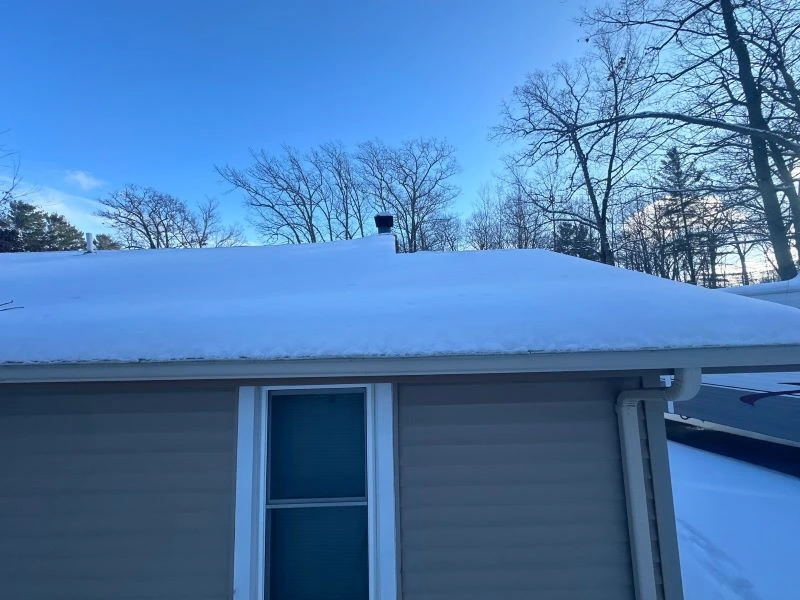
When attic heat leaks upward, it warms sections of the roof deck. Snow above those warm spots melts, runs toward colder eaves, and refreezes as it reaches the gutter. This “melt and refreeze” pattern is the classic trigger for gutters icing up. The gutter itself is outside the home’s thermal envelope, so it cools fast. Without addressing heat loss, the gutter becomes the freezing point where roof meltwater turns into a growing ice mass. - Clogged gutters trap water and accelerate freezing
Leaves, needles, granules from shingles, and small debris reduce flow and hold water in place. Even a thin layer of sludge can slow drainage enough that water sits longer, giving it time to freeze. Once ice forms around debris, the blockage hardens and expands, and additional meltwater stacks on top. Many homeowners blame weather, but the real culprit behind recurring frozen gutters is restricted flow caused by debris that should have been removed before winter. - Downspouts freeze first and back up the entire gutter run
A gutter can be clean and still freeze if the downspout is partially blocked or positioned where it stays coldest. Downspouts are narrow, vertical, and exposed on multiple sides, so ice forms quickly inside them. When the downspout constricts, water backs up into the gutter, spreads across the bottom, and freezes from the outlet backward. This is one of the most common reasons winter gutter problems appear suddenly after a single cold night. - Improper gutter pitch leaves standing water behind
Gutters must have a slight slope toward the downspout. If the pitch is too flat, sections hold water like a shallow trough. Standing water freezes faster than moving water, and the ice can form a continuous base layer that catches more meltwater. Over time, this causes frozen gutters even if the system is otherwise intact. A minor leveling adjustment can prevent repeat icing by keeping water moving toward the outlet instead of pooling in low spots. - Short or buried discharge routes create hidden freeze points
When a downspout discharges too close to the foundation, into a short extension, or into a buried drain that holds water, the exit path becomes a freeze point. Water can freeze at the discharge, block the outlet, and cause a backup into the downspout and gutter. These freezes are often overlooked because the blockage is near ground level or underground. The result is the same: gutters icing up from the bottom of the system upward. - North-facing shade keeps gutters cold all day
Gutters on shaded elevations stay below freezing longer, even when the air warms briefly. That means meltwater that might drain on a sunny side instead refreezes on the shaded side. If your home has valleys or roof sections that feed shaded gutters, you can see localized ice buildup. This “one side freezes, one side flows” pattern is a strong indicator that sun exposure and roof meltwater routing are driving the winter gutter problems. - Roof valleys and concentrated runoff overwhelm cold gutters
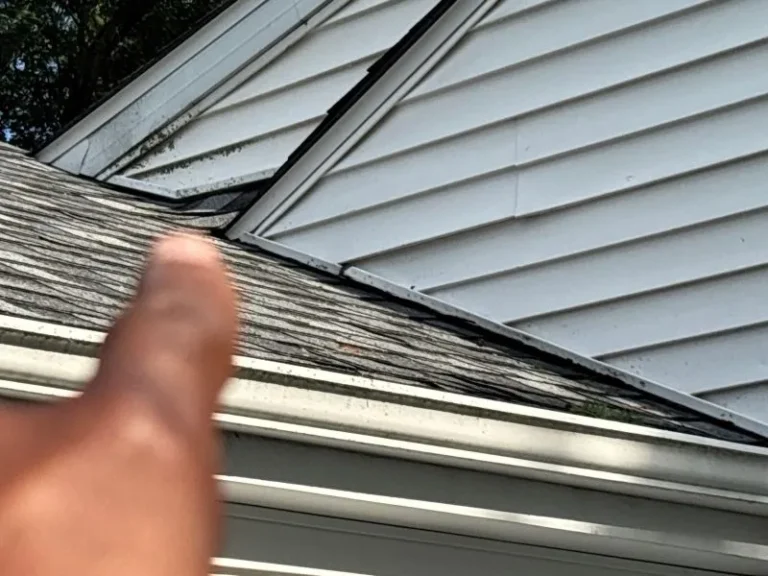
Valleys collect large volumes of meltwater and funnel it to a small section of gutter. When that heavy flow hits a gutter that is already near freezing, the surge can refreeze rapidly, especially at the downspout outlet. This produces thick ice near valley drop zones and creates repeated frozen gutters in the same locations year after year. The concentration of runoff is the key issue, not the length of the gutter. - Gutter damage or misalignment creates slow-drain pockets
Sagging hangers, separated seams, warped sections, or poorly placed spikes can create dips where water collects. Minor deformation is enough to cause persistent puddling that freezes early. Ice adds weight, which worsens sagging, which holds more water, which forms more ice. This feedback loop turns small defects into major winter gutter problems quickly. If you see recurring ice at the same spot, structural alignment is often the root cause.
Why Frozen Gutters Turn Into Bigger Winter Gutter Problems
When frozen gutters stop functioning, water has to go somewhere. It often spills over the gutter edge, runs behind the gutter, or backs up onto the roof. That overflow can soak fascia boards, stain soffits, and push water toward the home’s exterior walls. The weight of ice can also distort gutter sections, pull fasteners loose, and separate seams, leaving permanent leaks that show up in spring.
Even more concerning, gutter ice contributes to ice dams. When meltwater cannot drain, it can pool at the roof edge and refreeze, forming a ridge that traps additional water behind it. That trapped water can work under shingles and enter the roof assembly, creating interior stains, damp insulation, and compromised roof decking. On the ground, gutter overflow can freeze on sidewalks and driveways, creating slip hazards and damaging concrete surfaces with repeated freeze-thaw cycles.
Warning Signs Your Gutters Are About to Freeze
Watch for these early clues that gutters icing up is about to become a repeat event:
- Icicles forming directly from the gutter seam or downspout outlet, signaling trapped water.
- Water dripping behind the gutter, indicating a backup or overflow.
- A bulging or bowed gutter line, often caused by ice weight or pooling water.
- Large icicles at roof valleys, pointing to concentrated runoff feeding a cold gutter.
- Patchy roof snow melt, suggesting attic heat loss and future refreeze at the eaves.
Catching these signs early helps prevent the most expensive winter gutter problems.
A Practical Winter Gutter Inspection Checklist
A quick inspection before deep cold sets in can reduce the chances of frozen gutters:
- Check the gutter interior: remove leaves, needles, and sediment. Look for dark sludge that holds water.
- Confirm the slope: water should move steadily toward the downspout, not sit in low sections.
- Inspect seams and end caps: gaps and leaks create wet fascia and can form ice at joints.
- Test the downspouts: run water through each one to confirm full flow. Slow drainage often means partial blockage.
- Look at discharge: confirm water exits well away from the foundation and does not freeze at the outlet.
- Evaluate roof runoff points: valleys and steep sections that dump heavy flow may need reinforcement or a different outlet plan.
- Scan for sagging: weak hangers, loose spikes, and warped sections create pooling that freezes quickly.
Prevention Strategies That Work Before the First Deep Freeze
Clean gutters and downspouts to restore full flow
The simplest fix for many winter gutter problems is a complete cleaning. Full flow reduces water dwell time, which reduces freezing. We prioritize removing fine sediment because it holds water like a sponge. A gutter can look “mostly clean” and still freeze because wet debris stays behind and becomes the first ice layer.
Improve drainage away from the home
Downspout extensions should direct water away so it does not freeze at the foundation edge. Where buried drains exist, we confirm they drain freely and do not hold water. A frozen discharge outlet is a common trigger for gutters icing up because it blocks the entire system from the bottom.
Correct pitch and secure alignment
A properly sloped gutter discourages standing water. Reinforcing hangers and correcting sagging reduces puddles that freeze early. When alignment is stable, ice is less likely to build into heavy ridges that deform the gutter system.
Reduce roof meltwater at the source
If roof snow is melting unevenly, improving attic insulation, sealing air leaks, and supporting balanced ventilation can reduce the amount of meltwater reaching the gutter. Less meltwater means fewer freeze events and fewer opportunities for frozen gutters to form.
What To Do When Gutters Are Already Frozen
When gutters icing up has already occurred, the goal is to restore drainage without damaging the gutter, roof edge, or fascia.
- Avoid forceful chipping with metal tools. It can puncture aluminum, crack seams, and damage shingles at the roof edge.
- Clear safe access paths first. Overflow often creates ice sheets on the ground that are more dangerous than the gutter ice itself.
- Open the downspout outlet if it is blocked by an ice plug. Restoring an exit path can allow partial melting to drain instead of refreezing in place.
- Use controlled melting methods where appropriate, focusing on creating a drainage channel rather than trying to remove all ice at once.
- Address the cause immediately afterward. If the system refreezes the next night, the underlying drainage restriction or roof meltwater pattern has not been corrected.
Long-Term Upgrades That Reduce Frozen Gutters for Good
Right-size gutters and downspouts for your roof
If your roof area and valley concentration exceed what your system can carry, water backs up and freezes. Larger downspouts or additional outlets can reduce bottlenecks that lead to frozen gutters.
Install high-quality gutter protection where it truly helps
Gutter guards can reduce debris entry, but it must be selected and installed to match roof runoff behavior. Poorly chosen guards can trap fine debris or create cold edges where ice builds. When done correctly, protection reduces clogs that trigger winter gutter problems.
Strengthen the gutter line to handle winter load
Heavier-duty hangers and reinforced attachment points help gutters resist distortion when snow and ice loads increase. A stable gutter line drains more consistently, which reduces the standing water that leads to gutters icing up.
Target roof-edge temperature control
Where repeated ice forms at the same roof edge, solutions may include improving insulation and ventilation balance, air sealing around attic penetrations, and carefully planning controlled heat at critical drainage points when necessary. The aim is consistent roof temperature so meltwater is minimized and refreeze zones shrink.
Seasonal Maintenance Plan to Prevent Winter Gutter Problems
- Early fall: clean gutters fully, flush downspouts, and verify discharge routes. Repair seams and end caps so leaks do not create ice at joints.
- Late fall: recheck after leaf drop. Confirm hangers are tight and the gutter pitch is consistent.
- Early winter: inspect after the first snow. Identify where icicles start forming to pinpoint your refreeze zones.
- Midwinter: monitor downspouts during thaw-freeze cycles. Downspouts often freeze before gutters show obvious symptoms.
- Spring: inspect for distortion, separated seams, and fascia staining. Correcting winter damage early prevents year-round drainage issues.
Frequently Asked Questions About Frozen Gutters
Why do we get frozen gutters even when the gutters are clean?
Clean gutters help, but frozen gutters can still occur when meltwater is created on the roof and refreezes at cold eaves. Heat loss through the attic, shaded elevations, and concentrated runoff from roof valleys can generate more meltwater than the gutter can drain before temperatures drop. If downspouts freeze or the gutter pitch is slightly off, water lingers long enough to freeze even in a debris-free system.
Are icicles always a sign of gutters icing up?
Icicles are a strong clue, but their location matters. Icicles hanging from the gutter seam or downspout outlet often indicate trapped water and gutters icing up. Icicles forming along the roof edge can also point to roof meltwater refreezing at the eaves, which may lead to ice dams. Consistent icicles in the same spot usually mean a repeatable drainage or insulation issue.
Can frozen gutters damage the roof or the home’s exterior?
Yes. The weight of ice can pull gutters loose, bend sections, and separate seams, leading to chronic leaks. Overflow from winter gutter problems can soak fascia and soffits, stain siding, and increase the risk of moisture intrusion at roof edges. When ice contributes to dams, water can back up under shingles and reach roof decking or attic insulation, creating costly repairs.
What is the fastest safe way to reduce gutters icing up during a freeze-thaw week?
The most effective approach is restoring drainage. If the downspout outlet is blocked by ice, opening that exit can reduce backups that spread freezing into the gutter. Clearing ground-level discharge, removing visible clogs, and creating a limited drainage channel can prevent repeated refreezing. Avoid aggressive chipping that damages gutters. The priority is a path for meltwater to leave the system before it refreezes.
Which long-term fix usually makes the biggest difference for winter gutter problems?
The biggest improvement often comes from reducing roof meltwater at the source and removing drainage bottlenecks. That means better attic air sealing, improved insulation coverage, balanced ventilation, correct gutter pitch, and downspouts that do not freeze or restrict flow. When these factors work together, gutters icing up becomes far less frequent because less water reaches the gutter, and the water that does arrive drains quickly.
Conclusion: Stop the Freeze-Refreeze Cycle at Its Source
When we repeatedly see frozen gutters, the pattern is consistent: meltwater is being produced, slowed down, and refrozen in predictable locations. By cleaning for full flow, correcting pitch and alignment, improving discharge, and reducing roof-edge meltwater, we can prevent most winter gutter problems before they start. If the same areas freeze every year, targeted fixes will outperform temporary fixes. When you are ready to solve the root cause and protect your roofline and exterior, we can help with gutter services and gutter cleaning at Worthy Construction.






Trustindex verifies that the original source of the review is Google. Khari and his team are incredible. From communication, to competitive pricing on work, Worthy Construction has it covered. I’m loving my brand new windows, and my friends love their new roof! Thank you Worthy ConstructionTrustindex verifies that the original source of the review is Google. Khari was very easy to work with, taking care of my house in a hurry with an active leak. Thanks for a job well done at a great price!Trustindex verifies that the original source of the review is Google. Top notch customer service!! Khari is the best.Trustindex verifies that the original source of the review is Google. Worthy Construction fought and won against my insurance company to get my roof replaced after the tornado and high winds of 2024. The absolute professionalism was impeccable along with the crew and the time it took. I highly recommended Worthy Construction, they are high skilled at what they doTrustindex verifies that the original source of the review is Google. Khari, Worthy construction , and all their employees are the most friendly construction crew we have worked with. After our initial project with our roof and gutters, we couldn’t wait to have his team replace our siding. Worthy Construction was fair, prompt, knowledgeable, efficient, clean and professional. We are very pleased we chose Worthy Construction for our project! Thank you Khari and team.Trustindex verifies that the original source of the review is Google. Khari came on time to inspect and give an estimate. I received the estimate in a timely fashion. It was reasonable. He is very personable and easy to reach. I have had him out for a couple of different things. This company is amazing. His sign is up all over my neighborhood. Thank you!!!!Trustindex verifies that the original source of the review is Google. I used worthy construction very recently when I came home from work and found water damage inside. A neighbor reached out saying how great Mr. Worthy was. I reached out to him and he was able to come over that day and give me an estimate. I went through with his services and the communication was great. I enjoyed the picture evidence of their work along the way and the explanations. There was a break in between all of the winter storms and Mr.Worthy and his team were able to get it done as quick as possible. They were also able to repair the inside ceiling and paint for me. I really appreciated everything they did for me. Everything looks great and would use them again as well as recommend them in a heart beat. Mr. Worthy and his team are top notch.Trustindex verifies that the original source of the review is Google. We are so grateful for the great communication and the prompt, excellent service we received. This company truly cares and we are especially grateful for their support of our military veterans!Trustindex verifies that the original source of the review is Google. Highest praise for all of Worthy Construction. Fantastic service, advice and attention. Full roof installation plus gutters. They kept us informed about everything happening and were done on time. Efficient, quality, professional work. Highly recommended.