
Tree Clearance from Roof: How Much Do You Need?
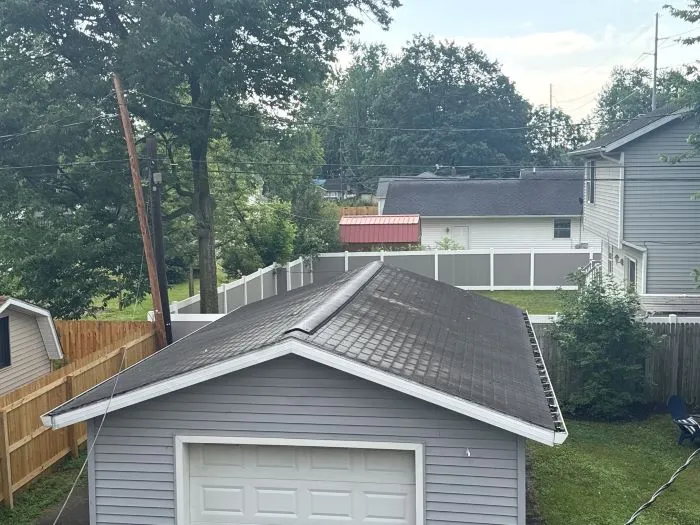
When trees lean toward a home, we gain shade, curb appeal, and privacy, but we also inherit real structural risk. At Worthy Construction, we help property owners evaluate overhead limbs before they become costly problems, because the right clearance is not guesswork. It is a practical balance between protecting shingles, limiting moisture buildup, discouraging pests, and preserving healthy trees.
Why Overhanging Branches Matter for Roof Performance
A roof is built to shed water, resist wind, and protect the structure beneath. Overhanging branches interfere with those goals in several ways. First, they drop debris that holds moisture against shingles and underlayment. Damp organic matter accelerates algae, moss, and rot on wood components. Second, branches move. Even small limbs can scrape granules off asphalt shingles during wind events, slowly weakening the roof surface until premature aging appears in streaks and bald patches.
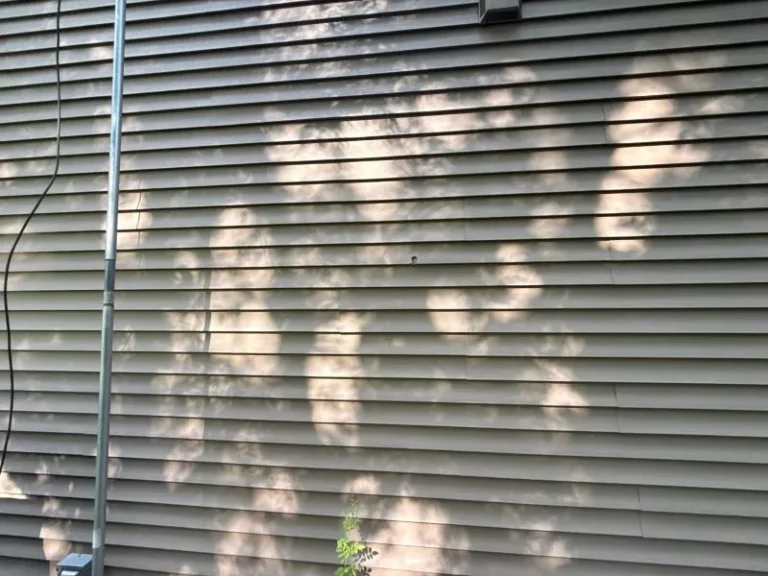
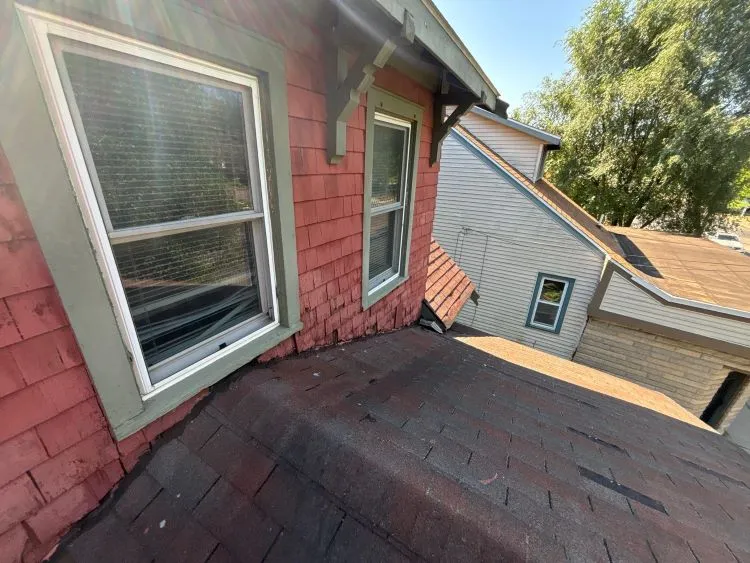
Branch proximity also changes how a roof dries after rain. A shaded roof stays wet longer, especially on the north side or beneath dense canopies. That extended wet time increases the chance of softened shingles, swollen decking at vulnerable points, and staining near valleys, chimneys, and dormers. Over time, minor abrasion and dampness can combine into leaks that feel sudden but were building quietly for years.
Recommended Tree Clearance from Roof: Practical Numbers That Work
When homeowners ask about tree clearance from roof, we focus on the branch tips and where they can travel during wind, not only where they sit on a calm day. As a dependable baseline, we typically aim for 6 to 10 feet of clearance from any branch to the roof surface and roof edges. That range reduces scraping risk, leaves room for safe movement during storms, and helps sunlight and airflow dry the roof.
Some properties need more. If you have fast growing species, large limbs, or a roof with vulnerable details like skylights or complex valleys, we often recommend 10 to 15 feet for primary limbs, with smaller secondary branches kept even farther back if they hang directly over ridge lines. The goal is simple: we want branches far enough away that they cannot touch the roof, even when flexing in wind or weighted by wet snow.
The Real Costs of Roof Damage from Branches
Roof damage from branches is not limited to dramatic storm incidents. It commonly appears in subtle, expensive forms:
- Granule loss from repeated rubbing, leading to faster UV breakdown.
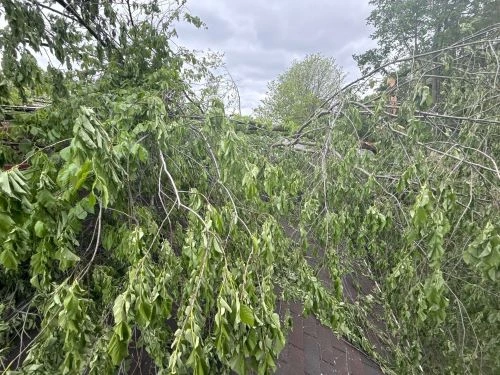
- Punctures and cracking from heavy limbs that snap during thunderstorms.
- Blocked drainage from leaves and twigs that clog gutters and valleys.
- Flashing damage where limbs strike chimneys, vents, and pipe boots.
- Hidden deck deterioration from trapped moisture beneath persistent debris.
Even if a roof does not leak immediately, repeated impacts can compromise seals and fasteners. The longer branches remain too close, the more likely small weaknesses turn into repairs that involve decking, underlayment, and interior water staining.
How We Evaluate Branch Risk Over a Roof
We assess risk with a few straightforward checks:
- Touch test: if a branch can touch the roof in any wind, clearance is insufficient.
- Drop zone review: heavy limbs over valleys, skylights, and ridges are higher priority.
- Canopy density: thicker shade increases drying time and organic buildup.
- Species behavior: some trees shed often, others split easily, and some grow toward light.
- Roof complexity: more penetrations and angles create more places for debris to collect.
A quick inspection from the ground can reveal obvious issues, but clearance decisions are best made with a full view of the roof plane, gutter lines, and the tree’s growth pattern.
Numbered Guide: Factors That Determine the Ideal Clearance
- Branch diameter and weight potential
Clearance should increase as branch diameter increases, because larger limbs carry more kinetic force and can crush shingles or decking if they fall. We treat any limb thick enough to damage a car as a priority hazard over a roof. Even without failure, heavier limbs flex farther in gusts. By maintaining greater separation, we reduce contact risk and limit the chance of a single storm turning into structural roof repair. - Wind exposure and storm direction
Homes on open lots, hilltops, or near fields experience stronger gusts that push limbs farther than expected. We evaluate prevailing wind direction and typical storm patterns. A branch that clears the roof on a quiet day may still whip downward during squalls. Increasing clearance in high wind zones protects shingle surfaces and reduces the chance of branches striking ridge caps, vent stacks, and flashing during severe weather. - Roof slope, material, and vulnerability points
Steeper roofs shed debris more easily, but they still suffer abrasion where branches scrape. Low slope sections and transitions hold leaves longer and are more sensitive to water intrusion. Asphalt shingles lose protective granules, metal roofs can dent and scratch coatings, and membrane roofs can puncture. We plan clearance around valleys, dormers, and penetrations because those areas fail first when debris and moisture persist. - Tree species growth rate and shedding habits
Some species grow aggressively toward sunlight and quickly re establish contact with the roof. Others drop small twigs constantly, creating a persistent debris load. We account for seasonal shedding patterns, including seed pods and needles. With fast growers, we recommend a wider buffer so the canopy does not become a recurring maintenance problem. A stable clearance plan prevents repeated trimming and reduces risk over time. - Snow and ice load on branches
In winter climates, branches bend under wet snow and ice, temporarily lowering by several feet. This is a common reason roofs get scratched or struck even when summer clearance looked acceptable. We plan clearance with winter deflection in mind, especially for long horizontal limbs. By allowing extra space, we reduce the chance that snow weighted branches rest on shingles, compress gutters, or damage fascia. - Access for gutter cleaning and roof maintenance
Clearance is not only about impact. Tight canopy cover makes it harder to clean gutters, inspect flashing, and spot early wear. When we keep branches farther back, homeowners can safely access roof edges without fighting limbs and debris. Better access means better maintenance. That reduces clogs, prevents water backup, and helps catch minor issues before they spread into interior leaks or widespread underlayment damage. - Pest pathways to the roof and attic
Branches act like bridges for squirrels, raccoons, and rodents. When limbs reach close to eaves, pests gain easy entry routes to gutters, soffits, and attic vents. More clearance reduces traffic and makes it harder for animals to nest near warm roof cavities. This matters because pest activity can tear screens, chew wood, and pull up shingles. Clearance is a core element of long term squirrels on roof prevention. - Tree health and structural integrity
A compromised tree needs more caution than a healthy one. Deadwood, cracks, weak branch unions, and fungal growth all increase the chance of limb drop. In these cases, clearance alone may not be enough, and selective pruning or removal of hazardous limbs becomes critical. We treat the roof as the high value target. When the tree shows warning signs, we plan clearance to reduce immediate risk and coordinate with qualified tree professionals when needed.
Best Practice Pruning for Safe, Lasting Clearance
We aim for clearance that stays effective, not just a quick trim that regrows into the same problem. Proper pruning removes targeted limbs at appropriate points, preserves the branch collar, and avoids topping, which can cause weak regrowth and future failures. Timing matters too. Many trees respond best to pruning during dormant seasons, while others require careful scheduling to avoid disease spread.
We also recommend pruning with roof performance in mind. We prioritize branches over ridge lines, valleys, chimneys, and skylights, then open the canopy enough to improve sun and airflow. That combination reduces organic buildup and improves drying. When clearance is done correctly, we reduce the frequency of gutter clogs and extend the usable life of roofing materials.
Squirrels on Roof Prevention: Stop the Shortcut to Your Attic
Effective squirrels on roof prevention begins with removing easy access. When branches hover close to eaves, squirrels can jump onto the roof, run along gutters, and probe soffits and vents. We recommend keeping branches at least 6 to 10 feet away from roof edges, then reinforcing weak points like gable vents, ridge vents, and soffit intersections with durable screening or pest resistant materials.
We also address attractants. Overflowing gutters, wet leaf piles, and damaged fascia create nesting opportunities. A clean roofline and consistent clearance reduce both the highway and the habitat. If you already see chewed edges or frequent animal activity, we recommend inspection of attic vents and roof penetrations to prevent entry before insulation and wiring become targets.
Signs Your Roof Needs Attention After Branch Contact
Even light contact can leave damage that worsens over time. We look for:
- Scuffed or shiny shingle areas where granules are missing
- Lifted shingle edges near branches that scrape in wind
- Dents or punctures on metal, vents, and flashing
- Gutter deformities where limbs press down during storms
- Interior clues, such as ceiling stains near exterior walls or chimneys
If you notice any of these, address clearance first, then evaluate the roof surface. Fixing the roof without correcting the tree risk often leads to repeat damage.
When Professional Help Makes Sense
When clearance work involves heights, heavy limbs, or limbs hanging above vulnerable roof areas, we benefit from a coordinated plan that addresses both the tree risk and the roof surface. If you suspect damage from rubbing, clogged valleys, or impact marks after a storm, we recommend correcting the clearance first, then inspecting shingles, flashing, gutters, and attic ventilation to confirm nothing is compromised. When water intrusion is active or a limb has fallen, we treat it as emergency roof repair and prioritize stopping moisture entry before secondary damage spreads.
Roof and Tree Maintenance Checklist for Year Round Protection
We recommend a practical schedule that keeps clearance and roof performance aligned:
- Spring: remove winter debris, check for scuffs, inspect gutters and downspouts
- Summer: confirm clearance remains consistent as growth accelerates
- Fall: reduce leaf load by trimming high drop zones and cleaning gutters
- Winter: monitor snow load on limbs and watch for sagging branches near eaves
Consistent small actions prevent the slow buildup that causes leaks, moldy insulation, and premature roof replacement.
Frequently Asked Questions
How do we know if a branch is too close if it does not touch the roof today?
We evaluate where the branch can move during wind, rain, and snow load, not only where it rests in calm weather. If a limb is within a few feet, it can flex downward, scrape shingles, or strike flashing. We also consider the drop zone, because even a non touching branch can shed limbs over valleys and penetrations where leaks begin.
What clearance helps reduce roof staining and moss growth?
Moss and algae thrive where roofs stay damp. Increasing tree clearance from roof improves sunlight exposure and airflow, which helps shingles dry faster. We typically aim for 6 to 10 feet or more, then reduce canopy density in problem areas. Cleaner gutters, fewer leaf piles, and better drying time work together to limit staining and slow moss regrowth.
Can small branches really cause roof damage from branches over time?
Yes. Small branches can repeatedly scrape shingles, dislodge granules, and create weak points that absorb water. They also drop twigs and leaves that clog gutters and hold moisture at roof edges. The damage may not look dramatic at first, but it often shows up as premature aging, curled tabs, or leaks around valleys and flashing after seasons of contact.
What is the safest approach if a limb breaks during a storm?
Safety comes first. We keep people away from downed limbs, avoid contact with any nearby power lines, and prevent further water entry if possible. Temporary protection like tarping may be needed until repairs are completed. Once the roof is stabilized, we inspect for punctures, flashing damage, and hidden deck issues, then plan permanent fixes and clearance adjustments.
How can we improve squirrels on roof prevention without harming trees?
We start by increasing clearance so branches are not jump points to the roof. Next, we secure entry targets like soffit gaps, gable vents, and roof to wall intersections with durable screening. We also remove debris and nesting opportunities near the eaves. This approach protects the roof and attic while keeping trees healthy through selective pruning rather than aggressive cutting.
Local Help When Clearance Issues Become Roof Problems
If repeated debris buildup or branch strikes have already created weak points, a timely inspection prevents small issues from becoming structural repairs. Homeowners looking for a roofing contractor in Kalamazoo often discover that trimming alone is not enough, because flashing seams, shingle edges, and gutter lines may already be stressed. When damage is confirmed, roof repair should include both the roof fix and the clearance correction so the same problem does not return next season.
Clearance Today Prevents Repairs Tomorrow
A roof lasts longer when it stays clean, dries quickly, and avoids repeated contact from overhead limbs. By maintaining dependable spacing, limiting debris, and strengthening pest barriers, we reduce leak risk and extend the life of roofing materials while keeping trees healthy and attractive. For inspections, clearance planning, and roof protection solutions that fit your property, we are ready to help at Worthy Construction.





Trustindex verifies that the original source of the review is Google. They did a great job and were a good price especially for the quality of work they did. I tried multiple quotes and they fit the bill perfectly. Thank you again got it done quick and looks great I would recommend!Trustindex verifies that the original source of the review is Google. I recently had my roof and gutters replaced by Worthy. The owner, Khari came out to do the quote and was very professional and not at all pushy. The price I paid was comparable to other quotes I had gotten but the quality of the shingles was better (they use Malarkey). Would for sure recommend this company for roof or gutters.Trustindex verifies that the original source of the review is Google. Five stars for quality service on all 4 jobs! Worthy replaced my roof, Gutters this spring Did the flashing on my deck last year And repaired the water damaged ceiling in my garage recently, so it all looks perfect again. Cost was affordable. Questions always answered in a friendly, caring matter. (And we had many questions) I highly recommend this company!Trustindex verifies that the original source of the review is Google. Khari and his team are incredible. From communication, to competitive pricing on work, Worthy Construction has it covered. I’m loving my brand new windows, and my friends love their new roof! Thank you Worthy ConstructionTrustindex verifies that the original source of the review is Google. Khari was very easy to work with, taking care of my house in a hurry with an active leak. Thanks for a job well done at a great price!Trustindex verifies that the original source of the review is Google. Top notch customer service!! Khari is the best.Trustindex verifies that the original source of the review is Google. Worthy Construction fought and won against my insurance company to get my roof replaced after the tornado and high winds of 2024. The absolute professionalism was impeccable along with the crew and the time it took. I highly recommended Worthy Construction, they are high skilled at what they doTrustindex verifies that the original source of the review is Google. Khari, Worthy construction , and all their employees are the most friendly construction crew we have worked with. After our initial project with our roof and gutters, we couldn’t wait to have his team replace our siding. Worthy Construction was fair, prompt, knowledgeable, efficient, clean and professional. We are very pleased we chose Worthy Construction for our project! Thank you Khari and team.Trustindex verifies that the original source of the review is Google. Khari came on time to inspect and give an estimate. I received the estimate in a timely fashion. It was reasonable. He is very personable and easy to reach. I have had him out for a couple of different things. This company is amazing. His sign is up all over my neighborhood. Thank you!!!!