
Soffit and Fascia Damage: How to Spot Hidden Water Intrusion Early
When we protect a home’s roofline, we protect far more than curb appeal. At Worthy Construction, we treat soffit and fascia as the home’s front line against moisture, pests, and slow structural decay. These components sit at the roof’s edge where water, wind, and temperature swings constantly test every seam and fastener. Because damage often starts out of sight, we focus on catching subtle clues early, before minor staining becomes widespread rot.
Hidden water intrusion rarely announces itself with a dramatic drip. It more often appears as small finish changes, softening wood fibers, and tiny openings that grow over time. Many homeowners searching roof company near me are not reacting to one big incident, but to repeated, quiet exposure. When we learn the language of early warning signs, we can stop deterioration before it spreads into rafters, insulation, drywall, and interior air quality.
What Soffit and Fascia Actually Do at the Roof Edge
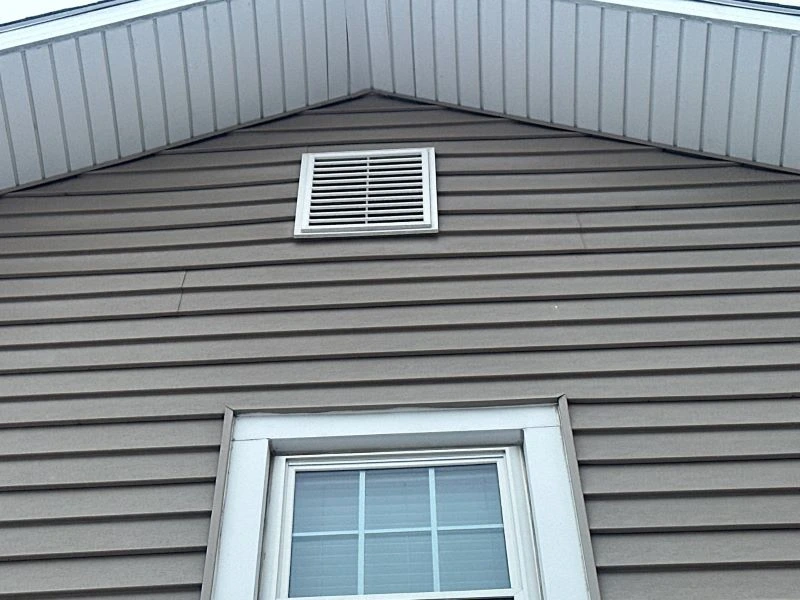
The soffit is the underside paneling that bridges the gap from exterior wall to roof overhang. It is often vented to help the attic breathe. The fascia is the vertical board along the roofline that supports gutters and creates a clean edge for shingles, drip edge, and flashing. Together, they manage airflow and direct water away from vulnerable framing.
When soffit vents clog or get damaged, attic moisture can linger, encouraging mold, weakening fasteners, and stressing roof sheathing. When fascia becomes saturated, gutter hardware can loosen, drip edges can separate, and water can migrate behind the system. Over time, these issues compound into full roof construction problems at the perimeter where repairs are most disruptive.
Why Hidden Water Intrusion Starts Here First
The roof edge is a convergence point. Water from shingles, underlayment runoff, ice melt, and wind-driven rain all meet the gutter line. Small installation gaps, aged sealants, or storm debris can redirect water into seams that were never meant to be wet. Once water gets behind paint or aluminum wrap, it can remain trapped and continue degrading wood silently.
We also see water intrusion driven by airflow. Warm, moist air escaping the home can condense in cold roofline cavities. That condensation can mimic a leak and still cause rot. Whether the source is exterior water or interior vapor, the result is the same: materials stay damp long enough for decay organisms to thrive.
Early Exterior Clues We Can Spot Without Removing Anything
We can often identify trouble before lifting a single panel by watching how surfaces age. These outward clues matter because they reveal what is happening underneath:
- Paint blistering or peeling along fascia edges suggests moisture pushing outward from saturated wood.
- Hairline cracking at corners and joints indicates movement from swelling and drying cycles.
- Brown staining beneath gutters or at soffit seams points to repetitive overflow or drip-back.
- Wavy fascia lines can mean the board is softening behind its facing material.
- Rust streaks from fasteners or gutter spikes can signal persistent wet conditions.
These are not merely cosmetic issues. They are often the first visible signals of fascia board water damage developing behind the finish layer.
Soffit Rot Signs We Should Never Ignore
Because soffits sit under the overhang, they can appear protected while damage quietly advances. Common soffit rot signs include localized softness when gently pressed, sagging panels, crumbling edges near corners, and a chalky surface that sheds easily. Vented soffits can also show distortion around perforations as damp material weakens and deforms.
We also watch for repeated “dirty” streaking around vents. That can indicate air is escaping through unintended paths, pulling dust through damp areas. If rot is active, the underside may show darkened wood fibers or a spongy texture. When these signs appear, water has usually been present long enough to justify immediate investigation.
How Fascia Deterioration Often Shows Up First
Fascia boards carry gutters, so they experience stress plus moisture. Even slight sagging at the gutter line can be an early indicator that the fascia is losing strength. We also look for gaps between the fascia and the drip edge, and for gutter hangers that appear to “pull away” from the board.
In many cases, the fascia face looks intact while the top edge, where water sits behind gutters, is deteriorating. This is why a fascia can fail suddenly during heavy rain or when debris loads a gutter. Early detection reduces the chance of a sudden gutter drop, water pouring behind siding, or damage extending into rafter tails.
The Problem with Gutters: Overflow, Drip-Back, and Trapped Moisture
Gutters are designed to carry water away, but when they clog, slope incorrectly, or detach slightly, they become water delivery systems to the fascia. Overflow saturates the fascia and can run behind soffit panels. Drip-back occurs when water clings to the gutter lip and flows backward toward the fascia rather than dropping cleanly.
We also see trapped moisture when gutter guards are poorly fitted or when debris piles create standing water against the roof edge. Even without clogs, a misaligned drip edge can direct water behind the gutter. The longer fascia stays wet, the higher the risk of decay extending into structural framing.
Pests at the Roofline: Why Birds and Small Animals Matter
Water intrusion and pests frequently overlap. Open seams and softened wood create entry points that wildlife quickly exploits. Birds in soffit areas are not merely a nuisance. Nesting activity can widen openings, block ventilation, and trap organic debris that holds moisture against wood surfaces.
When birds or squirrels enter a soffit cavity, they can dislodge insulation, tear vapor barriers, and create pathways for wind-driven rain. Their droppings add corrosive moisture and can degrade materials further. If we hear persistent scratching or chirping near eaves, we treat it as a combined ventilation, moisture, and sealing issue that needs prompt attention.
Hidden Interior Indicators We Can Connect Back to Soffit and Fascia
Even when the outside looks fine, the inside may tell the story. We watch for musty odors near upper rooms, subtle ceiling discoloration near exterior walls, and seasonal humidity spikes. In some cases, water that enters at the fascia travels along framing and appears as staining far from the entry point.
We also pay attention to attic conditions. Darkened roof decking near the eaves, damp insulation at the perimeter, or rusted nail tips can point to recurring moisture. These are indicators that roof-edge water management or ventilation is failing, even if the leak is not visible during a dry week.
A Step-by-Step Inspection We Can Do to Catch Intrusion Early
- Trace the water path from roof edge to downspout
We begin at the shingles and drip edge, then follow the line into the gutter and toward downspouts. We look for shingle edges that curl, debris that dams water, and gutters that hold standing water. This approach identifies where water should go versus where it actually goes. When we map the intended path, we can pinpoint the exact location where overflow or drip-back is feeding moisture into the fascia. - Evaluate joints, corners, and fasteners for movement and gaps
We examine fascia corners, soffit-to-fascia joints, and vent openings. Tiny separations at seams often expand with heat and cold cycles. We look for caulk that has shrunk, nail heads that have backed out, and metal wrap that has loosened. These small failures can funnel water behind protective layers. Catching this early prevents trapped moisture that accelerates rot in concealed wood. - Check ventilation performance at soffit vents without forcing panels
We assess whether vents are blocked by paint, insulation, dust, or nesting material. Poor airflow increases condensation risk and can create dampness that looks like a roof leak. We also verify that vents are evenly distributed and not crushed or warped. Balanced ventilation supports a drier attic perimeter, which helps preserve rafter tails and fascia. Healthy airflow reduces the conditions that allow rot organisms to thrive. - Inspect gutter attachment points and fascia strength indicators
We focus on hanger locations, spikes, and bracket spacing. Even slight sagging between hangers can indicate softened fascia, especially when gutters are full after rain. We look for dark streaking behind hangers, corrosion, and widening holes. A strong fascia holds hardware firmly. A weakening fascia allows micro-movement that worsens openings. Stabilizing these points early prevents a chain reaction of separation and water entry. - Look for biological clues: algae, mildew, and insect activity
Where moisture persists, biology follows. We check for green algae staining on fascia faces, mildew spotting under soffits, and mud tubes from insects seeking damp wood. These indicators often highlight chronic wetness rather than a one-time storm event. We also note sawdust-like frass, which can signal wood-destroying insects taking advantage of softened materials. Treating the moisture source first is essential for lasting results. - Confirm attic-edge conditions for corroborating evidence
When accessible, we inspect the attic perimeter near eaves. We look for damp insulation, darkened decking, and staining on framing where water may travel. We also check for daylight at soffit lines, which can indicate gaps that admit rain and pests. Attic-edge evidence helps confirm whether exterior staining is superficial or part of a deeper intrusion pattern. It also guides targeted repairs instead of guesswork.
How We Prevent Small Issues from Becoming Full Roof-Edge Failures
Effective prevention starts with water control and airflow control, working together. We keep gutters clean and properly sloped, ensure downspouts discharge away from foundations, and confirm drip edge placement directs water into the gutter. We also keep soffit ventilation clear and balanced to reduce condensation and keep roof-edge cavities dry.
Material choice matters. Properly primed wood, durable wraps, and corrosion-resistant fasteners last longer in wet climates. Sealants must be compatible with substrates and applied where they belong, not used to mask underlying problems. When we identify the root cause early, we avoid recurring damage cycles that lead to escalating repair scopes.
When deterioration is already present, we prioritize removing compromised wood rather than covering it. Wrapping over rot traps moisture and guarantees future failure. A careful approach restores structural integrity and improves water shedding. For broader protection, comprehensive roofing services often include perimeter evaluation so soffit and fascia issues do not undermine the roof system.
When Repair Becomes Urgent: Signs the Damage Is Advancing
We treat the situation as urgent when fascia is soft enough to deform under light pressure, when gutters visibly pull away, when soffit panels sag, or when staining spreads rapidly after storms. Persistent wildlife activity at eaves also raises urgency because openings tend to expand.
In these cases, the correct solution may involve targeted replacement, flashing corrections, or reworking gutter alignment. If water has penetrated into rafter tails or roof decking, swift action limits collateral damage. Depending on the roof’s age and edge condition, corrective roof installation details at the perimeter may be necessary to restore proper drainage.
Smart Maintenance Habits That Reduce Soffit and Fascia Risk
We build resilience through routine habits. Seasonal gutter clearing, especially after heavy leaf drop, prevents overflow. Visual checks after major storms help catch lifted edges, loose hangers, and new openings. Keeping roof-edge vegetation trimmed reduces debris accumulation and limits animal access.
We also keep an eye on attic humidity and insulation placement. Insulation should not block soffit vents, and air sealing should limit warm, moist interior air from reaching cold roof-edge cavities. This combination reduces condensation risk and extends the life of perimeter materials. When deterioration is found early, a focused roof repair plan can restore performance before major replacement is needed.
FAQs
What are the earliest soffit rot signs we can realistically notice?
The earliest indicators usually involve subtle changes: minor sagging near corners, a slightly soft feel at panel edges, and paint that loses adhesion around vent openings. We may also notice a musty smell near upper rooms if dampness persists. Light staining under eaves after rain can point to recurring overflow. Early attention matters because soffit cavities can hide significant decay before visible collapse occurs.
How does fascia board water damage typically start if shingles look fine?
It often begins with gutter issues and edge detailing, not the shingles themselves. If water overflows or drips backward, it can soak the top of the fascia where it is hard to see. Over time, that moisture degrades the board behind paint or metal wrap. Even a small gap at the drip edge can funnel water behind the gutter, initiating hidden saturation and progressive weakening.
Why do we sometimes see birds in soffit areas when there is also moisture damage?
Openings created by swelling wood, failed sealant, or loose trim make attractive access points for nesting. Once birds enter, they can widen gaps and pack nesting material into cavities, which traps moisture and blocks ventilation. That combination increases dampness and accelerates deterioration. Addressing both the entry point and the moisture source is essential, otherwise wildlife activity continues and damage returns.
Can clogged vents contribute to water-like damage even without a roof leak?
Yes. When soffit ventilation is blocked, attic air can become humid and condensation can form on cooler surfaces near eaves. That moisture can dampen insulation and wood, creating rot conditions that resemble a leak. We treat ventilation as part of moisture management. Restoring airflow, maintaining proper insulation clearance, and improving air sealing can reduce condensation-driven damage significantly.
What should we prioritize first: gutters, fascia, or soffit repairs?
We prioritize stopping the water source first, then restoring structure. If gutters are overflowing or misaligned, correcting that prevents continued saturation. Next, we address compromised fascia because it supports gutters and protects roof-edge framing. Finally, we repair soffits to restore ventilation and close entry points. This sequence prevents repeated wetting during repairs and ensures the system performs as a unified perimeter assembly.
Conclusion
Soffit and fascia problems are rarely isolated. They are roof-edge warnings that water and airflow are not behaving as intended. When we identify subtle staining, softening, ventilation issues, or wildlife activity early, we avoid deeper structural deterioration and keep the roofline stable, dry, and secure. For long-term performance and precise corrective work, we align materials, drainage, and ventilation as one system with Worthy Construction.






Trustindex verifies that the original source of the review is Google. Khari and his team are incredible. From communication, to competitive pricing on work, Worthy Construction has it covered. I’m loving my brand new windows, and my friends love their new roof! Thank you Worthy ConstructionTrustindex verifies that the original source of the review is Google. Khari was very easy to work with, taking care of my house in a hurry with an active leak. Thanks for a job well done at a great price!Trustindex verifies that the original source of the review is Google. Top notch customer service!! Khari is the best.Trustindex verifies that the original source of the review is Google. Worthy Construction fought and won against my insurance company to get my roof replaced after the tornado and high winds of 2024. The absolute professionalism was impeccable along with the crew and the time it took. I highly recommended Worthy Construction, they are high skilled at what they doTrustindex verifies that the original source of the review is Google. Khari, Worthy construction , and all their employees are the most friendly construction crew we have worked with. After our initial project with our roof and gutters, we couldn’t wait to have his team replace our siding. Worthy Construction was fair, prompt, knowledgeable, efficient, clean and professional. We are very pleased we chose Worthy Construction for our project! Thank you Khari and team.Trustindex verifies that the original source of the review is Google. Khari came on time to inspect and give an estimate. I received the estimate in a timely fashion. It was reasonable. He is very personable and easy to reach. I have had him out for a couple of different things. This company is amazing. His sign is up all over my neighborhood. Thank you!!!!Trustindex verifies that the original source of the review is Google. I used worthy construction very recently when I came home from work and found water damage inside. A neighbor reached out saying how great Mr. Worthy was. I reached out to him and he was able to come over that day and give me an estimate. I went through with his services and the communication was great. I enjoyed the picture evidence of their work along the way and the explanations. There was a break in between all of the winter storms and Mr.Worthy and his team were able to get it done as quick as possible. They were also able to repair the inside ceiling and paint for me. I really appreciated everything they did for me. Everything looks great and would use them again as well as recommend them in a heart beat. Mr. Worthy and his team are top notch.Trustindex verifies that the original source of the review is Google. We are so grateful for the great communication and the prompt, excellent service we received. This company truly cares and we are especially grateful for their support of our military veterans!Trustindex verifies that the original source of the review is Google. Highest praise for all of Worthy Construction. Fantastic service, advice and attention. Full roof installation plus gutters. They kept us informed about everything happening and were done on time. Efficient, quality, professional work. Highly recommended.