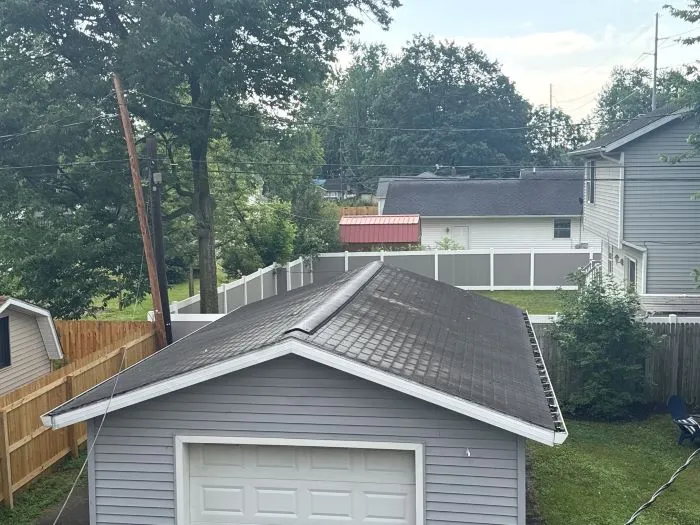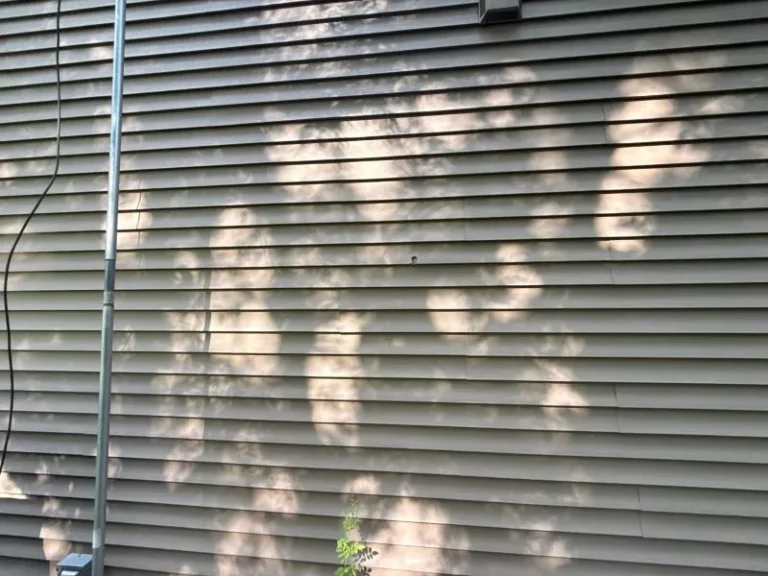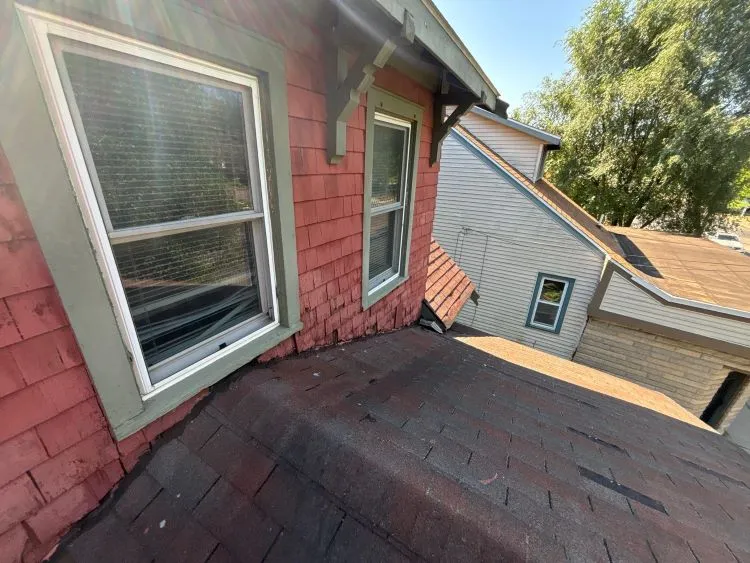
Black Streaks on Roofs: Algae vs Dirt vs Aging
When we inspect homes with visible roof discoloration, we often find that property owners are not looking at a simple cosmetic issue. At Worthy Construction, we recognize that black streaks on roof surfaces can signal biological growth, trapped debris, moisture retention, or long term surface deterioration that deserves prompt attention. These dark lines and stains rarely appear at random. They form through specific conditions, and understanding those conditions is the first step toward protecting curb appeal, extending roof life, and preventing avoidable damage.
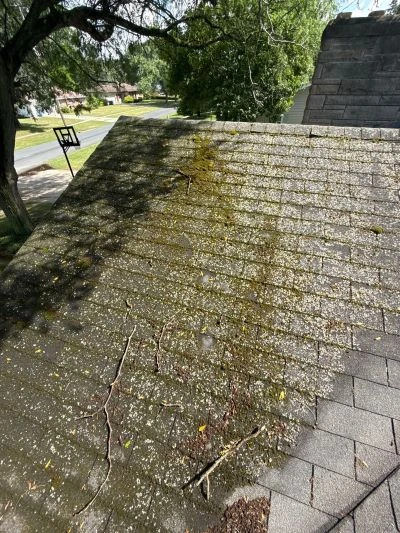
Why Black Streaks on Roofs Should Never Be Ignored
A roof is constantly exposed to sun, rain, humidity, airborne particles, leaves, and organic material. Over time, this exposure creates ideal conditions for visible staining. In many cases, homeowners assume the dark marks are simply dirt. In reality, the cause may be more complex. Some stains are linked to algae colonization. Others are caused by environmental buildup or by the natural wearing of roofing materials.
The reason the issue matters is simple. Dark staining can increase heat absorption, reduce the clean appearance of a property, and indicate that moisture is lingering on the roof surface longer than it should. A stained roof can also make an otherwise well kept home appear older, poorly maintained, or in need of significant work, even when the underlying structure is still sound. That is why careful identification matters before any cleaning or corrective action begins.
What Causes Black Roof Streaks
The three most common causes of dark roof discoloration are algae, dirt accumulation, and material aging. Each one leaves a different pattern, behaves differently over time, and requires a different response.
Algae Growth and Gloeocapsa Magma
One of the most common culprits behind roof streaking is gloeocapsa magma, a type of blue green algae that spreads through airborne spores. Once it lands on a roof, especially on asphalt shingles, it feeds on limestone filler commonly found in shingle manufacturing. The result is a dark, unsightly stain that often begins as small patches and gradually expands into long streaks.
This type of algae thrives in humid climates, shaded sections of the roof, and areas where moisture lingers after rain or morning dew. North facing slopes and sections under overhanging trees are often the first places where staining appears. The darker the streaks become, the more established the algae colony usually is. While the algae does not instantly destroy shingles, it can contribute to moisture retention and surface degradation over time.
Dirt and Airborne Debris
Not every dark stain is biological. In many neighborhoods, roofs collect dust, pollen, soot, vehicle emissions, leaf fragments, and airborne industrial residue. This material can settle gradually and become more visible after repeated cycles of rain, heat, and humidity. Dirt based staining usually appears more uneven than algae staining. It may be patchy, muddy, or concentrated in areas where runoff slows and debris collects.
Dirt often becomes trapped near valleys, low spots, flashing transitions, and gutters. If the roof has overhanging branches, falling organic matter can create concentrated areas of buildup. Unlike algae, dirt does not grow or spread by feeding on the roof. However, it can hold moisture against the shingle surface and contribute to a neglected appearance that affects property value.
Natural Aging of Roofing Materials
Roof discoloration can also result from aging. As shingles weather over the years, their protective granules loosen, fade, and wear away. The roof surface may begin to look darker, duller, or uneven in color. Aging is often accompanied by curling edges, brittleness, exposed substrate, bald spots, or a generally tired appearance rather than the smooth streak pattern seen with algae.
Aging related discoloration is important because cleaning alone will not solve it. If the material has reached the end of its functional life, the right solution may involve targeted restoration planning, not cosmetic treatment. A worn roof can no longer defend the home as effectively against moisture intrusion, UV damage, and temperature swings.
How to Tell the Difference Between Algae, Dirt, and Aging
Identifying the source of dark roof staining requires more than a glance from the ground. Pattern, texture, roof orientation, and overall roof condition all help reveal what is happening.
Algae usually forms consistent dark streaks that run downward with water flow. It commonly appears on shaded or moisture prone slopes first. Dirt tends to look less organized and more scattered. It may gather in pockets, especially where runoff slows or where nearby trees contribute debris. Aging often affects the roof more uniformly, accompanied by fading, granule loss, curling, and visible wear that extends beyond staining alone.
A roof can also suffer from more than one issue at the same time. For example, an aging roof may also host algae, and a dirt covered roof may trap enough moisture to encourage biological growth. That overlap is why a professional assessment is important before selecting a treatment.
The Real Impact of Roof Streaking on Your Home
Dark roof stains affect more than appearance. A home with visible roof staining may lose visual appeal instantly, especially in competitive real estate markets where buyers evaluate maintenance standards from the curb. A roof that looks stained and neglected can make the entire property feel older.
There are also performance concerns. Algae and debris can trap moisture, and persistent moisture can accelerate wear on roofing surfaces. Heat absorption may increase in darker stained areas, which can influence attic temperatures and reduce energy efficiency during warm seasons. Even when staining begins as a surface issue, the conditions that cause it can point to broader maintenance concerns such as shade overload, poor drainage, or neglected gutter systems.
Why Roof Algae Removal Requires the Right Method
Effective roof algae removal is not a matter of aggressive scrubbing or high pressure washing. In fact, harsh washing methods can strip protective granules from shingles, shorten roof life, and create avoidable damage. The goal is not just to remove visible stains. The goal is to address the biological cause while preserving the roofing material.
A proper cleaning strategy typically uses roof safe soft washing methods and specialized solutions designed to break down algae colonies without eroding the roof surface. Once the algae is treated, stains often fade over time with weather exposure. In more severe cases, repeated treatment or longer dwell time may be necessary. The cleaning method must always match the roof type, age, and current condition.
How Moisture, Shade, and Climate Encourage Staining
Roof stains are rarely random. They develop where environmental conditions remain favorable for growth and buildup. Shade is one of the biggest contributors because it slows drying after rain and morning condensation. Trees increase shade, drop organic matter, and reduce airflow, all of which encourage staining.
Humidity also plays a major role. In damp climates, roofs stay moist longer and biological growth becomes more aggressive. Poor attic ventilation can worsen the problem by increasing temperature differences that encourage condensation. Clogged gutters can add another layer of trouble by slowing drainage and allowing water to back up along vulnerable sections of the roofline.
Five Practical Ways We Evaluate Black Roof Streaks
- We study the pattern of the discoloration before anything else. Long, narrow streaks that follow the slope of the roof often point toward algae activity, while irregular dark patches may indicate dirt accumulation or moisture related debris. A consistent pattern across shaded areas can reveal a biological issue. By examining where the staining starts and how it spreads, we can separate surface contamination from signs of material wear and make a more accurate recommendation.
- We compare shaded and sun exposed sections of the same roof. This comparison is valuable because algae and moisture related staining almost always favor cooler, slower drying areas. If one roof slope is noticeably darker and that section receives less sunlight, the evidence strongly suggests organic growth rather than simple aging. When both slopes show similar fading, granule loss, and dullness, the condition may be more closely tied to age and long term weather exposure.
- We inspect the roof surface for accompanying signs of deterioration. Discoloration alone does not tell the full story. We look for curling shingles, bald spots, cracking, brittle edges, and granule accumulation in gutters. Those details help us determine whether the roof is merely stained or whether it is entering a stage where protective performance is being compromised. This distinction is essential because cleaning a heavily deteriorated roof can expose weakness rather than solve the problem.
- We assess nearby environmental contributors around the property. Overhanging branches, poor airflow, clogged gutters, and heavy tree cover often explain why staining keeps returning. Windborne debris and trapped moisture can create a roof environment where dirt and algae continue to build up year after year. By identifying these external conditions, we can recommend actions that reduce future recurrence instead of focusing only on short term stain removal.
- We determine whether the roof needs cleaning, correction, or replacement planning. A surface treatment is appropriate when the materials remain structurally sound and the issue is largely cosmetic or biological. However, if the roof shows widespread aging, moisture concerns, or compromised shingles, a deeper solution is needed. This is where careful evaluation protects the homeowner from wasting money on the wrong service and helps preserve the long term integrity of the system.
Preventing Black Streaks from Returning
Prevention begins with moisture control and routine care. Trimming branches can increase sunlight and airflow. Keeping gutters clear helps water drain properly. Removing leaf buildup prevents moisture pockets from forming on the roof surface. Homeowners should also watch for recurring dark lines after wet weather, because early treatment is more effective than waiting until the staining becomes severe.
In some cases, algae resistant shingles can help reduce future problems. Certain roofing products include copper or similar protective components designed to discourage algae growth. These products can be especially valuable in humid regions where roof streaking is common. Preventive planning during roofing construction can save homeowners significant cleaning and maintenance costs later.
When Cleaning Is Enough and When It Is Not
A cleanable roof is one that still has structural life and protective surface integrity. If the shingles are intact and the staining is caused primarily by algae or debris, proper cleaning can restore appearance and improve overall performance conditions. However, if the shingles are brittle, curling, losing granules, or showing widespread wear, cleaning becomes a limited solution.
This is where property owners benefit from an honest evaluation. A roof that is visually dark because of age will not be renewed by washing. In those situations, strategic planning for replacement or restoration is more responsible than repeated cleaning attempts. Choosing the right path protects both the home and the investment.
Long Term Care for a Cleaner, Stronger Roof
The best protection against recurring roof stains is consistent care. Professional inspections, seasonal debris removal, gutter cleaning, and moisture management all support better roof performance. Timely roof maintenance helps detect early staining before it spreads and allows small concerns to be corrected before they become expensive problems. When isolated damage appears, prompt roof repair can prevent moisture intrusion that may worsen staining and accelerate material breakdown. Homeowners who stay proactive usually enjoy longer roof life, stronger curb appeal, and fewer major surprises.
For homeowners comparing options, it is important to choose experienced providers who understand the difference between cosmetic cleaning and material failure. Reliable roofing services should begin with correct diagnosis, followed by safe recommendations tailored to the actual condition of the roof. A thoughtful approach preserves both function and appearance
FAQs About Black Streaks on Roofs
Are black streaks on a roof always caused by algae?
No. Although algae is a common cause, especially when gloeocapsa magma is involved, black roof stains can also result from dirt, soot, tree debris, and normal material aging. The pattern of the stain usually reveals the likely source. Long dark streaks on shaded slopes often indicate algae, while patchy buildup or widespread dull discoloration may point to other causes. A proper inspection is the best way to identify the issue accurately.
Can black roof streaks damage shingles over time?
Yes, they can contribute to roof wear, especially when the staining is caused by algae or moisture trapping debris. The staining itself may begin as a surface issue, but the conditions behind it can encourage prolonged dampness and heat retention. Over time, that environment can weaken roofing materials, affect appearance, and shorten service life. Early action is always better than allowing the problem to spread unchecked across multiple roof sections.
Is pressure washing a good way to clean a stained roof?
In most cases, no. Pressure washing can remove the protective granules that asphalt shingles need to resist weathering and UV exposure. Once those granules are stripped away, the roof may age faster and become more vulnerable to damage. Safer cleaning methods rely on low pressure application and roof appropriate treatment solutions. The purpose is to eliminate biological growth and surface buildup without harming the roofing material underneath.
How can homeowners keep black streaks from coming back after cleaning?
Prevention depends on reducing the conditions that allow staining to form. Trimming overhanging branches, improving airflow, clearing gutters, and removing leaf debris all help the roof dry faster. In humid areas, regular inspections are also valuable because they catch recurring growth early. If the roof is especially vulnerable, algae resistant shingles may be worth considering during future replacement planning to reduce the likelihood of repeated staining.
How do we know whether our roof needs cleaning or replacement?
The answer depends on the condition of the roofing material itself. If the shingles are still intact and the main issue is discoloration, cleaning may be enough. If the roof shows curling, cracking, granule loss, bald spots, or widespread age related wear, the problem goes beyond appearance. In that case, replacement planning may be the smarter investment. A detailed roof evaluation helps separate a cosmetic concern from a functional roofing problem.
Conclusion
Black roof streaks are never just a visual nuisance when they point to algae growth, persistent debris buildup, or material wear. By understanding the difference between algae, dirt, and aging, we can choose the right solution, protect the roof surface, and preserve the appearance of the entire home. A properly evaluated roof performs better, lasts longer, and avoids unnecessary treatments that fail to address the true cause. For homeowners who want clear answers and dependable guidance, Worthy Construction remains committed to helping protect the value, condition, and long term performance of every roof we assess.





Trustindex verifies that the original source of the review is Google. They did a great job and were a good price especially for the quality of work they did. I tried multiple quotes and they fit the bill perfectly. Thank you again got it done quick and looks great I would recommend!Trustindex verifies that the original source of the review is Google. I recently had my roof and gutters replaced by Worthy. The owner, Khari came out to do the quote and was very professional and not at all pushy. The price I paid was comparable to other quotes I had gotten but the quality of the shingles was better (they use Malarkey). Would for sure recommend this company for roof or gutters.Trustindex verifies that the original source of the review is Google. Five stars for quality service on all 4 jobs! Worthy replaced my roof, Gutters this spring Did the flashing on my deck last year And repaired the water damaged ceiling in my garage recently, so it all looks perfect again. Cost was affordable. Questions always answered in a friendly, caring matter. (And we had many questions) I highly recommend this company!Trustindex verifies that the original source of the review is Google. Khari and his team are incredible. From communication, to competitive pricing on work, Worthy Construction has it covered. I’m loving my brand new windows, and my friends love their new roof! Thank you Worthy ConstructionTrustindex verifies that the original source of the review is Google. Khari was very easy to work with, taking care of my house in a hurry with an active leak. Thanks for a job well done at a great price!Trustindex verifies that the original source of the review is Google. Top notch customer service!! Khari is the best.Trustindex verifies that the original source of the review is Google. Worthy Construction fought and won against my insurance company to get my roof replaced after the tornado and high winds of 2024. The absolute professionalism was impeccable along with the crew and the time it took. I highly recommended Worthy Construction, they are high skilled at what they doTrustindex verifies that the original source of the review is Google. Khari, Worthy construction , and all their employees are the most friendly construction crew we have worked with. After our initial project with our roof and gutters, we couldn’t wait to have his team replace our siding. Worthy Construction was fair, prompt, knowledgeable, efficient, clean and professional. We are very pleased we chose Worthy Construction for our project! Thank you Khari and team.Trustindex verifies that the original source of the review is Google. Khari came on time to inspect and give an estimate. I received the estimate in a timely fashion. It was reasonable. He is very personable and easy to reach. I have had him out for a couple of different things. This company is amazing. His sign is up all over my neighborhood. Thank you!!!!