
Why Siding Gets Soft, Spongy, or Weak in Certain Areas
When siding begins to feel soft, spongy, or weak in isolated areas, it is usually a sign that something beneath the surface has changed. At Worthy Construction, we understand that exterior siding is more than a cosmetic layer on a home. It protects the structure from moisture, wind, pests, temperature changes, and long-term deterioration. When homeowners notice soft siding spots, spongy siding, or areas where the siding feels soft to the touch, the issue should be taken seriously because it may indicate trapped moisture, damaged sheathing, poor installation, or hidden structural decay.
What It Means When Siding Feels Soft or Spongy
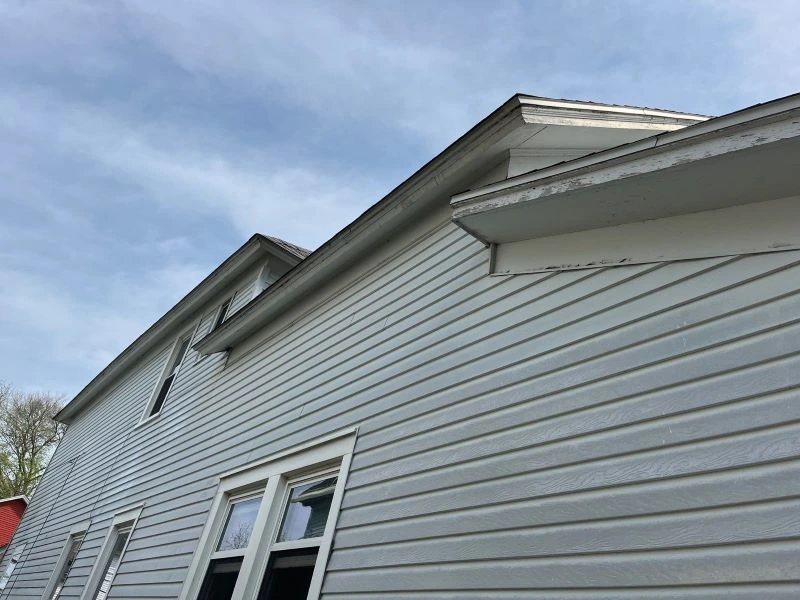
Siding should feel firm, secure, and stable when gently pressed. While different siding materials have different levels of flexibility, no exterior wall covering should feel mushy, hollow, damp, or weak. When siding feels soft, the problem is often deeper than the outer panel. The siding itself may be warped or deteriorated, but the sheathing, framing, insulation, or moisture barrier underneath may also be compromised.
Soft or weak areas can appear around windows, doors, rooflines, corners, seams, utility penetrations, or lower sections of the wall. These are common points where water can enter if flashing, caulking, trim, gutters, or siding joints fail. Over time, that moisture can weaken the materials behind the siding and create spongy or unstable sections.
Common Signs of Weak Exterior Siding
Weak exterior siding often develops gradually. Many homeowners first notice a small area that feels different from the surrounding wall. It may flex more than expected, look slightly swollen, or sound hollow when tapped. In some cases, the siding may appear stained, bubbled, cracked, loose, or warped.
Other warning signs include peeling paint, mildew growth, musty odors near exterior walls, visible gaps, soft trim boards, insect activity, or interior wall stains. If the siding moves too easily when touched, separates from the wall, or feels damp after dry weather, there may be moisture trapped behind the surface. These signs should not be ignored because hidden damage can continue spreading behind otherwise normal-looking siding.
Main Reasons Siding Gets Soft, Spongy, or Weak
1. Moisture Trapped Behind the Siding
Moisture is one of the most common reasons for soft siding spots. Water can get behind siding through cracked caulk, failed flashing, loose trim, damaged seams, or clogged gutters. Once trapped, it may soak into wood sheathing, insulation, and framing. As those materials absorb moisture, they can swell, rot, and lose strength. The siding may then feel soft or unstable because the backing behind it no longer provides solid support.
2. Rotted Sheathing Under the Exterior Surface
The siding itself may not always be the main problem. In many cases, the sheathing beneath the siding has weakened. Sheathing is the layer attached to the wall framing, and it helps support the exterior covering. If water reaches this layer repeatedly, it can decay and soften. When the sheathing loses its strength, the siding may press inward, feel hollow, or develop a spongy response when touched.
3. Poor Flashing Around Windows, Doors, and Rooflines
Flashing is designed to direct water away from vulnerable openings. When flashing is missing, poorly installed, bent, corroded, or sealed incorrectly, water can move behind the siding. This often happens around windows, doors, decks, chimneys, and roof-to-wall intersections. The damage may remain hidden for months or years until the siding begins to feel weak. Proper flashing is essential because caulk alone is not enough to stop water long term.
4. Failed Caulking and Open Siding Joints
Caulking seals gaps around trim, corners, vents, utility lines, and other exterior openings. Over time, caulk can dry out, shrink, crack, or pull away from the surface. Once gaps open, wind-driven rain can enter behind the siding. Small openings can cause major problems because water may travel behind panels and collect in areas that are difficult to see. This can create spongy siding even when the outer surface looks mostly intact.
5. Insect or Pest Damage Behind the Siding
Pests can also weaken siding and the materials behind it. Termites, carpenter ants, bees, and other insects may enter through small cracks or damp wood. Once inside, they can hollow out trim, sheathing, or framing. A wall section may then feel soft, brittle, or unstable. Pest damage is often linked to moisture because damp wood attracts insects. When soft siding is combined with small holes, sawdust-like debris, or insect activity, the wall should be inspected carefully.
6. Improper Siding Installation
Incorrect fastening, poor spacing, missing weather barriers, and bad panel alignment can all contribute to weak exterior siding. Siding must be installed to allow movement, drainage, and ventilation. If panels are fastened too tightly, water is trapped behind them, or seams are placed incorrectly, the system may fail early. Poor workmanship can create soft areas because the siding does not shed water properly or does not remain securely supported.
7. Aging Materials and Long-Term Weather Exposure
All siding materials wear down over time. Sun exposure, rain, wind, freezing temperatures, humidity, and impact damage can weaken siding gradually. Wood may rot, fiber cement may crack if moisture enters damaged edges, vinyl may become brittle, and older composite materials may swell. Aging siding is more vulnerable to moisture intrusion because protective coatings, seams, and sealants begin to fail. This often leads to weak areas before full replacement becomes necessary.
8. Gutter and Drainage Problems
Clogged, leaking, or poorly pitched gutters can send water down the siding instead of away from the home. When water repeatedly runs over the same wall section, it can enter behind panels, soak trim boards, and damage sheathing. Downspouts that discharge too close to the foundation can also increase moisture around lower siding sections. If soft siding appears beneath gutters, near corners, or around the base of a wall, drainage should be evaluated.
Why Soft Siding Spots Should Not Be Ignored
Soft siding is rarely just a surface issue. It often indicates that water has already reached the wall system. Once moisture enters, it can move through insulation, framing, and interior wall materials. This can lead to wood rot, mold growth, reduced energy efficiency, pest attraction, and structural weakening.
The longer the issue remains untreated, the more expensive it may become. A small area of damaged siding can turn into a larger repair if moisture continues spreading. In severe cases, homeowners may need sheathing replacement, framing repair, insulation removal, and interior wall restoration. Early attention helps limit damage and preserve the home’s protective exterior system.
How Different Siding Materials Become Soft or Weak
Vinyl Siding
Vinyl siding does not rot like wood, but it can still feel weak if the backing behind it is damaged. Vinyl may also warp from heat, crack from impact, or loosen due to improper fastening. If vinyl siding feels soft, the issue is often the sheathing underneath rather than the panel itself. Hollow or spongy movement may mean the wall behind the vinyl has moisture damage.
Wood Siding
Wood siding is especially vulnerable to moisture. If paint, stain, or sealant fails, water can penetrate the boards and cause rot. Soft wood siding may crumble, dent easily, or feel damp. Areas near the ground, rooflines, windows, and trim joints are more likely to decay. Wood siding requires consistent maintenance to prevent moisture absorption and insect damage.
Fiber Cement Siding
Fiber cement is durable, but it can still develop problems if installed incorrectly or left with exposed, unsealed edges. Cracks, gaps, and failed caulking can allow water to enter behind the boards. While the fiber cement itself may remain firm, the materials beneath it can soften. Weakness around seams or trim may suggest water has reached the sheathing.
Engineered Wood Siding
Engineered wood siding can perform well when properly installed and maintained, but moisture intrusion can cause swelling, edge deterioration, and soft spots. Damaged finishes, unsealed cuts, and poor clearance from roofs or soil can allow water absorption. Once moisture enters the material, it may expand and weaken over time.
Where Soft or Spongy Siding Usually Appears
Soft siding often develops in predictable areas. These include beneath windows, around door frames, near roof edges, along deck connections, below gutters, around hose bibs, around exterior outlets, and near the bottom of walls. These locations are more exposed to water entry, impact, or drainage problems.
Lower wall sections are especially vulnerable because splashback from rain, landscaping, and hard surfaces can keep siding damp. Corners and seams are also common failure points because they depend heavily on proper sealing and flashing. When soft areas appear in more than one location, the home may have a broader moisture management problem.
How Professionals Diagnose Weak Exterior Siding
A proper evaluation starts with a visual inspection of the siding, trim, seams, flashing, caulk, gutters, and roofline connections. The inspector may look for cracks, staining, swelling, gaps, loose panels, and signs of water movement. Gentle pressure may be applied to determine whether the softness is limited to the surface or connected to deeper wall damage.
In some cases, a small section of siding may need to be removed to inspect the sheathing and weather barrier underneath. Moisture meters may also help identify damp materials behind the siding. This step is important because the visible siding does not always show the full extent of the damage. A wall may look acceptable from the outside while hiding rot underneath.
Repair Options for Soft or Spongy Siding
The right repair depends on the cause and severity of the damage. If the issue is limited to a small area, targeted siding repair may be enough. This can include removing damaged panels, replacing rotted sheathing, correcting flashing, resealing joints, and reinstalling matching siding.
If the damage is widespread, old, or connected to multiple moisture failures, siding replacement may be the better long-term solution. Replacement allows the wall system to be rebuilt correctly with proper barriers, flashing, trim details, and drainage. For homes with recurring siding problems, professional siding installation can improve durability, appearance, and weather protection.
Preventing Soft Siding Spots in the Future
Preventing siding damage begins with water control. Gutters should be cleaned regularly, downspouts should direct water away from the home, and landscaping should not hold moisture against siding. Caulking should be checked and replaced when it cracks or separates. Trim, flashing, and siding joints should be inspected after storms and seasonal weather changes.
Homeowners should also watch for early warning signs. A small stain, loose panel, or cracked seam may be the first clue that water is entering. Prompt maintenance helps prevent weak exterior siding from developing into a larger structural issue. A reliable exterior maintenance routine protects both the siding and the materials behind it.
When to Call a Professional for Soft Siding
A professional should evaluate siding when an area feels soft, spongy, damp, unstable, or hollow. It is especially important to get help if the siding is near windows, doors, gutters, rooflines, or areas with visible staining. A trained contractor can determine whether the issue is isolated or part of a deeper moisture problem.
Homeowners should also seek help if soft siding appears after a storm, if interior walls show water stains, or if siding panels are bulging or pulling away. Since moisture damage can spread behind the surface, waiting too long may make the repair more extensive.
As a roofing company in Kalamazoo, we understand how roofing, gutters, flashing, and siding work together as one exterior protection system. When one part fails, water may travel into another area and create damage that is not immediately obvious.
The Connection Between Soft Siding and Home Value
Siding has a major effect on curb appeal, energy efficiency, and structural protection. Soft or weak siding can reduce buyer confidence because it may suggest hidden water damage. During a home inspection, spongy areas can raise concerns about rot, mold, framing deterioration, and poor maintenance.
Keeping siding firm, sealed, and properly installed helps preserve the value of the home. It also reduces the risk of costly repairs before selling or refinancing. Strong siding gives the home a cleaner appearance and provides reassurance that the exterior envelope is doing its job.
FAQs About Soft, Spongy, or Weak Siding
What causes soft siding spots on a house?
Soft siding spots are usually caused by moisture that has entered behind the siding and weakened the material underneath. Water may come through failed caulking, poor flashing, damaged trim, loose panels, or clogged gutters. In many cases, the siding feels soft because the sheathing behind it has started to rot. Pest damage, age, and improper installation can also contribute to weak areas.
Is spongy siding always a serious problem?
Spongy siding should always be taken seriously because it often points to hidden damage behind the surface. While some siding materials naturally flex a little, a soft or mushy feeling is not normal. The issue may be minor if caught early, but it can become serious if moisture continues spreading. A professional inspection can confirm whether the problem is limited or structural.
Why does my siding feel soft near windows or doors?
When siding feels soft near windows or doors, water may be entering through failed flashing, cracked caulking, or gaps in the trim. These openings are vulnerable because they interrupt the wall system and require proper sealing. If water gets behind the siding, it can damage sheathing and framing. Softness in these areas often means the wall needs a closer inspection.
Can weak exterior siding be repaired without replacing everything?
Weak exterior siding can sometimes be repaired without replacing the entire exterior, especially if the damage is limited to one area. The damaged siding can be removed, the underlying sheathing can be repaired, and new panels can be installed. However, if the problem appears in multiple locations or the siding is old and failing, full replacement may be more practical.
How can homeowners prevent siding from becoming soft again?
Homeowners can prevent soft siding by controlling moisture around the exterior. Gutters should stay clear, downspouts should move water away from the foundation, and caulking should be maintained around trim and openings. Siding should also be inspected after heavy storms. Promptly fixing cracks, gaps, and loose panels helps keep water from reaching the wall system and causing future damage.
Conclusion
Soft, spongy, or weak siding is a warning sign that should be addressed before the damage spreads. Whether the cause is moisture intrusion, rotted sheathing, poor flashing, aging materials, pest activity, or drainage problems, early action helps protect the structure and appearance of the home. When siding loses strength in certain areas, we focus on identifying the source of the problem, correcting the damage, and helping the exterior perform as it should. For homeowners who want dependable exterior solutions, Worthy Construction provides the knowledge and care needed to restore confidence in the home’s siding system.






Trustindex verifies that the original source of the review is Google. They did a great job and were a good price especially for the quality of work they did. I tried multiple quotes and they fit the bill perfectly. Thank you again got it done quick and looks great I would recommend!Trustindex verifies that the original source of the review is Google. I recently had my roof and gutters replaced by Worthy. The owner, Khari came out to do the quote and was very professional and not at all pushy. The price I paid was comparable to other quotes I had gotten but the quality of the shingles was better (they use Malarkey). Would for sure recommend this company for roof or gutters.Trustindex verifies that the original source of the review is Google. Five stars for quality service on all 4 jobs! Worthy replaced my roof, Gutters this spring Did the flashing on my deck last year And repaired the water damaged ceiling in my garage recently, so it all looks perfect again. Cost was affordable. Questions always answered in a friendly, caring matter. (And we had many questions) I highly recommend this company!Trustindex verifies that the original source of the review is Google. Khari and his team are incredible. From communication, to competitive pricing on work, Worthy Construction has it covered. I’m loving my brand new windows, and my friends love their new roof! Thank you Worthy ConstructionTrustindex verifies that the original source of the review is Google. Khari was very easy to work with, taking care of my house in a hurry with an active leak. Thanks for a job well done at a great price!Trustindex verifies that the original source of the review is Google. Top notch customer service!! Khari is the best.Trustindex verifies that the original source of the review is Google. Worthy Construction fought and won against my insurance company to get my roof replaced after the tornado and high winds of 2024. The absolute professionalism was impeccable along with the crew and the time it took. I highly recommended Worthy Construction, they are high skilled at what they doTrustindex verifies that the original source of the review is Google. Khari, Worthy construction , and all their employees are the most friendly construction crew we have worked with. After our initial project with our roof and gutters, we couldn’t wait to have his team replace our siding. Worthy Construction was fair, prompt, knowledgeable, efficient, clean and professional. We are very pleased we chose Worthy Construction for our project! Thank you Khari and team.Trustindex verifies that the original source of the review is Google. Khari came on time to inspect and give an estimate. I received the estimate in a timely fashion. It was reasonable. He is very personable and easy to reach. I have had him out for a couple of different things. This company is amazing. His sign is up all over my neighborhood. Thank you!!!!