
Attic Moisture and Mold: How Insulation and Ventilation Work Together
Attic problems rarely announce themselves early, yet attic moisture can quietly damage framing, reduce energy efficiency, and create conditions where mold thrives. At Worthy Construction LLC, we approach attic performance as a whole system, because moisture is not a single-issue defect; it is the result of heat, air movement, and humidity interacting inside your home. When we understand how that interaction works, we can stop moisture at the source, protect indoor air quality, and keep insulation doing its job year after year.
Why Attics Develop Moisture and Mold in the First Place
Moisture in an attic usually comes from one of three directions: the living space below, the outdoor environment, or wet building materials that never fully dried after construction or repairs. The most common path is warm, humid indoor air leaking upward through tiny openings around light fixtures, plumbing chases, attic hatches, duct penetrations, and wall top plates. Once that air reaches colder surfaces, it cools and releases water vapor, leading to condensation in attic areas such as nail tips, roof sheathing, and HVAC components.
Mold does not require standing water. It requires moisture, organic material (wood and dust are enough), and time. When the attic stays damp for long periods, mold colonies can begin on roof decking, rafters, trusses, and stored items. Even if mold growth is not visible, elevated humidity can weaken fasteners, cause wood swelling, stain ceilings, and compress insulation so it performs below its rated value.
Building Science Basics: Heat, Air, and Humidity
To control attic moisture, we have to understand how moisture travels. Water vapor moves in two primary ways: air leakage and diffusion. Diffusion is slow and usually minor compared to air leakage. When warm air escapes upward, it carries a large load of humidity with it. This is why moisture issues often appear in winter in colder climates and during high indoor humidity conditions in mild climates.
We also need to account for the stack effect. When the house is warmer than the outside, air rises and tries to exit through the top of the building. The attic becomes a pressure relief zone, and any gaps in the ceiling plane become highways for humidity. Effective attic moisture control starts with limiting air movement and managing temperature differences, not just “adding vents” or “adding insulation” in isolation.
How Attic Insulation Influences Moisture Levels
Insulation has one primary job: slow heat transfer between conditioned spaces and the attic. When installed correctly, insulation keeps the ceiling plane warmer in winter and reduces heat gain in summer. This temperature stabilization matters because warm surfaces are less likely to become condensation points.
However, attic insulation alone does not stop moisture if air leakage remains. Fiberglass batts and blown-in fiberglass are air-permeable, and air can travel through them if there is pressure. That air movement can deliver humidity right to the underside of the roof deck, which is why we treat insulation as only part of the solution.
Key insulation-related moisture contributors include:
- Compressed insulation that loses R-value and creates cold spots where moisture can condense.
- Gaps and voids around framing, wiring, recessed lights, and attic accesses that allow humid air to pass.
- Misplaced vapor retarders that trap moisture on the wrong side of the assembly.
- Insulated but unsealed ducts that sweat when humid attic air contacts cold surfaces.
When insulation is paired with proper air sealing, we reduce the volume of humid air reaching the attic and dramatically improve the odds of successful attic mold prevention.
Air Sealing: The Step Most Homes Are Missing
If we want lasting results, we focus first on the ceiling plane. Air sealing is the practical bridge between insulation and moisture control because it closes the pathways that move humidity into the attic. Even small openings add up across the entire ceiling area.
Common leakage points include attic hatches, pull-down stairs, can lights, bath fan housings, gaps around chimneys and flues (requiring fire-safe materials), plumbing stacks, and the tops of interior walls. When we seal these areas, we reduce humidity transport, improve comfort, and help insulation perform to spec.
Air sealing also reduces the risk of condensation in attic conditions forming at roof decking, because less warm air reaches cold surfaces. This is a foundational move for attic moisture control.
Ventilation: What It Does and What It Cannot Do
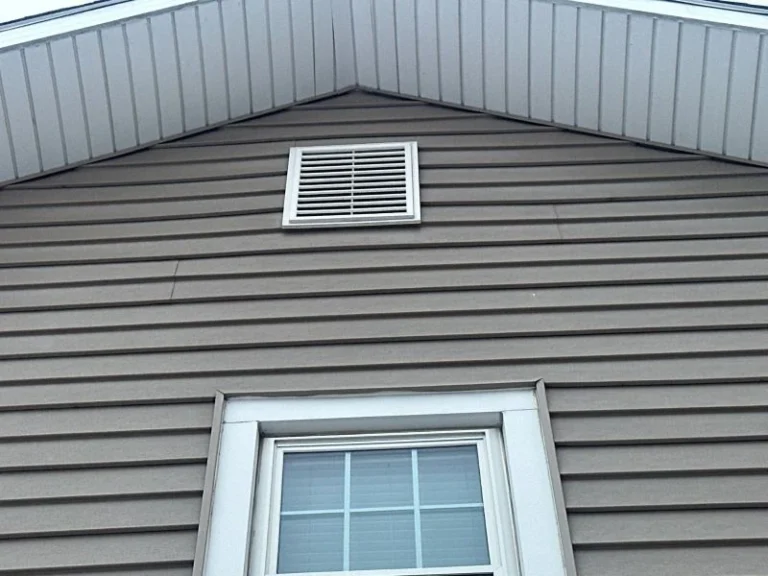
Attic ventilation is designed to remove heat and moisture-laden air from the attic while drawing in drier replacement air. A balanced ventilation approach typically uses intake vents at the soffits and exhaust at the ridge, roof vents, or gable vents. Proper airflow reduces humidity spikes and helps dry incidental moisture before it becomes a long-term issue.
However, ventilation cannot fix strong indoor air leakage. If humid air is pouring into the attic from below, vents may not keep up, especially during cold snaps when the roof deck stays cold and becomes a condensation surface. Ventilation is a supporting tool, not a stand-alone cure.
Ventilation also must be installed correctly. Intake pathways must remain open, and insulation should not block soffit vents. This is where baffles or rafter vents are essential, keeping a clear air channel from soffit to the attic space.
How Insulation and Ventilation Work Together for Attic Mold Prevention
The healthiest attics rely on a deliberate partnership:
- Insulation reduces temperature swings and keeps the ceiling plane stable.
- Air sealing blocks moisture movement from the living space.
- Ventilation removes residual moisture and heat, supporting drying.
When these components align, we minimize the conditions that allow mold to form. If one component is missing, the others have to work harder, often unsuccessfully. For example, heavy ventilation with poor air sealing can actually draw more conditioned air from the home into the attic, increasing energy loss and sometimes increasing moisture load. In contrast, strong air sealing and insulation with no ventilation can trap incidental moisture, especially after roof leaks or seasonal humidity spikes.
A systems approach is the most reliable route to attic mold prevention and long-term attic moisture control.
Signs Your Attic Has a Moisture Problem
We take moisture symptoms seriously because they often indicate a hidden pathway that will worsen over time. Look for:
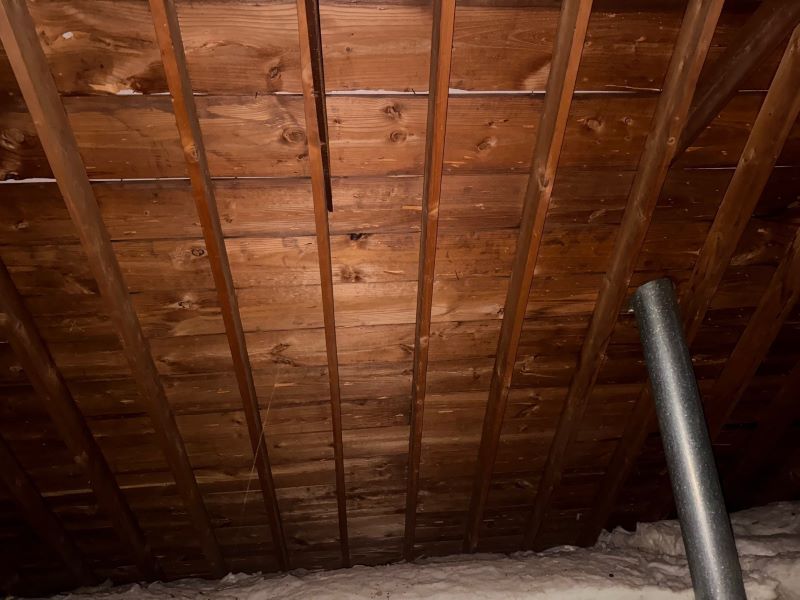
- Dark staining or fuzzy growth on rafters or roof sheathing
- Rusted nail tips protruding through the roof deck
- Wet or clumped insulation
- A musty odor near attic access points
- Peeling paint or bubbling drywall on upper ceilings
- Bath fans that terminate in the attic instead of outdoors
- Ductwork dripping or showing water stains
Even one of these signs can suggest persistent attic moisture or recurring condensation in attic zones.
Numbered Action Plan: Practical Attic Moisture Control Steps
- Seal ceiling penetrations before adding or adjusting insulation.
We start by closing the pathways that carry humid air into the attic: wiring holes, plumbing stacks, recessed fixtures, and the attic hatch. Air sealing reduces moisture transport far more effectively than adding vents alone. When we stop the airflow, we also protect insulation performance and reduce cold-surface condensation potential. This first step is the backbone of effective attic moisture control, because it limits how much humidity reaches the attic in the first place. - Confirm bathroom and kitchen exhaust fans vent outdoors, not into the attic.
Exhaust fans are designed to move moisture out of the home, but if the duct terminates in the attic, it delivers concentrated humidity directly into a cold space. That can cause rapid condensation in attic areas, especially near roof sheathing. We verify tight duct connections, insulate ducts where needed, and confirm proper exterior terminations with a damper. This step supports attic mold prevention by removing a major, often overlooked moisture source. - Verify insulation depth, coverage, and continuity across the entire attic floor.
Insulation should be even, uncompressed, and free of gaps. We pay special attention to edges and corners, around chimneys (with proper clearance), and near eaves where wind washing can reduce effectiveness. Consistent insulation keeps ceiling surfaces warmer and reduces the number of cold spots where moisture can condense. Strong coverage also improves comfort and lowers energy use, while indirectly reducing the moisture drive that contributes to attic moisture issues. - Protect soffit intake airflow with baffles and keep vents unobstructed.
If insulation blocks soffit vents, the attic can become a stagnant, humid space. We install baffles to maintain an open air channel from soffit to attic, ensuring intake air reaches the upper attic zone. With balanced intake and exhaust, ventilation can remove residual humidity and support drying after seasonal changes or minor moisture events. This step is most effective after air sealing, creating a stable platform for ongoing attic moisture control. - Evaluate ventilation balance and exhaust strategy based on your roof design.
Ridge-and-soffit systems often perform well when installed correctly, but roof geometry matters. Hip roofs, complex rooflines, and low-slope areas may need additional exhaust vents in specific zones to prevent dead air pockets. We avoid mixing incompatible vent types that can short-circuit airflow. The goal is controlled movement from intake to exhaust, reducing humidity and heat accumulation that can feed attic mold prevention failures. - Control indoor humidity levels and manage moisture at the source.
Attics are affected by what happens below them. We reduce moisture generation by using bath fans during and after showers, venting clothes dryers outdoors, fixing plumbing leaks promptly, and maintaining appropriate indoor humidity. In humid regions, targeted dehumidification can help. When indoor air carries less water vapor, less moisture is available to become condensation in attic areas. This step strengthens the entire home system and improves overall indoor air quality. - Inspect for roof leaks, flashing issues, and wet materials that prevent drying.
Not all moisture comes from the house. Roof leaks, failed flashing, and wind-driven rain can wet roof decking and insulation. We look for staining patterns, damp insulation, and water trails near penetrations like vents and chimneys. We also confirm that attic materials can dry by avoiding unnecessary vapor traps. Fixing external water entry prevents recurring attic moisture conditions and reduces the risk of structural damage that can escalate repair costs.
Common Mistakes That Make Attic Moisture Worse
Some quick fixes unintentionally amplify moisture issues:
- Adding insulation without sealing air leaks, which still allows humid air to reach cold roof surfaces.
- Blocking soffit vents with insulation, eliminating intake airflow.
- Venting bath fans into the attic, creating concentrated humidity plumes.
- Using powerful attic fans that depressurize the attic and pull conditioned air upward through ceiling leaks.
- Storing porous items in a damp attic, which can harbor odor and mold spores.
Avoiding these errors supports consistent attic moisture control and long-term performance.
Special Considerations: Spray Foam, Finished Attics, and Unvented Roofs
Some homes use unvented roof assemblies, often with spray foam applied to the underside of the roof deck. When designed correctly, these assemblies can work because the attic becomes part of the conditioned envelope. However, the rules change: we rely on air tightness and correct insulation thickness to keep roof surfaces warm enough to avoid condensation.
Finished attics and cathedral ceilings need careful detailing because ventilation channels can be limited. In these cases, we focus on continuous insulation like fiberglass insulation, robust air sealing, and moisture management strategies appropriate to the roof assembly. The right approach depends on climate, roof design, and how the space is used.
FAQs About Attic Moisture and Mold
What is the biggest cause of attic moisture in most homes?
The most common driver of attic moisture is warm, humid indoor air leaking upward through gaps in the ceiling plane. Small openings around lights, vents, wiring, and attic access points add up quickly. When that humid air meets colder roof decking or framing, condensation in attic areas can form. Air sealing typically provides the fastest improvement because it addresses the primary transport mechanism for moisture.
Can adding more vents alone solve condensation in attic spaces?
Ventilation helps remove moisture, but it rarely solves condensation in attic problems on its own if humid air is leaking from below. If the attic is being fed a steady stream of moisture, vents may not keep up, especially during cold weather when surfaces stay cold. For reliable attic moisture control, we pair ventilation with air sealing and correct insulation so moisture entry is reduced and drying potential improves.
How do we know if we need more insulation or better air sealing?
We look for uneven insulation depth, visible gaps, and signs of air movement such as dirty insulation patterns near penetrations. If insulation is adequate but moisture persists, air leakage is often the culprit. In many cases, both improvements are needed: air sealing to stop humidity transport and insulation to stabilize temperatures. This combination is central to attic mold prevention and long-term energy performance.
What role does indoor humidity play in attic mold prevention?
Indoor humidity directly affects the amount of water vapor available to migrate into the attic. Long showers, poor fan use, unvented dryers, and damp basements can push indoor humidity high enough that even minor leaks cause issues. Lowering humidity reduces the likelihood of attic moisture accumulation and limits the frequency and severity of condensation in attic conditions, which helps prevent mold from gaining a foothold.
What should we do if we already see mold in the attic?
We address it in two parts: correct the moisture source and remediate the affected surfaces appropriately. Mold growth indicates that attic moisture control has been failing for a while, so we focus on air sealing, ventilation balance, and insulation alignment. Depending on the extent, professional remediation may be necessary. After cleanup, we verify that humidity and airflow conditions support drying so the problem does not return.
A Final Word on Keeping Your Attic Dry and Durable
When we treat the attic as a system, we stop chasing symptoms and start delivering durable results. Air sealing reduces moisture transport, insulation stabilizes temperatures, and ventilation supports drying, creating the conditions needed for reliable attic mold prevention and consistent comfort. If we want an attic that stays clean, efficient, and structurally sound through every season, we align these components and maintain them over time. For homeowners looking for insulation services in Kalamazoo and surrounding areas, this system-based approach ensures improvements are not only noticeable immediately, but also remain effective long after installation. That is the standard we pursue at Worthy Construction LLC.






Trustindex verifies that the original source of the review is Google. Highest praise for all of Worthy Construction. Fantastic service, advice and attention. Full roof installation plus gutters. They kept us informed about everything happening and were done on time. Efficient, quality, professional work. Highly recommended.Trustindex verifies that the original source of the review is Google. Worthy Construction replaced our roof, gutters, and repaired our front steps. Khari was professional start to finish, from taking the time to understand what we were hoping to achieve, preparing and presenting his estimate, and all the way through to his final walk through. Great communication, quality materials and work, and great crews! I recommend Worthy Construction to anyone looking for a high quality local contractor!Trustindex verifies that the original source of the review is Google. Worthy construction Did an amazing job on my roof very fast and reliable I highly recommend his services He helped us out And I appreciate it Definitely deserve 5 stars thanks again Worthy ConstructionTrustindex verifies that the original source of the review is Google. Was a great experience, excellent customer service. Work was completed in a very timely manner. Would recommend their services to anyone.Trustindex verifies that the original source of the review is Google. Worthy Construction just replaced my roof, skylights, and gutters. I live out of town and selling my parent's house so this company came through a personal referral. Khari and team were such a joy to work with. He answered my questions, kept me updated on progress, did everything he said he was going to do, and met all of commitments on time. It's not easy to know what's happening while living out of town and I appreciate Khari's communication skills, timeliness, and overall this has been an amazing experience! I highly recommend Worth Construction!!Trustindex verifies that the original source of the review is Google. Worthy Construction did an excellent job replacing our roof. They were very easy to work with throughout the entire process. They answered all of our questions promptly and delivered a great finished product. I’d highly recommend them for your roofing needs.Trustindex verifies that the original source of the review is Google. Very professional, great guy that will work with you. Highly recommended for sure. Mr. Worthy is very dependable! He completed our roof on time and as expected!Trustindex verifies that the original source of the review is Google. Greatest service ever! Super fast and did a fantastic job. I will definitely save them to do future jobs that need to be fixed. The greatest ever!Trustindex verifies that the original source of the review is Google. My roof was very damaged, I had a huge hole in my roof from constant tree debris and age. I didn’t have any expectations going in to the project but I was greatly impressed with the speed of service! The ten we done in 2 days! They cleaned up afterwards, the materials were great quality and . The team replaced my entire rooftop. Mr. Worthy was very respectful and responsive to my concerns regarding the project, I would certainly recommend his company to anyone looking for a new rooftop!Trustindex verifies that the original source of the review is Google. He was a pleasure to work with. They were prompt and professional the whole project. He kept me informed the whole process and his work was of the highest quality. They were very respectful of my and my neighbor's properties. I am very very happy with the work they did for me.