
How Attic Ventilation Helps Stop Winter Roof Problems
When winter settles in, your roof quietly becomes the front line between cozy indoor comfort and harsh outdoor weather. If that barrier is not protected with proper attic ventilation, small issues can quickly grow into leaks, mold, and expensive repairs. At Worthy Construction LLC, we help homeowners understand why their roofs struggle in cold weather and how the right attic ventilation for winter can stop problems before they start.
Why Winter Creates Unique Roof Ventilation Problems
Winter is tough on roofs because of one simple reality: warm air inside, freezing air outside.
Inside your home, heated air naturally rises into the attic. Without proper venting, that warm, moist air gets trapped. At the same time, the roof deck just above that attic is in direct contact with cold outdoor temperatures. This temperature clash leads to several serious roof ventilation problems:
- Ice dams forming along the eaves
- Condensation on the underside of the roof deck
- Mold growth and wood rot
- Shortened shingle life and premature roof failure
The goal of attic ventilation for winter is to keep the attic temperature closer to the outdoor temperature while moving moisture out. When done correctly, your roof can ride out winter in a much healthier, more stable condition.
How Attic Ventilation Actually Works
To understand why poor airflow causes so many attic venting issues, it helps to know what a good system looks like.
A properly designed attic ventilation system is balanced. That means it provides:
- Intake ventilation
Usually at the soffits or low on the roof. Fresh, cooler air is drawn into the attic here. - Exhaust ventilation
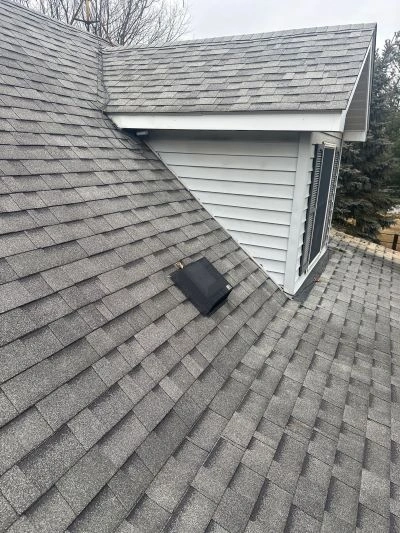
Usually at the ridge, roof vents, or gable vents. Warm, moist air naturally rises and exits at these high points.
This creates a continuous, gentle airflow path:
Cooler air in at the bottom → warmer air out at the top
When this airflow is uninterrupted and correctly sized, it helps:
- Keep roof temperatures more even
- Move moisture out of the attic
- Reduce the risk of ice dams and condensation
- Extend the life of shingles and roof framing
When the system is unbalanced or blocked, attic venting issues start to show up quickly, especially in cold weather.
How Attic Ventilation Prevents Ice Dams And Leaks
One of the most frustrating winter roof problems is the ice dam.
An ice dam forms when:
- Snow accumulates on the roof
- Warm air from the attic heats the roof deck
- The snow at the upper portion of the roof melts
- Meltwater runs down to the colder eaves
- Water refreezes along the edge, forming a “dam” of ice
Water then backs up behind that ice and can work under shingles, into the roof deck, and eventually into your home. The result is often:
- Stained ceilings
- Wet insulation
- Peeling paint and damaged drywall
- Hidden structural damage
Proper attic ventilation for winter helps minimize this problem by keeping the roof deck colder and more uniform in temperature. When the attic stays closer to outdoor temps:
- The snow melts slower and more evenly
- Less water runs down to refreeze at the eaves
- The risk of ice dams is dramatically reduced
Sometimes, homeowners still need professional ice dam removal after a major storm, but with the right ventilation and insulation strategy, those emergency visits become far less common.
Ventilation And Insulation: A Powerful Winter Protection Team
Ventilation alone is not the whole story. It works hand in hand with attic insulation to protect your roof and your home.
Here is how they support each other:
- Insulation keeps household heat inside your living spaces instead of letting it escape into the attic.
- Ventilation removes any heat and moisture that does make its way into the attic.
If you only have ventilation but poor insulating, too much heat will still enter the attic and warm the roof deck. If you only have thick insulation but no airflow, moisture can become trapped and condense on cold surfaces.
The ideal setup includes:
- Adequate insulation depth for your climate zone
- Continuous, unobstructed soffit vents for intake
- Ridge vents or properly sized roof vents for exhaust
- Baffles (vent chutes) that keep insulation from blocking soffit airflow
Together, these prevent the two biggest winter roof threats: ice and moisture.
Common Attic Venting Issues That Lead To Winter Damage
Many homes have roof ventilation problems that are invisible from the ground. You only see the results when something goes wrong.
Here are some of the most common attic venting issues:
1. Blocked Soffit Vents
Soffit vents are crucial for bringing cool air into the attic. Problems occur when:
- Insulation is packed tightly against the roof deck without baffles
- Paint, debris, or nesting pests block vent openings
- Vinyl or aluminum soffit panels are installed without enough vented sections
With intake choked off, exhaust vents cannot pull enough air through the attic, and hot, moist air lingers where it should not.
2. Too Little Exhaust Ventilation
If your attic has only a couple of small box vents or an undersized gable vent, that may not be enough exhaust capacity. In winter, this can lead to:
- Excess attic heat
- Condensation on roofing nails and framing
- Damp insulation that loses R value
Balanced airflow is key. Intake and exhaust must be matched for best performance.
3. Mixing Different Exhaust Systems Poorly
Some roofs have a combination of ridge vents, box vents, and gable vents all at once. When not planned properly, these can:
- Short circuit airflow
- Pull air from one vent directly into another
- Leave “dead zones” with poor circulation
This can create pockets of warm, moist air inside the attic that contribute to winter damage.
4. Bathroom Or Kitchen Fans Venting Into The Attic
Exhaust fans should always vent outside, not into the attic. When they terminate in the attic:
- Warm, humid air is dumped directly under the roof deck
- Moisture condenses on cold wood and nails
- Mold and rot can develop surprisingly fast
In winter, that extra moisture load greatly increases the risk of rot and musty odors.
Signs Your Home Has Winter Roof Ventilation Problems
While every home is unique, some general best practices can dramatically reduce winter roof problems:
1. Aim For Balanced Intake And Exhaust
A healthy system usually provides at least as much intake as exhaust. Many roofs work best when:
- Intake vents run along most of the soffits
- Exhaust vents are continuous along the ridge
This promotes smooth airflow from eave to ridge, sweeping moisture out as it rises.
2. Ensure Vents Are Not Blocked
Even the best designed system fails if airflow is blocked. Good practice includes:
- Installing baffles (vent chutes) along the eaves where insulation meets the roof deck
- Keeping soffit grills clear of paint build-up and debris
- Making sure insulation is not stuffed tightly into the eave space
3. Do Not Vent Into The Attic
Bathroom, kitchen, and dryer vents should never discharge into the attic. They must be:
- Ducted to the exterior through a wall or roof
- Properly sealed and insulated to prevent condensation inside the duct
4. Avoid Oversized Or Misplaced Vents
More vents are not always better. Poorly located or mismatched vents can:
- Interrupt proper air movement
- Allow snow infiltration in high-wind areas
- Create weak spots in the roof deck
A strategic plan is far more effective than randomly adding vents.
5. Work With The Right Roof And Attic Layout
Homes with complex rooflines, cathedral ceilings, or low-slope sections require careful planning. What works for a simple gable roof might not work for:
- Multiple intersecting roof planes
- Hip roofs with short ridge lines
- Attics divided by framing or storage platforms
In these cases, expert design is especially important.
Why Professional Help Matters For Winter Roof Protection
DIY fixes sometimes help, but attic ventilation for winter is a system that affects your roof, structure, insulation, airflow, and comfort all at once. Getting one piece wrong can lead to hidden damage that costs far more later.
A qualified contractor can:
- Evaluate your existing intake and exhaust vents
- Identify subtle attic venting issues that are easy to miss
- Recommend the right combination of vents, baffles, and air sealing
- Coordinate improvements with insulation upgrades and roof repairs
- Make sure bathroom and kitchen fans are properly routed outdoors
Whether you need targeted upgrades or a full roof and attic overhaul, it pays to get a holistic plan instead of quick patchwork.
Frequently Asked Questions About Winter Attic Ventilation
1. Why is attic ventilation for winter different from summer ventilation?
The basic system is the same year round, but winter brings unique challenges. In cold weather, warm indoor air rises and carries moisture into the attic. If that moisture is trapped, it condenses on cold surfaces and can freeze. Proper winter attic ventilation focuses on maintaining a consistent roof deck temperature and quickly removing moist air. This helps prevent ice dams, reduces condensation, and protects insulation and structural components from long term damage.
2. Can I add attic vents myself to fix attic venting issues?
Some homeowners can safely clear blocked soffit vents or add simple baffles, but adding or altering roof vents is more complex. Incorrect placement or unbalanced intake and exhaust can actually worsen attic venting issues, drawing more warm air into the attic or creating dead zones where moisture collects. Cutting into the roof deck also carries risk if flashing is not installed correctly. For new vents or major changes, professional design and installation are strongly recommended.
3. How do I know if my roof has enough ventilation for winter?
Roof ventilation needs are calculated based on attic size, roof design, and local climate. While rules of thumb exist, they rarely account for complex rooflines, cathedral ceilings, or blocked vents. Signs such as ice dams, frost in the attic, mold, or uneven indoor temperatures are strong clues that your current system is inadequate. A professional inspection can measure current venting, evaluate moisture patterns, and recommend a balanced combination of intake and exhaust tailored to your home.
4. Will improving attic ventilation reduce my heating bills?
Yes, when combined with proper insulation and air sealing. Ventilation alone does not stop heat loss, but it supports a system where warm air stays inside the living space and the attic remains cooler and drier. By sealing air leaks and upgrading insulation, the heating system works more efficiently. Ventilation then removes any residual heat and moisture that still reaches the attic. Together, these improvements reduce energy waste, protect the roof, and often lower winter utility costs noticeably.
5. When should I call a professional about roof ventilation problems?
You should contact a professional as soon as you see repeated ice dams, attic frost, mold growth, brown ceiling stains, or signs of wood rot. These conditions mean roof ventilation problems have already begun to affect your home’s structure and interior finishes. Early intervention can often repair damage and rebalance the system at a lower cost. Waiting usually allows issues to compound through several winters, leading to more extensive and expensive repairs, or even the need for full roof replacement.
Protect Your Roof This Winter With Trusted Local Experts
Winter should not be the season you worry about leaks, ice buildup, or mold overhead. With the right attic ventilation for winter, your roof works more efficiently, your home stays more comfortable, and your heating bills can be easier to manage. If you are seeing ice ridges, damp attic framing, or other roof ventilation problems, it is time to get a professional opinion. From strategic vent improvements to moisture control, Worthy Construction LLC can help you design a smarter system that protects your home season after season, including specialized ice dam removal, upgraded attic insulation, comprehensive roofing services, and energy conscious insulation services tailored to your property.





Trustindex verifies that the original source of the review is Google. Highest praise for all of Worthy Construction. Fantastic service, advice and attention. Full roof installation plus gutters. They kept us informed about everything happening and were done on time. Efficient, quality, professional work. Highly recommended.Trustindex verifies that the original source of the review is Google. Worthy Construction replaced our roof, gutters, and repaired our front steps. Khari was professional start to finish, from taking the time to understand what we were hoping to achieve, preparing and presenting his estimate, and all the way through to his final walk through. Great communication, quality materials and work, and great crews! I recommend Worthy Construction to anyone looking for a high quality local contractor!Trustindex verifies that the original source of the review is Google. Worthy construction Did an amazing job on my roof very fast and reliable I highly recommend his services He helped us out And I appreciate it Definitely deserve 5 stars thanks again Worthy ConstructionTrustindex verifies that the original source of the review is Google. Was a great experience, excellent customer service. Work was completed in a very timely manner. Would recommend their services to anyone.Trustindex verifies that the original source of the review is Google. Worthy Construction just replaced my roof, skylights, and gutters. I live out of town and selling my parent's house so this company came through a personal referral. Khari and team were such a joy to work with. He answered my questions, kept me updated on progress, did everything he said he was going to do, and met all of commitments on time. It's not easy to know what's happening while living out of town and I appreciate Khari's communication skills, timeliness, and overall this has been an amazing experience! I highly recommend Worth Construction!!Trustindex verifies that the original source of the review is Google. Worthy Construction did an excellent job replacing our roof. They were very easy to work with throughout the entire process. They answered all of our questions promptly and delivered a great finished product. I’d highly recommend them for your roofing needs.Trustindex verifies that the original source of the review is Google. Very professional, great guy that will work with you. Highly recommended for sure. Mr. Worthy is very dependable! He completed our roof on time and as expected!Trustindex verifies that the original source of the review is Google. Greatest service ever! Super fast and did a fantastic job. I will definitely save them to do future jobs that need to be fixed. The greatest ever!Trustindex verifies that the original source of the review is Google. My roof was very damaged, I had a huge hole in my roof from constant tree debris and age. I didn’t have any expectations going in to the project but I was greatly impressed with the speed of service! The ten we done in 2 days! They cleaned up afterwards, the materials were great quality and . The team replaced my entire rooftop. Mr. Worthy was very respectful and responsive to my concerns regarding the project, I would certainly recommend his company to anyone looking for a new rooftop!Trustindex verifies that the original source of the review is Google. He was a pleasure to work with. They were prompt and professional the whole project. He kept me informed the whole process and his work was of the highest quality. They were very respectful of my and my neighbor's properties. I am very very happy with the work they did for me.