
The Real Reason Your Upstairs Rooms Are So Cold in Winter
At Worthy Construction LLC, we hear the same concern every winter: families love their homes, yet they dread stepping into an icy second floor while the main level feels comfortable or even overheated. If you are dealing with cold upstairs in winter, you are not imagining it, and you are not alone. This frustrating pattern is one of the most common comfort complaints in multi-story homes.
Why “Cold Upstairs in Winter” Happens So Often
When homeowners describe uneven heat in house, they are usually experiencing a combination of air movement issues, insulation gaps, and HVAC distribution problems. The second floor is often more exposed to the outside through attic planes, knee walls, dormers, and older window assemblies. At the same time, the heating system may be delivering air unevenly due to duct layout, return limitations, or poor balancing.
The result is a predictable comfort mismatch: downstairs stays stable, while the upstairs loses heat faster than it receives it.
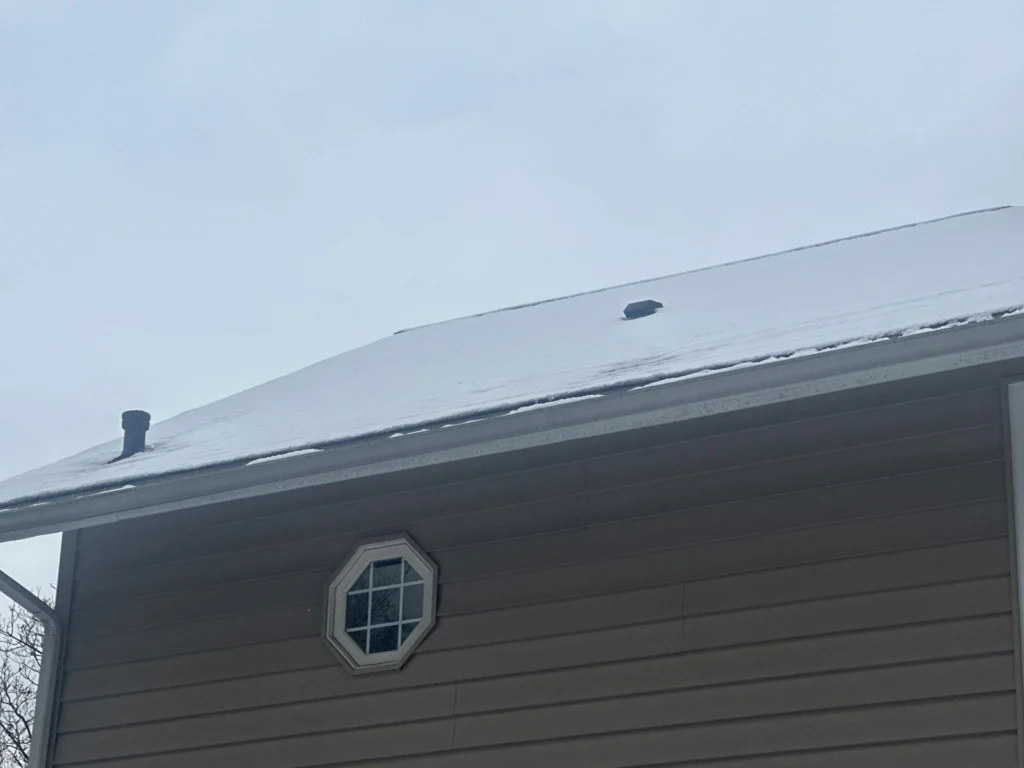
The Hidden Driver: Heat Loss Through the Attic and Roofline
In many homes, the most significant reason a drafty second floor persists is not the furnace itself. It is the attic boundary. Even a strong heating system struggles when warm air is escaping above the ceiling line.
Common attic-related issues include:
- Insulation that is too thin for the climate
- Compressed insulation that has lost performance
- Gaps around penetrations such as wiring, plumbing stacks, and exhaust vents
- Unsealed attic hatches that leak like open windows
- Poorly insulated knee walls in Cape Cod or story-and-a-half designs
Because upstairs rooms are closest to the attic, they feel the impact first. This is one of the simplest explanations for cold upstairs in winter that still surprises homeowners.
Air Leaks That Turn a Second Floor Into a Wind Tunnel
Even with adequate insulation, air sealing is what keeps heated air where it belongs. Many homes suffer from subtle leakage paths that create a persistent drafty second floor.
We frequently find air loss in:
- Recessed lighting cans that vent into attic space
- Top plates where framing meets roof assemblies
- Chimney and flue chases with no proper blocking
- Bath fan housings that are not sealed at the ceiling plane
- Old construction joints that have opened over time
These leaks allow warm air to escape and cold air to intrude. The upstairs feels chilled not just because heat is missing, but because moving air makes the body feel colder even at the same thermostat setting.
The Stack Effect and Pressure Imbalance
A major contributor to uneven heat in house is the stack effect. In winter, warm air rises. If upper levels are leaky, that rising warm air exits the home. This upward escape creates a suction-like pull at lower levels that draws in cold outside air.
This cycle causes two problems at once:
- The upstairs loses heated air quickly.
- The whole house becomes harder to heat efficiently.
The frustrating irony is that you can still feel cold upstairs in winter even though warm air naturally wants to rise. The reason is simple: it rises, then it leaks out.
Ductwork That Was Never Designed for Real-World Living
Many multi-story homes have duct systems that look fine on paper but struggle in practice. If you have one thermostat controlling two floors, the heating system may satisfy the downstairs temperature first. Once that thermostat is satisfied, the system shuts off before the upstairs reaches comfort.
Common duct-related causes of a drafty second floor include:
- Long duct runs that lose heat before air reaches the registers
- Undersized supply lines serving upstairs bedrooms
- Leaky duct joints in attics or wall chases
- Poorly placed registers that fail to wash exterior walls
- Crushed or kinked flexible ducts limiting airflow
This is a major reason homeowners experience uneven heat in house even after upgrading the furnace.
The Quiet Problem of Inadequate Return Air
Supply air is only half the equation. Without strong return air pathways, upstairs rooms can become pressurized when doors are closed, reducing supply airflow and causing temperature swings.
Signs of return-air issues include:
- Bedrooms that are colder than hallways
- Noticeable pressure when closing doors
- Whistling or rattling at registers
- Upstairs temperatures that fluctuate room to room
Adding or improving returns often delivers a dramatic improvement in cold upstairs in winter complaints.
Windows and Exterior Walls on the Second Floor
Older windows and thinner wall assemblies upstairs can amplify discomfort. Even when the air temperature is technically acceptable, cold glass and under-insulated exterior walls create a radiant chill that makes rooms feel much colder than the thermostat suggests.
Key culprits:
- Single-pane or early-generation double-pane windows
- Worn weatherstripping around sashes
- Uninsulated wall cavities in older homes
- Poorly sealed trim around window frames
This is why a drafty second floor is often a building-envelope problem more than a heating-equipment problem.
Stairwells and Open-Plan Layouts That Steal Heat
Some homes lose control of heat distribution because of layout. Large stairwells, two-story foyers, and open-plan living areas can disrupt airflow and create temperature stratification.
In these setups:
- Warm air may collect in high ceiling volumes.
- Bedrooms can be left with less circulating heat.
- The thermostat location becomes more influential than the actual room needs.
If your home has a dramatic open interior, it can intensify uneven heat in house and make your upstairs feel chronically under-heated.
How We Fix “Uneven Heat in House” the Right Way
A lasting solution is usually a layered strategy that addresses the building shell and the mechanical system together. Tackling only one side often produces limited improvement.
1. Prioritize Air Sealing Before Adding Insulation
Air sealing strengthens the performance of any insulation upgrade. We focus on:
- Attic penetrations
- Top plate sealing
- Recessed light protection
- Hatch and pull-down stair sealing
This single step can reduce the sensation of a drafty second floor in a noticeable, immediate way.
2. Upgrade Attic and Knee Wall Insulation
Targeted improvements include:
- Bringing attic insulation to modern recommended levels
- Installing proper baffles for ventilation
- Creating continuous insulation on knee walls
- Ensuring attic access areas are insulated and gasketed
This is one of the most reliable building-envelope fixes for cold upstairs in winter.
3. Assess and Seal Duct Systems
We commonly recommend:
- Sealing joints with mastic
- Replacing damaged flex duct
- Improving or resizing select runs
- Insulating ductwork in unconditioned zones
Even modest duct corrections can help resolve uneven heat in house without full system replacement.
4. Rebalance Airflow and Optimize Registers
Balancing involves:
- Adjusting dampers
- Confirming airflow measurements
- Ensuring supply placement supports exterior walls
- Checking that returns are functional and sufficient
This is especially critical for homes where the second floor was added later or remodeled.
5. Consider Smart Zoning or a Dedicated Upstairs System
For persistent issues, zoning is often the most comfort-forward option. With a separate thermostat and controlled dampers, the system can deliver heat where it is needed most.
In some cases, a dedicated upstairs unit or ductless mini-split adds targeted heating without forcing the entire home to overheat.
This approach is ideal when your family is tired of battling cold upstairs in winter year after year.
Quick Homeowner Actions That Can Help Right Now
While comprehensive fixes are best, small changes can reduce discomfort:
- Keep interior doors open to improve airflow.
- Replace worn window weatherstripping.
- Use insulated curtains at night.
- Confirm attic hatches are sealed.
- Ensure vents are not blocked by furniture.
- Set ceiling fans to winter mode at low speed.
These steps will not fully solve a structural or duct design problem, but they often soften the worst effects of a drafty second floor.
What a Proper Evaluation Should Cover
When we evaluate second-floor comfort complaints, we look for clear cause-and-effect patterns:
- The integrity of the thermal envelope
- Evidence of air leakage
- The state of attic insulation
- Duct sizing, layout, and leakage
- Return-air adequacy
- Thermostat placement and control strategy
This holistic view prevents expensive missteps, such as replacing a furnace that was never the true source of uneven heat in house.
FAQs: Cold Upstairs in Winter
Why are my upstairs rooms so cold in winter?
Upstairs rooms often feel colder because heat loss is greatest near the attic and roofline. Air leaks, insufficient insulation, and uneven HVAC airflow can combine to create major comfort gaps on the second floor.
Can attic insulation really fix uneven heat in a house?
Yes. Strengthening attic insulation and air sealing reduces heat escaping from the upper level. Because the second floor is closest to the attic boundary, improvements there can significantly reduce temperature imbalance.
What makes a second floor feel drafty even when the heat is on?
A drafty second floor is usually caused by air leakage around ceiling penetrations, attic access points, older windows, or poorly sealed wall transitions. Moving cold air makes rooms feel colder even when the thermostat reads a normal temperature.
Do HVAC returns affect cold upstairs bedrooms?
They do. Weak or missing return air pathways can reduce supply airflow to bedrooms, especially with doors closed. Improving return strategy can stabilize upstairs temperatures and reduce room-to-room variation.
A Warmer Second Floor Is Achievable
If your upstairs has been chronically uncomfortable, the path forward is rarely mysterious. The most common combination behind cold upstairs in winter is heat loss through the attic, uncontrolled air leakage, and HVAC distribution limitations. Addressing these in the right order transforms not just your second floor, but the entire home’s energy performance and daily livability.
At Worthy Construction LLC, we approach second-floor comfort with a whole-home mindset, combining envelope improvements and mechanical corrections to eliminate the root causes of a drafty second floor and finally resolve uneven heat in house for long-term, reliable winter comfort. When appropriate, we may recommend targeted insulation services to strengthen the attic and wall boundaries, along with a replacement window upgrade in key rooms to reduce drafts and improve overall thermal stability.






Trustindex verifies that the original source of the review is Google. Highest praise for all of Worthy Construction. Fantastic service, advice and attention. Full roof installation plus gutters. They kept us informed about everything happening and were done on time. Efficient, quality, professional work. Highly recommended.Trustindex verifies that the original source of the review is Google. Worthy Construction replaced our roof, gutters, and repaired our front steps. Khari was professional start to finish, from taking the time to understand what we were hoping to achieve, preparing and presenting his estimate, and all the way through to his final walk through. Great communication, quality materials and work, and great crews! I recommend Worthy Construction to anyone looking for a high quality local contractor!Trustindex verifies that the original source of the review is Google. Worthy construction Did an amazing job on my roof very fast and reliable I highly recommend his services He helped us out And I appreciate it Definitely deserve 5 stars thanks again Worthy ConstructionTrustindex verifies that the original source of the review is Google. Was a great experience, excellent customer service. Work was completed in a very timely manner. Would recommend their services to anyone.Trustindex verifies that the original source of the review is Google. Worthy Construction just replaced my roof, skylights, and gutters. I live out of town and selling my parent's house so this company came through a personal referral. Khari and team were such a joy to work with. He answered my questions, kept me updated on progress, did everything he said he was going to do, and met all of commitments on time. It's not easy to know what's happening while living out of town and I appreciate Khari's communication skills, timeliness, and overall this has been an amazing experience! I highly recommend Worth Construction!!Trustindex verifies that the original source of the review is Google. Worthy Construction did an excellent job replacing our roof. They were very easy to work with throughout the entire process. They answered all of our questions promptly and delivered a great finished product. I’d highly recommend them for your roofing needs.Trustindex verifies that the original source of the review is Google. Very professional, great guy that will work with you. Highly recommended for sure. Mr. Worthy is very dependable! He completed our roof on time and as expected!Trustindex verifies that the original source of the review is Google. Greatest service ever! Super fast and did a fantastic job. I will definitely save them to do future jobs that need to be fixed. The greatest ever!Trustindex verifies that the original source of the review is Google. My roof was very damaged, I had a huge hole in my roof from constant tree debris and age. I didn’t have any expectations going in to the project but I was greatly impressed with the speed of service! The ten we done in 2 days! They cleaned up afterwards, the materials were great quality and . The team replaced my entire rooftop. Mr. Worthy was very respectful and responsive to my concerns regarding the project, I would certainly recommend his company to anyone looking for a new rooftop!Trustindex verifies that the original source of the review is Google. He was a pleasure to work with. They were prompt and professional the whole project. He kept me informed the whole process and his work was of the highest quality. They were very respectful of my and my neighbor's properties. I am very very happy with the work they did for me.