
Granule Loss on Shingles: What’s Normal vs What’s a Warning Sign
Granules are the small, gritty particles embedded on the surface of asphalt shingles, and they are far more than cosmetic. At Worthy Construction LLC, we treat granule condition as a primary indicator of roof health, because it reflects how well shingles are resisting sunlight, weather, and physical wear. When homeowners notice granules in gutters or on the ground, the immediate question is whether the loss is routine aging or a signal that the roof is approaching failure.
What Roof Granules Do and Why They Matter
Roof granules perform several critical roles that directly affect performance and lifespan. They shield asphalt from ultraviolet exposure, which slows drying and cracking. They add fire resistance and improve traction for water runoff. They also protect the shingle mat from heat cycling, wind driven rain, and minor impact. Without adequate granules, shingles absorb more heat, age faster, and become brittle. Over time, this progression can turn early shingle granule loss into broader asphalt shingle deterioration that compromises the entire roofing system.
What Counts as “Normal” Shingle Granule Loss
Some granule shedding is expected, especially under specific conditions. “Normal” loss is typically gradual and limited, and it does not expose widespread dark patches across the roof.
Common situations where granules in small amounts are normal:
- New roof settling: Fresh shingles often release loose granules from manufacturing and transport. It is common to see extra granules in gutters during the first few rain cycles. The key is that this should stabilize, not steadily worsen month after month.
- Seasonal weather shifts: Freeze thaw cycles and heavy downpours can dislodge a small number of granules. If we see only light accumulation and the shingle surface still looks evenly coated, it is usually routine aging.
- Occasional foot traffic: Limited, careful walking for maintenance can scuff a few granules. Normal scuffing is small and localized, not repeated across multiple roof planes.
A helpful benchmark is whether the roof still looks uniform from the street. Minor granules in downspouts are not automatically alarming. What matters is the pattern, the rate, and whether loss is paired with other deterioration symptoms.
The Early Warning Signs We Take Seriously
Certain visual cues indicate the roof is losing its protective layer faster than expected. These conditions often accelerate heat damage, water intrusion risk, and wind uplift vulnerability.
Bald Spots and Exposed Asphalt
When we see bald spots on shingles, we treat them as a high priority inspection item. Balding appears as darker, smoother areas where the protective mineral layer has thinned or disappeared. A few tiny specks are different from larger patches that repeat across a slope. Exposed asphalt heats up, oxidizes rapidly, and becomes prone to cracking. If bald spots appear in clusters or along the same exposure line, we often suspect a systemic issue such as defective shingles, persistent overheating, or repeated impact damage.
Uneven “Streaks” of Wear
If granule loss follows a line, such as a horizontal band, it can point to water flow concentration, improper drainage, or manufacturing inconsistencies. If it appears in vertical streaks below roof penetrations, it may reflect overflow patterns or localized abrasion from debris. Repeated channels of runoff can grind away the surface over time, especially when gutters are clogged and water cascades rather than drains smoothly.
Cracking, Curling, or Missing Tabs
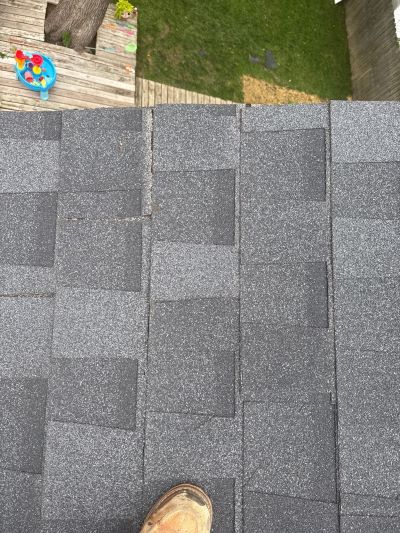
Granule loss rarely occurs alone when the roof is in serious decline. If granules are shedding and shingles also show curling edges, cracking, or missing tabs, we consider the condition more than cosmetic. These combined symptoms suggest advancing asphalt shingle deterioration and an elevated chance of leaks, especially around valleys, flashing, and roof transitions.
Top Causes of Accelerated Granule Loss
Understanding why granules are disappearing helps us choose the right fix instead of guessing. Below are the most common drivers we evaluate.
Age and UV Exposure
As shingles age, the asphalt binder hardens and loses flexibility. Granules are held in place by the asphalt coating, so when that coating becomes brittle, granules shed more easily. South facing roof planes typically degrade faster due to higher UV load and higher surface temperatures.
Storm Impact: Hail and Wind Driven Debris
Hail can knock granules loose in a way that looks like scattered pockmarks. Wind driven debris can create scuffs and impact points that later spread. After storms, we look for consistent patterns across slopes and test suspect areas for brittleness.
Poor Attic Ventilation and Heat Buildup
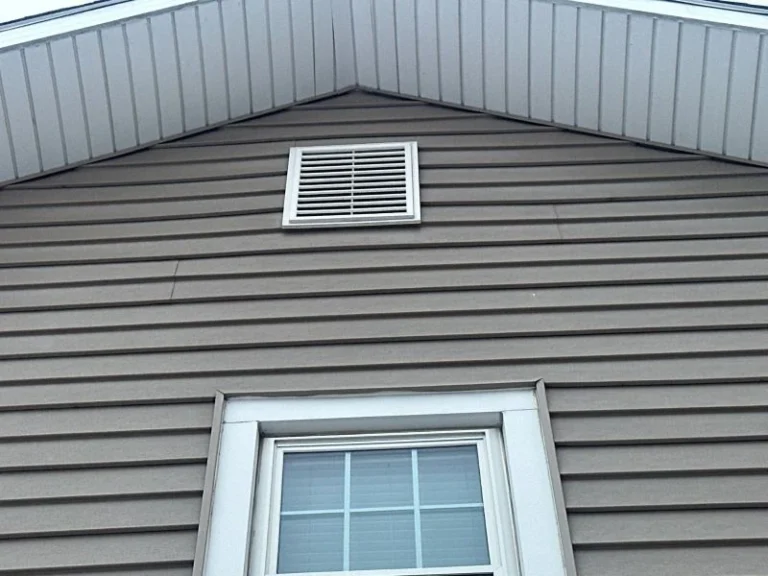
Excessive attic heat can “cook” shingles from beneath, speeding oxidation and loosening granules. When ventilation is inadequate, shingles run hotter, the asphalt dries out faster, and granules release sooner. This is one of the most overlooked contributors to premature shingle granule loss.
Improper Installation or Material Defects
Incorrect nailing, poor alignment, or overdriven fasteners can stress shingles and weaken granule bonding. Material defects can also lead to widespread shedding earlier than expected. When loss appears across broad areas in a relatively young roof, we investigate whether it aligns with a known product issue, installation error, or both.
Moss, Algae, and Organic Debris
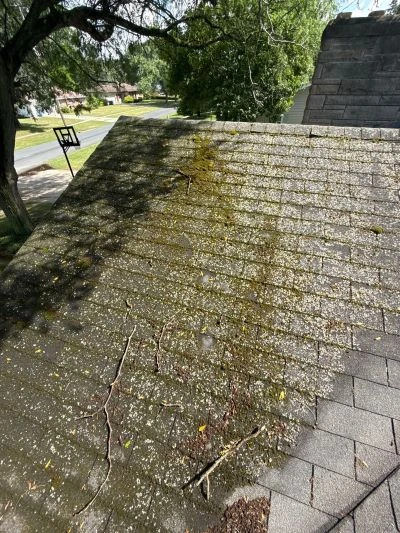
Moss retains moisture and can lift shingle edges, causing granules to dislodge during drying cycles. Debris like wet leaves and pine needles create abrasive movement in wind and encourage moisture retention. Over time, this contributes to uneven wear and localized balding.
How We Differentiate Normal Wear From a Roofing Problem
A reliable assessment is more than counting granules in a gutter. We evaluate condition across the roof system, because granule loss is often the symptom, not the root cause.
We look at:
- Distribution: Is the loss localized near valleys, eaves, and penetrations, or is it spread evenly across the entire roof?
- Severity: Are there isolated scuffs, or are there visible patches of exposed asphalt?
- Supporting symptoms: Are shingles curling, cracking, lifting, or showing soft spots?
- Interior indicators: Do we see attic moisture, staining, or ventilation deficiencies that correlate with roof plane damage?
When these factors point to advanced wear, we shift from monitoring to planning corrective action.
Practical Inspection Steps We Recommend
- Check gutters and downspouts after heavy rain. We recommend inspecting the gutter line for granule buildup and noting whether accumulation is light, moderate, or heavy. A small amount can be normal, especially after a new installation or a severe storm. Heavy deposits that return repeatedly may signal rapid surface breakdown. We also check for clogs, because backed up water increases roof edge exposure and can worsen wear at eaves and fascia points.
- Scan roof planes for color changes and texture shifts. From the ground, we look for dull, dark areas that contrast with surrounding shingles. Texture matters as much as color. Healthy shingles look evenly granular, while failing shingles can appear smoother in patches. If those patches align across multiple shingles, it can suggest a bigger issue than isolated scuffing. We also compare north and south facing slopes since sun exposure often drives uneven aging.
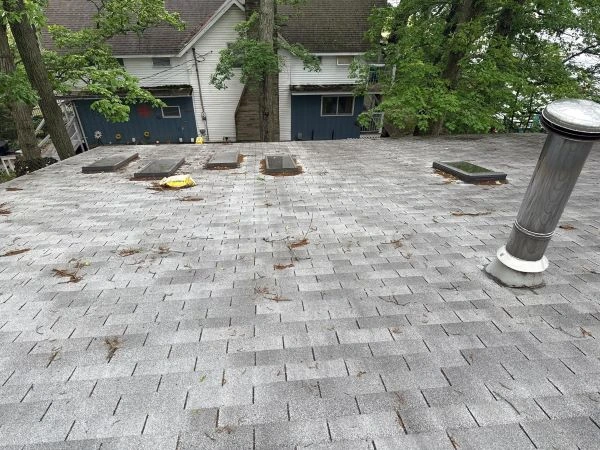
- Inspect roof valleys, penetrations, and flashing transitions. Valleys concentrate water flow, so granule loss can accelerate in these zones. We check around chimneys, vent boots, skylights, and wall intersections, since turbulence and runoff patterns can wear surfaces. If granules are missing around flashing edges, it can indicate persistent water movement or poor detailing. These are also the most common leak points, so surface wear here deserves immediate attention.
- Look for impact marks and bruising after storms. We evaluate whether granules are missing in small circular patterns, which can indicate hail impacts. We also check for dents in soft metals like vents or flashing that support a storm damage conclusion. Even if leaks are not present yet, impact driven loss can weaken shingles and shorten remaining life. Documenting damage quickly helps with informed decisions and can support any warranty or claim process.
- Assess attic conditions, especially ventilation and moisture. We recommend verifying that intake and exhaust vents are balanced and unobstructed. Excess heat accelerates shingle aging and can cause premature granule shedding. Moisture is equally important because condensation can damage decking and worsen thermal cycling. We look for staining, damp insulation, moldy odors, and rust on fasteners. If attic conditions are unhealthy, correcting them can slow additional asphalt shingle deterioration.
- Evaluate whether foot traffic or rooftop equipment is causing abrasion. We often see concentrated wear near service paths, satellite mounts, HVAC lines, or areas accessed for seasonal maintenance. Repeated stepping, tool dragging, or ladder placement against eaves can dislodge granules. If abrasion is the culprit, we recommend adjusting access points, adding protective walk pads where appropriate, and improving maintenance habits to reduce ongoing damage while preserving shingle integrity.
- Track changes over time with photos and dates. We recommend taking clear photos from consistent angles every few months, especially if there are early signs like light balding or moderate granule buildup. A single snapshot rarely tells the full story, but a timeline shows whether conditions are stable or worsening. If bald patches expand, edges curl, or granule loss accelerates, we treat it as actionable. Trend tracking supports better planning and avoids last minute emergencies.
When Granule Loss Means It Is Time to Act
Granule loss becomes a warning sign when it reduces protection, exposes asphalt, or coincides with structural or moisture risks. We treat the following as action triggers:
- Visible bald spots across multiple shingles
- Recurring heavy granule piles in gutters
- Cracking, curling, blistering, or frequent missing tabs
- Leaks, ceiling stains, or damp attic insulation
- Soft decking or sagging roof lines
At that point, delaying can increase repair scope, especially if water reaches the decking or underlayment.
Repair, Restore, or Replace: How We Choose the Right Path
Not every roof with granule loss needs immediate replacement, but the right option depends on severity and roof age.
- Targeted fixes: If loss is limited and caused by localized issues such as flashing defects, debris retention, or isolated storm damage, a focused roof repair can restore performance and prevent expansion.
- System corrections: If ventilation, drainage, or moisture is driving deterioration, we correct those contributors so the roof does not continue aging prematurely.
Full renewal: When balding is widespread, shingles are brittle, and multiple slopes show advanced wear, a roof replacement is usually the most reliable path to long term protection and predictable maintenance.
How We Prevent Granule Loss From Accelerating
Prevention is about reducing abrasion, controlling moisture, and minimizing extreme temperature stress.
Key practices we prioritize:
- Keep gutters clean so water drains instead of spilling and scouring roof edges.
- Remove debris that traps moisture and grinds against shingles in wind.
- Address moss and algae early to prevent lift and moisture cycling.
- Maintain attic airflow to reduce heat buildup that accelerates binder drying.
- Limit roof walking and use safe access methods to avoid surface scuffing.
If homeowners want a quick service search, we often see people start with the phrase roofing company near me. What matters most is choosing a provider that evaluates the entire roofing system, not just the visible shingles, and that offers clear guidance on whether wear is stable or escalating.
Frequently Asked Questions
How much shingle granule loss is considered normal?
A small amount of granules in gutters is often normal, especially after a new installation or a major rainstorm. What we watch is whether the loss continues at the same intensity for weeks and months. If granules accumulate heavily after every rainfall or if we see dark, smooth patches forming, the loss is more than routine. In that case, an inspection can determine whether heat, storm impact, or aging is accelerating wear.
What do bald spots on shingles look like from the ground?
Bald spots usually appear as darker or smoother patches that contrast with the surrounding shingle color and texture. From the street, they can resemble smudges or areas that look less gritty and more flat. If the roof looks uneven in tone, especially in repeated patterns across a slope, we treat that as a warning sign. Balding is most concerning when it exposes asphalt and coincides with cracking or curling.
Can poor ventilation really cause asphalt shingle deterioration?
Yes. Poor ventilation raises attic and roof deck temperatures, which can make shingles run hotter and dry out faster. When asphalt binder hardens, granules loosen and shed more easily. Over time, this heat stress can lead to brittleness, cracking, and loss of water shedding reliability. We typically evaluate intake and exhaust balance, check for blocked vents, and look for moisture indicators because ventilation problems often show up alongside granule loss.
Should we clean granules out of gutters or leave them?
We recommend cleaning them out. Granules can contribute to clogs and prevent gutters from draining properly. When gutters back up, water can spill over the edge, wet fascia boards, and increase roof edge exposure. Cleaning also allows us to monitor how quickly granules return. If gutters refill with granules quickly, that trend helps confirm whether the roof is shedding at a normal rate or experiencing accelerated surface breakdown that needs attention.
When should we schedule a professional inspection for granule loss?
We recommend scheduling an inspection if we see recurring heavy granule accumulation, visible bald patches, or other symptoms like curling, cracking, or missing tabs. We also suggest an evaluation after hail or high wind events, because impact damage can dislodge granules without immediate leaks. If interior signs appear, such as attic moisture, ceiling stains, or musty smells, we treat it as urgent. Early assessment helps limit damage and improve repair outcomes.
Conclusion
When granule loss raises concerns, we focus on clear, evidence based recommendations that match roof age, slope conditions, and risk exposure. Whether the right move is routine maintenance, targeted repair, or a long term plan for replacement, we align the solution with measurable roof performance. For homeowners seeking roofing construction in Kalamazoo, we deliver dependable roofing services grounded in thorough inspection, durable materials, and workmanship that prioritizes long term protection. If we want a roof that performs reliably through every season, we should address warning signs early and keep the system healthy from deck to ridge, and we can do that with Worthy Construction LLC.






Trustindex verifies that the original source of the review is Google. Highest praise for all of Worthy Construction. Fantastic service, advice and attention. Full roof installation plus gutters. They kept us informed about everything happening and were done on time. Efficient, quality, professional work. Highly recommended.Trustindex verifies that the original source of the review is Google. Worthy Construction replaced our roof, gutters, and repaired our front steps. Khari was professional start to finish, from taking the time to understand what we were hoping to achieve, preparing and presenting his estimate, and all the way through to his final walk through. Great communication, quality materials and work, and great crews! I recommend Worthy Construction to anyone looking for a high quality local contractor!Trustindex verifies that the original source of the review is Google. Worthy construction Did an amazing job on my roof very fast and reliable I highly recommend his services He helped us out And I appreciate it Definitely deserve 5 stars thanks again Worthy ConstructionTrustindex verifies that the original source of the review is Google. Was a great experience, excellent customer service. Work was completed in a very timely manner. Would recommend their services to anyone.Trustindex verifies that the original source of the review is Google. Worthy Construction just replaced my roof, skylights, and gutters. I live out of town and selling my parent's house so this company came through a personal referral. Khari and team were such a joy to work with. He answered my questions, kept me updated on progress, did everything he said he was going to do, and met all of commitments on time. It's not easy to know what's happening while living out of town and I appreciate Khari's communication skills, timeliness, and overall this has been an amazing experience! I highly recommend Worth Construction!!Trustindex verifies that the original source of the review is Google. Worthy Construction did an excellent job replacing our roof. They were very easy to work with throughout the entire process. They answered all of our questions promptly and delivered a great finished product. I’d highly recommend them for your roofing needs.Trustindex verifies that the original source of the review is Google. Very professional, great guy that will work with you. Highly recommended for sure. Mr. Worthy is very dependable! He completed our roof on time and as expected!Trustindex verifies that the original source of the review is Google. Greatest service ever! Super fast and did a fantastic job. I will definitely save them to do future jobs that need to be fixed. The greatest ever!Trustindex verifies that the original source of the review is Google. My roof was very damaged, I had a huge hole in my roof from constant tree debris and age. I didn’t have any expectations going in to the project but I was greatly impressed with the speed of service! The ten we done in 2 days! They cleaned up afterwards, the materials were great quality and . The team replaced my entire rooftop. Mr. Worthy was very respectful and responsive to my concerns regarding the project, I would certainly recommend his company to anyone looking for a new rooftop!Trustindex verifies that the original source of the review is Google. He was a pleasure to work with. They were prompt and professional the whole project. He kept me informed the whole process and his work was of the highest quality. They were very respectful of my and my neighbor's properties. I am very very happy with the work they did for me.