
Gutter Overflow Causes: The Roof-to-Gutter Problems Nobody Notices
When gutters overflow, the instinct is to blame “dirty gutters,” but the real story is often hidden in the transition where the roof sheds water into the trough. At Worthy Construction LLC, we see overflow as a system failure, not a single-point clog, and we treat it like a roof-to-drainage pathway that must move water quickly, safely, and consistently from shingle edge to downspout exit, even during hard rain.
How Roof Water Actually Enters the Gutter
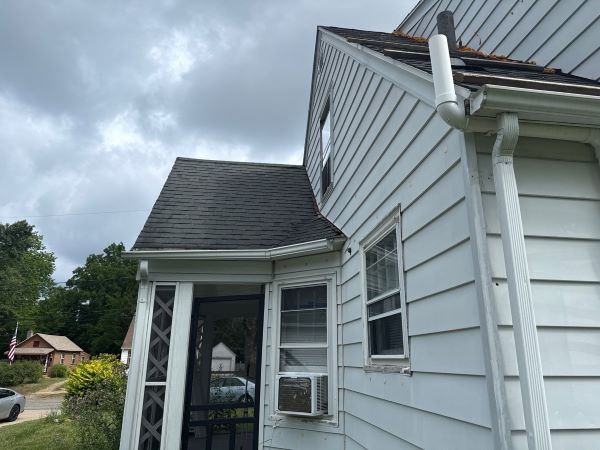
Roof runoff does not politely drop straight down. It accelerates, spreads, and can cling to surfaces before it reaches the gutter. When the roof edge, flashing, fascia, and gutter lip are not aligned as a complete assembly, water can overshoot the gutter, run behind it, or splash out under volume.
We focus on the roof edge geometry: shingle overhang, drip edge placement, fascia condition, and how valleys and dormers concentrate flow. A gutter can be clean and still overflow if the roof sends water past it or floods it faster than it can drain.
The Most Common Gutter Overflow Causes
The phrase gutter overflow causes covers more than debris. We typically group causes into three categories: restricted flow, poor capture, and overload. Restricted flow happens when water cannot travel through the gutter and downspouts at the required rate. Poor capture occurs when water does not enter the gutter efficiently, even if the gutter is unobstructed. Overload is a capacity mismatch, where the roof area, slope, and rainfall intensity exceed what the gutter and downspouts were designed to handle.
A durable solution usually requires addressing at least two categories, because small defects often compound. A partially restricted downspout combined with a high-volume valley discharge can turn a moderate storm into a waterfall.
Roof Edge Details That Quietly Create Overflow
Drip Edge Misalignment and Missing Kickout Guidance
A properly installed drip edge directs water into the gutter and protects the fascia. If it is missing, bent, tucked under incorrectly, or installed with gaps, water can track backward and spill behind the gutter. Along roof-to-wall transitions, missing kickout guidance can dump concentrated water directly against siding and into the gutter at a harsh angle, leading to splash-out.
Shingle Overhang That Is Too Short or Too Long
Overhang that is too short can drop water behind the gutter lip. Overhang that is too long can cause water to cling to the underside, skip the gutter opening, and drip behind the fascia line. The difference can be only a small amount, yet it changes the path water takes under heavy flow.
Fascia Rot and Wavy Mounting Lines
If fascia boards are soft, bowed, or rotted, gutters rarely sit at a consistent angle. The gutter may look fine from the ground, but the top edge may dip in places, creating low points that hold water and force overflow during a downpour. Hidden fastener failure also allows the gutter to pull away from the roof edge, creating a gap where water escapes.
Clogged Downspout Symptoms We Track Before Water Shows Up Indoors
Downspouts are the exit valves of the whole system. Even a small restriction can back up the gutter and force overflow at the nearest low spot. We watch for clogged downspout symptoms that are easy to miss:
- Water spilling over a single corner while the rest of the run looks normal
- A gutter that stays wet long after the storm ends
- Dripping seams near downspout outlets
- Overflow that begins late in the storm rather than early
- A heavy, “full” sound in the downspout during rainfall
We also pay attention to underground drains and extensions. A downspout can be perfectly clear until it feeds into a blocked elbow, crushed extension, or buried outlet that cannot accept the volume.
Gutter Pitch Issues That Turn a Trough Into a Pond
Gutter pitch issues are a frequent reason overflow appears “random.” Gutters are designed to slope subtly toward downspouts. If they are level, reverse-sloped, or bowed, water stalls, sediment settles, and capacity shrinks. During heavy rain, that trapped water reduces the open channel available for incoming runoff, and overflow becomes inevitable.
We check pitch by measuring the run, locating the high and low points, and confirming the downspout is at the lowest point. We also look for “belly sag” between hangers. Even with correct end-to-end slope, mid-span sag creates a private reservoir that steals capacity and accelerates clogging.
Capacity Mismatch: When the Gutter Is Simply Too Small
Sometimes overflow is not a defect, but a design limitation. Large roof planes, steep pitches, and short eaves can funnel intense flow into one segment. Narrow gutters or too few downspouts may be overwhelmed. Valleys are the biggest amplifier because they combine water from two planes and deliver it in a tight stream.
We evaluate roof square footage feeding each gutter run, the number and placement of downspouts, and whether splash guards, diverters, or larger profiles are needed. This is where many persistent gutter overflow causes originate, especially on additions where roof area increased but drainage was never upgraded.
How Water Leaves the House After the Downspout Matters
Overflow damage often begins after water exits the downspout. If discharge is too close to the foundation, water rebounds, saturates soil, and increases hydrostatic pressure. If extensions are too short, water can re-enter basement walls, erode landscaping, or form low spots that backflow toward the house.
We prioritize controlled discharge: stable splash blocks, properly graded soil, and extensions that move water to a safe downhill area. When runoff is redirected correctly, the gutters experience less splash-back and less sediment load.
Professional Corrections That Stop Repeat Overflow
When the system needs more than maintenance, we focus on durable corrections, not temporary patches. As a roofing company, we integrate roof-edge improvements with drainage performance and address flashing, fascia stability, and runoff behavior before we treat the symptom. When the situation requires roofing services, we align the roof edge so water is captured cleanly, not scattered. If a localized issue is creating concentrated discharge, targeted roof repair can eliminate the source of the overload. When drainage components are failing, we implement gutter services with a performance mindset, and we reserve gutter repair for cases where structure and alignment can be restored without compromising long-term slope and capacity.
Numbered Checklist: Roof-to-Gutter Problems We Inspect and Correct
- Valley discharge alignment into the gutter
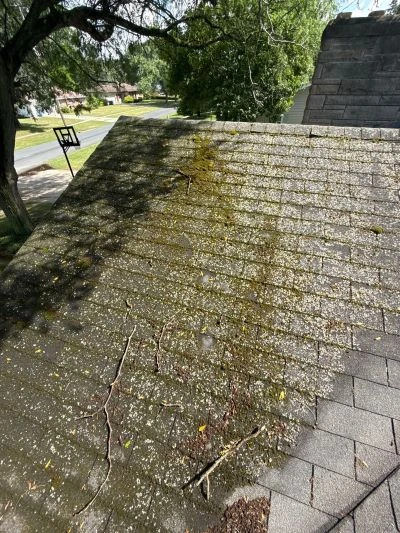
We verify where valley water lands relative to the gutter opening. When the stream hits the outer lip, splash-out increases dramatically. We correct the landing zone with diverters, valley detailing, or gutter accessories that slow and spread flow. We also check for granule buildup at the valley exit, because valley runoff carries more debris and can choke outlet areas faster than the rest of the roof. - Drip edge continuity and edge-to-gutter overlap
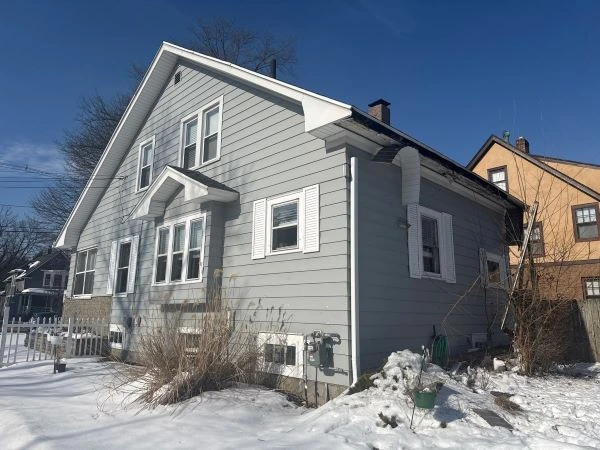
We confirm the drip edge is continuous, properly lapped, and positioned to deliver water into the gutter rather than behind it. Even small gaps can funnel water onto fascia. We also assess whether the gutter sits too low or too far from the roof edge, creating an air gap that allows wind-driven rain to bypass the trough and wet the wall assembly. - Hidden fascia movement and loose hanger spacing
We inspect fastener patterns, hanger spacing, and any signs of pull-away. A gutter that has shifted outward may still look straight, but the capture geometry changes and overflow begins at corners. We correct loose fasteners, replace compromised fascia where needed, and restore consistent mounting so the gutter maintains a uniform top line and stable slope under load. - Downspout inlet obstruction and outlet bottlenecks
We check the drop outlet for internal clogs, crushed elbows, and improper transitions. Many clogged downspout symptoms trace back to a narrow outlet, an elbow that traps shingle grit, or a tight turn that snags leaves. We also evaluate whether the downspout size matches the roof area it serves, because undersized pipes act like permanent restrictions during peak rainfall. - End-cap seams, miters, and joint integrity under surge flow
We examine every seam for signs of leakage, separation, or staining. During heavy flow, seams that hold under low volume can fail under surge, and water spills at joints rather than the downspout. We reseal or rebuild joints as required, and we make sure the gutter channel remains smooth so water does not create turbulence that contributes to overflow at transitions. - Slope verification and correction of gutter pitch issues
We measure end-to-end slope and confirm there are no reverse sections. Gutter pitch issues often show up as standing water lines, mosquito activity, or sediment bars. We reset hangers, correct bellies, and establish a reliable slope toward the downspout. Proper pitch reduces stagnation, improves self-flushing behavior, and increases effective capacity during storms. - Roof edge overhang and water adhesion behavior
We evaluate whether shingles and underlayment are encouraging water to cling and roll behind the gutter. Adhesion is especially problematic during light rain, when water can track along surfaces instead of dropping cleanly. We adjust edge detailing to encourage a clean break into the gutter channel, which prevents behind-the-gutter wetting that can mimic overflow and rot fascia over time. - Foundation discharge distance and grade performance
We confirm where the system releases water and how the soil carries it away. Poor discharge can cause splash-back and erosion that loads gutters with sediment, creating recurring gutter overflow causes. We improve extensions, splash protection, and grading approaches so water exits the system decisively. This reduces re-circulation of debris and stabilizes the entire roof-to-ground drainage pathway.
FAQs
What are the fastest ways to identify gutter overflow causes during a storm?
We observe where overflow begins first and whether it is localized or continuous. Localized overflow near a corner often points to outlet restriction or clogged downspout symptoms. Overflow along a whole run may suggest capacity mismatch or widespread debris. If water is running behind the gutter, we suspect edge capture problems such as drip edge alignment, fascia movement, or an excessive gap between roof edge and gutter.
Why do gutters overflow even after cleaning?
Cleaning removes debris but does not correct poor capture geometry or gutter pitch issues. If water overshoots the trough due to roof edge details, the gutter can remain clean and still spill. If the gutter is level or sagging, it can hold water and lose capacity quickly. We also see cases where downspouts are partially restricted at elbows or underground connections that cleaning the gutter cannot resolve.
What clogged downspout symptoms show up before visible overflow occurs?
We often notice delayed drainage after rainfall, persistent wet lines, and concentrated drips at seams near the outlet. Another sign is a gutter that appears to fill unusually fast in moderate rain. Subtle clogged downspout symptoms also include sediment buildup around the drop outlet and a heavy, pulsing flow sound. These indicators suggest the downspout is limiting exit flow and backing up the channel.
How do gutter pitch issues develop over time?
Hangers can loosen, fascia can warp, and sections can sag under the weight of water and debris. Temperature swings also stress fasteners and joints. Over years, these forces create small dips that trap water, accelerate sediment settlement, and reduce the usable cross-section during storms. Once gutter pitch issues appear, overflow becomes more frequent because the system loses the self-cleaning flow pattern it depends on.
When is overflow a sign the system needs redesign rather than repair?
When roof area is large, pitch is steep, or valleys concentrate runoff, the gutter profile and downspout count may be insufficient. Repeated overflow at the same high-volume locations, despite clearing restrictions and correcting slope, typically indicates a capacity mismatch. In those cases, we evaluate larger gutters, additional downspouts, and flow-control accessories to address the root gutter overflow causes instead of repeatedly treating symptoms.
Conclusion
Overflow is rarely a mystery when we inspect the full pathway, roof edge capture, channel flow, downspout exit, and ground discharge. By correcting hidden roof-to-gutter misalignments, resolving clogged downspout symptoms, and eliminating persistent gutter pitch issues, we restore predictable drainage that protects fascia, siding, landscaping, and foundations. For a system-level approach that prioritizes long-term performance, we deliver that standard every day at Worthy Construction LLC.






Trustindex verifies that the original source of the review is Google. Highest praise for all of Worthy Construction. Fantastic service, advice and attention. Full roof installation plus gutters. They kept us informed about everything happening and were done on time. Efficient, quality, professional work. Highly recommended.Trustindex verifies that the original source of the review is Google. Worthy Construction replaced our roof, gutters, and repaired our front steps. Khari was professional start to finish, from taking the time to understand what we were hoping to achieve, preparing and presenting his estimate, and all the way through to his final walk through. Great communication, quality materials and work, and great crews! I recommend Worthy Construction to anyone looking for a high quality local contractor!Trustindex verifies that the original source of the review is Google. Worthy construction Did an amazing job on my roof very fast and reliable I highly recommend his services He helped us out And I appreciate it Definitely deserve 5 stars thanks again Worthy ConstructionTrustindex verifies that the original source of the review is Google. Was a great experience, excellent customer service. Work was completed in a very timely manner. Would recommend their services to anyone.Trustindex verifies that the original source of the review is Google. Worthy Construction just replaced my roof, skylights, and gutters. I live out of town and selling my parent's house so this company came through a personal referral. Khari and team were such a joy to work with. He answered my questions, kept me updated on progress, did everything he said he was going to do, and met all of commitments on time. It's not easy to know what's happening while living out of town and I appreciate Khari's communication skills, timeliness, and overall this has been an amazing experience! I highly recommend Worth Construction!!Trustindex verifies that the original source of the review is Google. Worthy Construction did an excellent job replacing our roof. They were very easy to work with throughout the entire process. They answered all of our questions promptly and delivered a great finished product. I’d highly recommend them for your roofing needs.Trustindex verifies that the original source of the review is Google. Very professional, great guy that will work with you. Highly recommended for sure. Mr. Worthy is very dependable! He completed our roof on time and as expected!Trustindex verifies that the original source of the review is Google. Greatest service ever! Super fast and did a fantastic job. I will definitely save them to do future jobs that need to be fixed. The greatest ever!Trustindex verifies that the original source of the review is Google. My roof was very damaged, I had a huge hole in my roof from constant tree debris and age. I didn’t have any expectations going in to the project but I was greatly impressed with the speed of service! The ten we done in 2 days! They cleaned up afterwards, the materials were great quality and . The team replaced my entire rooftop. Mr. Worthy was very respectful and responsive to my concerns regarding the project, I would certainly recommend his company to anyone looking for a new rooftop!Trustindex verifies that the original source of the review is Google. He was a pleasure to work with. They were prompt and professional the whole project. He kept me informed the whole process and his work was of the highest quality. They were very respectful of my and my neighbor's properties. I am very very happy with the work they did for me.