How Poor Insulation Shortens the Life of Your Roof
A roof is designed to endure years of sun, wind, rain, and temperature swings, but its longevity depends heavily on what happens beneath the shingles or panels. At Worthy Construction, we routinely see roofs that fail early not because the materials were “bad,” but because the attic environment was allowed to run hot, cold, damp, and unstable. When insulation is missing, uneven, compressed, or poorly installed, the roof structure is exposed to conditions that accelerate wear, invite moisture, and trigger costly damage that is often invisible until it is advanced.
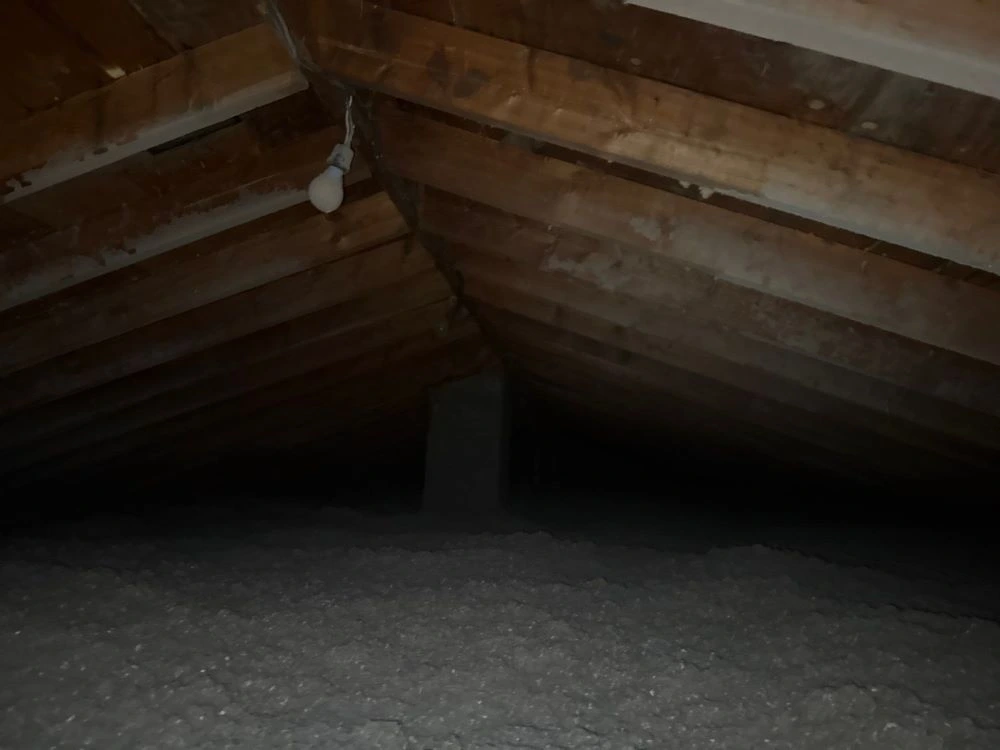
Why Attic Insulation Controls Roof Durability
Insulation is not just an energy upgrade. It is a roof-protection system that stabilizes attic temperatures, reduces thermal shock, and helps prevent moisture from condensing on wood and fasteners. When we maintain a consistent boundary between living space and attic space, we reduce the extremes that cause materials to expand and contract aggressively. Over time, the connection between insulation and roof lifespan becomes clear: a stable attic environment helps decking stay dry, fasteners stay intact, and roofing materials avoid premature cracking, curling, blistering, and granule loss.
The Most Damaging “Invisible” Problem: Temperature Imbalance
Roofs deteriorate faster when the attic behaves like an oven in hot seasons and a refrigerator in cold seasons. Poor insulation allows heat to blast into the attic from conditioned rooms, and it also allows exterior heat to overwhelm the interior boundary. That imbalance increases surface temperatures at the roof deck and the underside of roofing materials. High heat can prematurely age asphalt-based products, bake underlayment, and stress adhesives. In colder weather, warm indoor air leaking into the attic can create melt-freeze cycles that strain edges, valleys, and penetrations. The result is a roof that looks “fine” from the street but is aging rapidly under the surface.
Moisture: How Poor Insulation Turns Your Attic Into a Condensation Factory
Air carries moisture. When warm, humid air meets a cold surface, it condenses into water droplets. In an attic with insufficient insulation and unsealed gaps, indoor air rises and escapes through ceiling penetrations such as light fixtures, exhaust fans, attic hatches, and plumbing chases. Once that air hits cooler roof decking, condensation forms. Repeated wetting leads to wood swelling, mold growth, delamination, and rot, all of which shorten a roof’s service life. This is one of the most severe forms of attic insulation roof damage because it weakens the roof from the inside out.
Ventilation and Insulation Must Work Together
Insulation alone is not enough if airflow pathways are blocked or poorly designed. We aim for a system where insulation maintains the thermal boundary and ventilation helps remove excess heat and moisture. Problems start when insulation is piled into soffits without baffles, blocking intake airflow. Exhaust vents then pull from the path of least resistance, often drawing conditioned air from the home through gaps in the ceiling. That creates higher humidity, higher energy use, and faster deterioration of roof components. A balanced system keeps attic air moving while keeping indoor air where it belongs.
Common Poor Attic Insulation Effects on Roofing Systems
When insulation is substandard, damage patterns appear in predictable ways. These poor attic insulation effects do not always show as immediate leaks, which is why they can be ignored until the roof is far into failure. We watch for deck staining, nail corrosion, warped sheathing, brittle underlayment, and shingle anomalies that suggest heat or moisture stress. In many cases, addressing insulation and air sealing early prevents a “mystery roof problem” that keeps returning after repairs.
7 Ways Poor Insulation Shortens Roof Life
- Accelerated heat aging of roofing materials
When attic heat is allowed to surge, roofing assemblies run hotter for longer hours. This sustained heat exposure bakes asphalt shingles, dries out sealant strips, and increases granule loss. Underlayment can become brittle, and adhesives can lose effectiveness around flashing and penetrations. Over time, the roof becomes less flexible and more crack-prone, especially during storms or sudden temperature shifts. Heat aging often presents as curling edges, surface blistering, and a generally “tired” roof years before it should look worn. - Thermal shock from constant expansion and contraction
A poorly insulated attic swings rapidly between temperature extremes. Those swings cause roofing materials and the roof deck to expand and contract more often and more dramatically. Fasteners loosen microscopically with each cycle, seams fatigue, and small gaps open at joints and transitions. Over time, the assembly becomes more vulnerable to wind uplift and water intrusion. Even without a visible puncture, repeated thermal movement can compromise flashing lines, ridge zones, and areas around skylights, pipes, and vent stacks. - Condensation-driven decking damage and delamination
Warm indoor air leaking into a cold attic condenses on the underside of the roof deck. Persistent moisture weakens plywood and OSB, causing swelling and edge deterioration. Adhesives within engineered wood can break down, leading to delamination and reduced structural stiffness. This kind of internal damage is especially dangerous because the roof may appear intact until a storm load or foot traffic reveals “soft spots.” Once decking integrity is compromised, the roof’s ability to hold fasteners and resist uplift drops dramatically. - Mold, rot, and long-term moisture accumulation
Moisture that repeatedly condenses does not just dry out cleanly. It often feeds mold and fungal growth, especially in dark attic spaces where airflow is restricted. Fungal activity breaks down wood fibers, turning strong framing into brittle material over time. Rot can spread from sheathing to rafters and trusses, escalating repairs from a roofing job to a structural project. A roof supported by weakened wood will not perform well under wind loads and will be more likely to develop sagging and drainage issues. - Fastener corrosion and metal component deterioration
High humidity and condensation accelerate corrosion on nails, screws, metal connectors, and flashing components. Rusted fasteners lose holding power, allowing shingles or panels to shift and creating gaps where water can enter. Corrosion also affects metal drip edges, flashing at chimneys and valleys, and vent collars. Once corrosion begins, it can be difficult to stop without correcting the underlying moisture problem. This is a frequent pathway for attic insulation roof damage because the first “leak” is often a symptom of humidity, not rain penetration. - Ice dams and edge failures in cold climates
In colder regions, heat loss through the ceiling warms the roof deck, melting snow above insulated areas. Meltwater then refreezes at colder eaves, forming ice dams that force water under shingles and into the roof assembly. Even a well-installed roof can be overwhelmed by repeated damming events. The damage often appears at eaves, fascia, soffits, and interior ceiling edges. While climate matters, the root problem is consistent: inadequate insulation and air sealing drive unwanted heat into the attic. - Overworked ventilation systems and pressure imbalances
When insulation coverage is inconsistent, attic ventilation can become unbalanced. Exhaust vents may pull air from unintended places, including living spaces through ceiling gaps. That airflow carries moisture and heat, worsening attic conditions and increasing energy use. Meanwhile, blocked soffits or missing baffles prevent proper intake, so heat and humidity stagnate at the roof deck. This combination accelerates material aging and increases the risk of condensation. Correcting ventilation without correcting insulation often fails because the attic remains unstable.
Warning Signs That Insulation Problems Are Hurting Your Roof
We look for interior and exterior indicators that point to insulation-driven stress. Common signs include uneven shingle wear, premature granule loss, recurring minor leaks after repairs, or moisture stains on attic framing. Indoors, drafts around ceiling fixtures, rooms that are difficult to cool or heat, and persistent musty odors can indicate air leakage into the attic. In many cases, homeowners focus on the roof surface when the more effective solution is improving the attic boundary.
How We Evaluate Insulation Quality the Right Way
A quick glance at insulation depth is not enough. We evaluate:
- Coverage consistency: Thin areas, gaps near eaves, and exposed drywall are red flags.
- Compression: Insulation crushed by storage or foot traffic loses performance.
- Air leakage points: Recessed lights, attic hatches, and penetrations should be sealed.
- Moisture evidence: Rust, staining, mold, or damp insulation indicates humidity issues.
- Vent path protection: Baffles should keep soffit vents open and airflow moving.
When these elements are addressed together, the attic becomes predictable and the roof stops being punished by extremes.
Best Practices That Protect Roofing Systems for the Long Term
To extend roof life, we focus on the complete attic system:
- Air sealing first: Seal penetrations so indoor air does not flood the attic.
- Upgrade insulation to appropriate levels: Add consistent depth and avoid voids.
- Preserve ventilation channels: Install baffles to maintain soffit-to-ridge flow.
- Control moisture sources: Ensure bathroom and kitchen exhaust fans vent outside.
- Inspect ductwork: Leaky ducts in the attic can dump humid air and create condensation.
Done correctly, these steps reduce temperature spikes, cut humidity, and stabilize the roof deck, which directly supports a longer service life.
Roof Type Considerations: Why Insulation Still Matters
Different roofing materials respond differently to heat and moisture, but all benefit from attic stability. Asphalt shingles are particularly sensitive to excessive attic heat that accelerates aging. Metal roofs can transmit heat quickly, making insulation and ventilation critical for comfort and condensation control. Tile and slate last longer but still rely on sound decking and dry framing. Even low-slope roofs depend on managing moisture migration and interior humidity. The takeaway is consistent: insulation protects structural components, not just comfort.
FAQs About Poor Insulation
What are the most common poor attic insulation effects homeowners overlook?
The most overlooked poor attic insulation effects are hidden moisture problems and uneven attic temperatures that quietly shorten roof life. Homeowners often notice comfort issues first, but the roof may already be experiencing decking condensation, fastener corrosion, and accelerated shingle aging. Small gaps around ceiling penetrations can move surprising amounts of warm, humid air into the attic, leading to mold and wood deterioration. Catching these early prevents expensive structural repairs.
How does insulation and roof lifespan relate if the roof looks fine from outside?
Insulation and roof lifespan are closely linked because roof failure often starts underneath the visible surface. A roof can look intact while heat and humidity are degrading the deck, underlayment, flashing, and fasteners. When the attic runs too hot, materials age faster; when it runs too damp, wood and metal components weaken. Over time, the roof becomes less resilient to storms, foot traffic, and normal expansion and contraction, leading to premature leaks and failures.
Can attic insulation roof damage cause leaks even if shingles were installed correctly?
Yes. Attic insulation roof damage can create leak symptoms without a classic “bad shingle” problem. Condensation can drip onto ceilings and mimic a roof leak, while moisture-driven rot can soften decking and allow fasteners to loosen. Corroded flashing and vent collars can also fail sooner in humid attic conditions. In these cases, replacing surface materials without correcting insulation and air leakage often leads to recurring issues and repeated repair costs.
Can we just seal flashing with caulk and be done?
Caulk can stop a leak temporarily, but it rarely addresses the underlying failure if overlaps, fasteners, or flashing geometry are wrong. Cold weather accelerates sealant cracking and shrinkage. A durable repair typically involves restoring proper layering, replacing corroded or improperly installed flashing, and ensuring water is redirected onto the roofing surface. A correct flashing repair is a system fix, not a surface patch.
How urgent is it to address roof flashing leaks during winter?
It is urgent because water intrusion can quickly damage insulation, drywall, framing, and indoor air quality. Even small leaks can soak insulation and reduce energy performance, increasing heating costs and encouraging mold. Winter thaws can repeat several times in a season, compounding the damage with each melt cycle. Addressing flashing defects early limits repair scope and preserves structural materials.
Conclusion: Protect the Roof by Fixing What’s Under It
When we improve insulation quality, air sealing, and ventilation pathways, we reduce the heat stress and moisture cycling that quietly destroy roofing systems. The roof lasts longer, performs more reliably, and avoids the internal deterioration that turns a manageable upgrade into a major rebuild. If we want to extend service life and prevent recurring issues tied to poor attic insulation effects, we must treat the attic as part of the roof system, not an afterthought. For property owners seeking energy-efficient insulation in Kalamazoo, MI and nearby areas and dependable attic insulation that support comfort, humidity control, and long-term roof durability, this whole-system approach is the standard we apply at Worthy Construction.





Trustindex verifies that the original source of the review is Google. Khari and his team are incredible. From communication, to competitive pricing on work, Worthy Construction has it covered. I’m loving my brand new windows, and my friends love their new roof! Thank you Worthy ConstructionTrustindex verifies that the original source of the review is Google. Khari was very easy to work with, taking care of my house in a hurry with an active leak. Thanks for a job well done at a great price!Trustindex verifies that the original source of the review is Google. Top notch customer service!! Khari is the best.Trustindex verifies that the original source of the review is Google. Worthy Construction fought and won against my insurance company to get my roof replaced after the tornado and high winds of 2024. The absolute professionalism was impeccable along with the crew and the time it took. I highly recommended Worthy Construction, they are high skilled at what they doTrustindex verifies that the original source of the review is Google. Khari, Worthy construction , and all their employees are the most friendly construction crew we have worked with. After our initial project with our roof and gutters, we couldn’t wait to have his team replace our siding. Worthy Construction was fair, prompt, knowledgeable, efficient, clean and professional. We are very pleased we chose Worthy Construction for our project! Thank you Khari and team.Trustindex verifies that the original source of the review is Google. Khari came on time to inspect and give an estimate. I received the estimate in a timely fashion. It was reasonable. He is very personable and easy to reach. I have had him out for a couple of different things. This company is amazing. His sign is up all over my neighborhood. Thank you!!!!Trustindex verifies that the original source of the review is Google. I used worthy construction very recently when I came home from work and found water damage inside. A neighbor reached out saying how great Mr. Worthy was. I reached out to him and he was able to come over that day and give me an estimate. I went through with his services and the communication was great. I enjoyed the picture evidence of their work along the way and the explanations. There was a break in between all of the winter storms and Mr.Worthy and his team were able to get it done as quick as possible. They were also able to repair the inside ceiling and paint for me. I really appreciated everything they did for me. Everything looks great and would use them again as well as recommend them in a heart beat. Mr. Worthy and his team are top notch.Trustindex verifies that the original source of the review is Google. We are so grateful for the great communication and the prompt, excellent service we received. This company truly cares and we are especially grateful for their support of our military veterans!Trustindex verifies that the original source of the review is Google. Highest praise for all of Worthy Construction. Fantastic service, advice and attention. Full roof installation plus gutters. They kept us informed about everything happening and were done on time. Efficient, quality, professional work. Highly recommended.