How to Spot Soft Spots on Roof Without Walking on It
When homeowners begin asking, is my roof safe, the concern is usually not cosmetic. It is structural, financial, and deeply practical. At Worthy Construction LLC, we understand that uncertainty about a roof can create immediate stress, especially after storms, ongoing leaks, or visible signs of aging. The good news is that many soft spots on roof surfaces can be identified from safe vantage points without stepping onto the roofing system. With a careful visual process, consistent observation, and attention to warning signs, we can detect early problems before they become expensive structural failures.
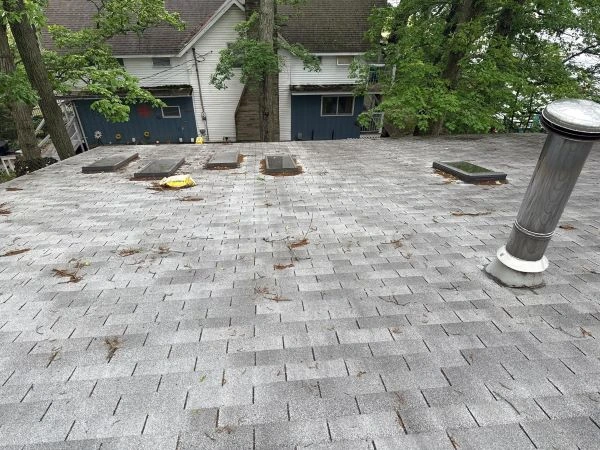
Why Soft Spots on a Roof Should Never Be Ignored
A soft area in a roof usually indicates that moisture has weakened the underlying materials. In many cases, the top roofing material may still appear intact from a distance, while the decking beneath it has started to deteriorate. This hidden weakness can spread over time, affecting insulation, rafters, ceilings, interior walls, and even electrical components if water infiltration continues unchecked.
The danger with soft spots on roof structures is that they rarely remain isolated. Moisture travels. Once water enters through cracked shingles, damaged flashing, deteriorated sealant, or storm-created openings, it can soak into the roof deck and compromise adjacent areas. This leads to a chain reaction of decay, mold growth, wood rot, sagging lines, and reduced load-bearing strength. For homeowners trying to determine is my roof safe, early detection from the ground, attic, and interior living spaces is one of the smartest and safest steps available.
What Causes a Roof to Develop Soft Spots
Soft spots generally develop because the roof system has been exposed to repeated or prolonged moisture. Age is a common factor, but age alone is not always the cause. In many homes, soft areas appear because water entered through a failed flashing connection, an ice dam, clogged gutters, missing shingles, poor ventilation, or underlayment deterioration.
Trapped humidity can also contribute. Warm, moist air rising into the attic can condense beneath the roof deck, especially when ventilation is inadequate. Over time, even without an obvious leak, the decking can absorb enough moisture to weaken. Low-slope roof sections, valleys, and penetrations near chimneys, skylights, and vents are especially vulnerable. This is why homeowners must learn to recognize roof decking soft spot signs in more than one part of the home, not only from the exterior.
How to Inspect for Soft Spots Without Walking the Roof
Below are safe, practical ways to identify warning signs without putting yourself at risk. Each method allows us to gather useful evidence while keeping both feet firmly off the roof.
1. Study the Roofline from the Street
The first and safest method is to step back far enough to view the full roofline. Look at the ridges, edges, valleys, and broad planes of the roof from multiple angles. A healthy roof typically appears straight and consistent. If any section dips inward, looks uneven, or appears to bow under its own weight, that can point to moisture damage beneath the surface. These visual distortions are among the most common roof sagging signs and should never be dismissed as normal settling.
2. Check for Uneven Shingle Patterns
From the ground, use binoculars to inspect the pattern of your shingles or roofing material. Watch for areas that seem slightly sunken, wrinkled, rippled, or out of alignment. A soft section beneath the outer layer may cause shingles to lose their flat, uniform appearance. Even a subtle depression can indicate compromised decking below. These irregularities often show up first in morning or late afternoon sunlight, when shadows make surface distortions easier to see.
3. Inspect Gutters and Downspouts for Clues
Gutters often reveal signs of roof trouble before the decking problem becomes obvious. Excessive granules from asphalt shingles, pieces of roofing material, dark organic debris, or signs of recurring overflow can indicate aging surfaces and water management issues. If gutters are clogged or pulling away from the fascia, water may be backing up under the edge of the roof. That repeated saturation can eventually create soft spots on roof sections near the eaves and lower edges.
4. Look for Interior Ceiling Changes
One of the most reliable ways to identify roof weakness without climbing outside is to examine interior ceilings carefully. Water stains, peeling paint, bubbling drywall, sagging ceiling texture, and small brown rings are all indicators that moisture has entered from above. Even if the stain appears minor, it may correspond to a larger issue in the roof deck. Interior signs often confirm what exterior observations suggest, helping us connect visible leak patterns with possible soft areas above.
5. Examine the Attic for Moisture and Wood Damage
The attic is one of the best places to investigate roof decking soft spot signs safely. Use a flashlight and inspect the underside of the roof deck for dark discoloration, damp wood, mold growth, frost in colder months, rusty nails, or visible warping. Pressing on structural members is not necessary. Visual cues are often enough. If the wood appears stained, swollen, or uneven in color, moisture may have already weakened the decking in that area.
6. Watch for Light Entering Through Unexpected Gaps
Daylight inside the attic is not always harmless. If light is entering around penetrations, seams, or damaged boards, water can often follow the same path. Small points of visible light near vents or flashing may indicate gaps that have allowed repeated intrusion. When these openings persist, the surrounding decking can soften over time. This method is especially useful after storms, when wind-driven rain may exploit even narrow openings in the roofing system.
7. Pay Attention to Musty Odors and Humidity
A roof problem is not always first seen. Sometimes it is first smelled. If the attic or upper rooms develop a persistent musty odor, excessive humidity, or a damp feeling that was not present before, hidden moisture may be building up within the roof assembly. This can soften the deck long before dramatic stains appear. Odor, humidity, and poor ventilation often work together as early warning conditions that deserve prompt attention.
Most Common Roof Decking Soft Spot Signs Homeowners Miss
Many homeowners assume a roof issue must look dramatic before it is serious. In reality, the earliest roof decking soft spot signs are often subtle. Slight waviness in the roof surface, own, but together they create a clear pattern of active moisture intrusion and structural decline.
We should also pay close attention to doors or windows near exterior walls that suddenly become harder to open, especially if this change appears with other roof-related symptoms. In some cases, ongoing water damage and structural shifting can create pressure changes in framing. While this is not always caused by roof damage, it can support the broader picture when evaluating roof sagging signs.recurring interior stains that dry and reappear, attic nail rust, minor ceiling texture changes, and gentle dips near valleys are all easy to overlook. These signs may not seem urgent on their
Roof Sagging Signs That Require Immediate Action
A roof that sags is not simply old-looking. It may be approaching a structural threshold. The most concerning roof sagging signs include a ridge line that curves instead of running straight, a plane that dips visibly in the center, a wavy section near a valley, or an overhang that appears lower than before. Inside the house, ceiling bowing, drywall cracks near upper corners, and repeated leak activity often appear alongside exterior sagging.
If these signs are present, homeowners should avoid trying to investigate by walking on the roof. A soft section may not support body weight reliably, especially after rain or in older systems with hidden rot. Ground-level observation and attic inspection are the safest first steps, followed by a professional evaluation to confirm whether the issue is limited to a small area or whether deeper structural correction is needed.
Why Walking on a Suspected Soft Roof Is a Serious Risk
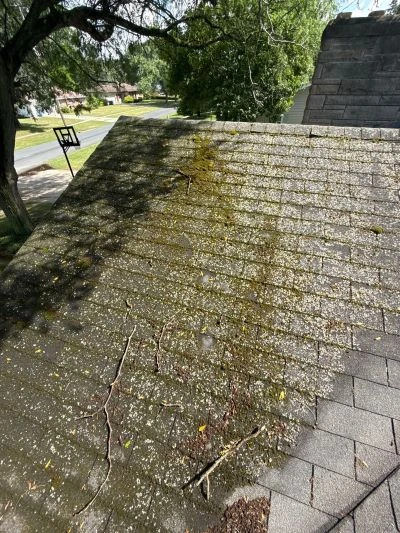
When homeowners notice possible damage, the instinct is often to climb a ladder and inspect it closely. That approach creates unnecessary danger. A weakened roof surface can collapse under concentrated weight, especially if rot has spread below intact-looking shingles. Even if the decking does not fully fail, a person can slip on loose granules, wet materials, algae, or damaged flashing.
The better question is not whether we can get onto the roof, but whether doing so is necessary. In most cases, safe diagnosis begins from the ground, the attic, and the interior. This approach protects the homeowner while still revealing whether soft spots on roof surfaces are likely present. If additional investigation is needed, trained crews with proper safety equipment should handle it.
When Soft Spots Lead to Roof Repair or Full Replacement
Not every soft area requires complete system replacement, but every soft area deserves serious attention. If the problem is isolated and the surrounding materials remain sound, a targeted roof repair may be enough to replace damaged decking and restore the affected section. However, widespread moisture damage, advanced age, multiple leak points, or visible sagging often indicate a larger failure pattern.
In those cases, roof replacement may be the more practical long-term solution because it allows the full system to be opened, damaged decking removed, ventilation corrected, and vulnerable components upgraded together. Homeowners comparing options should think beyond immediate patching and focus on structural reliability, moisture control, and long-term value. A trusted roofing company can help determine whether localized correction or broader reconstruction is the smarter investment.
How Professional Inspection Supports Better Roofing Decisions
Once warning signs appear, a professional inspection provides clarity that visual guesswork cannot. Experienced teams evaluate the outer covering, underlayment, flashing, drainage performance, attic ventilation, and the condition of structural decking as part of a complete system review. This process gives homeowners a clear answer to the question, is my roof safe, based on evidence rather than assumption.
Comprehensive roofing services are especially valuable after hail, wind, prolonged leaks, or years of deferred maintenance. The goal is not just to identify present damage but to detect the hidden causes that allowed the soft area to form in the first place. When those root conditions are corrected, homeowners avoid repeated leak cycles, premature deterioration, and escalating interior damage.
Prevention Tips to Avoid Soft Spots in the Future
Preventing soft roof areas begins with moisture control. Clean gutters regularly so runoff moves away efficiently. Trim overhanging branches that trap moisture and drop debris. Check ceilings and attic spaces seasonally for stains, mildew, and ventilation issues. After strong storms, conduct a ground-level inspection with binoculars to look for displaced shingles or damaged flashing.
Ventilation is another critical preventive measure. A roof that cannot breathe properly tends to hold heat and humidity, which accelerates material breakdown from below. Proper attic airflow helps regulate moisture levels and protects the decking against condensation damage. Routine maintenance, prompt leak response, and periodic inspection work together to keep minor defects from becoming structural weaknesses.
FAQs About Soft Roof Spots and Safety
What are the first signs of soft spots on a roof?
The earliest signs usually include subtle dips, uneven shingle lines, recurring ceiling stains, attic discoloration, and a musty smell in upper rooms. These clues often appear before severe leaking starts. Because soft spots on roof structures can stay hidden beneath the surface, homeowners should take small visual changes seriously and inspect both the attic and interior ceilings for supporting evidence.
Can I tell if my roof is unsafe without climbing on it?
Yes. In many cases, the safest and most effective observations happen from the ground and inside the home. Binoculars, attic checks, and careful ceiling inspection can reveal roof decking soft spot signs, moisture staining, and roof sagging signs without any need to walk on the roof. This method reduces personal risk while still identifying whether professional inspection is needed.
Do soft spots always mean there is a leak?
Most soft spots are linked to moisture intrusion, but the source may not be an active dripping leak. Condensation from poor attic ventilation, trapped humidity, and long-term minor seepage can all weaken roof decking over time. That is why a roof can feel compromised even if homeowners have not seen water dripping into living spaces. Moisture damage often develops slowly and silently.
How serious are roof sagging signs?
Sagging should always be treated as serious because it suggests that the roof structure or decking may be losing strength. A dip or bow in the roofline is more than a visual defect. It may indicate rot, saturated materials, failing supports, or long-term moisture damage. When sagging is visible, homeowners should stop considering self-inspection on the roof and arrange a prompt professional assessment.
How do I know whether I need repair or replacement?
The answer depends on how widespread the damage is, how old the system is, and whether the decking issue is isolated or systemic. A small affected area may be corrected with a targeted repair, while broad deterioration, recurring leaks, and multiple weak zones often justify replacement. The most reliable path is a full evaluation that measures structural condition, moisture exposure, and future performance risks.
Conclusion
Protecting a home starts with recognizing subtle structural warnings before they become major failures. When we know what to look for, from uneven rooflines and attic staining to surface depressions and interior moisture clues, we can identify soft spots on roof systems safely without stepping onto a potentially unstable surface. That careful approach reduces risk, preserves evidence, and supports smart maintenance decisions. For homeowners who want dependable answers and durable solutions, Worthy Construction LLC stands ready to help evaluate concerns, address damage correctly, and restore confidence in the safety of the roof overhead.





Trustindex verifies that the original source of the review is Google. Highest praise for all of Worthy Construction. Fantastic service, advice and attention. Full roof installation plus gutters. They kept us informed about everything happening and were done on time. Efficient, quality, professional work. Highly recommended.Trustindex verifies that the original source of the review is Google. Worthy Construction replaced our roof, gutters, and repaired our front steps. Khari was professional start to finish, from taking the time to understand what we were hoping to achieve, preparing and presenting his estimate, and all the way through to his final walk through. Great communication, quality materials and work, and great crews! I recommend Worthy Construction to anyone looking for a high quality local contractor!Trustindex verifies that the original source of the review is Google. Worthy construction Did an amazing job on my roof very fast and reliable I highly recommend his services He helped us out And I appreciate it Definitely deserve 5 stars thanks again Worthy ConstructionTrustindex verifies that the original source of the review is Google. Was a great experience, excellent customer service. Work was completed in a very timely manner. Would recommend their services to anyone.Trustindex verifies that the original source of the review is Google. Worthy Construction just replaced my roof, skylights, and gutters. I live out of town and selling my parent's house so this company came through a personal referral. Khari and team were such a joy to work with. He answered my questions, kept me updated on progress, did everything he said he was going to do, and met all of commitments on time. It's not easy to know what's happening while living out of town and I appreciate Khari's communication skills, timeliness, and overall this has been an amazing experience! I highly recommend Worth Construction!!Trustindex verifies that the original source of the review is Google. Worthy Construction did an excellent job replacing our roof. They were very easy to work with throughout the entire process. They answered all of our questions promptly and delivered a great finished product. I’d highly recommend them for your roofing needs.Trustindex verifies that the original source of the review is Google. Very professional, great guy that will work with you. Highly recommended for sure. Mr. Worthy is very dependable! He completed our roof on time and as expected!Trustindex verifies that the original source of the review is Google. Greatest service ever! Super fast and did a fantastic job. I will definitely save them to do future jobs that need to be fixed. The greatest ever!Trustindex verifies that the original source of the review is Google. My roof was very damaged, I had a huge hole in my roof from constant tree debris and age. I didn’t have any expectations going in to the project but I was greatly impressed with the speed of service! The ten we done in 2 days! They cleaned up afterwards, the materials were great quality and . The team replaced my entire rooftop. Mr. Worthy was very respectful and responsive to my concerns regarding the project, I would certainly recommend his company to anyone looking for a new rooftop!Trustindex verifies that the original source of the review is Google. He was a pleasure to work with. They were prompt and professional the whole project. He kept me informed the whole process and his work was of the highest quality. They were very respectful of my and my neighbor's properties. I am very very happy with the work they did for me.