Roof Color & Energy Bills: Does Shingle Color Really Matter?
When we help homeowners plan a new roof, we often start with a question that sounds cosmetic but quickly becomes financial: does shingle color affect monthly energy costs? At Worthy Construction, we see the answer play out across seasons, attic conditions, and insulation levels, because roof color influences how much solar heat a home absorbs, how hard HVAC systems work, and how comfortable indoor spaces feel during temperature swings.
Why Roof Color Can Change What We Pay for Heating and Cooling
Roofing materials sit in direct sunlight for hours each day, acting like a thermal shield above the living space. The key difference between colors is reflectance: lighter shingles tend to reflect more sunlight, while darker shingles absorb more. The result is a measurable difference in roof surface temperature on sunny days, which can translate into a warmer or cooler attic depending on ventilation, insulation, and air sealing. That attic temperature affects heat transfer through the ceiling assembly, which can influence cooling demand in summer and, in some climates, winter performance as well.
When we evaluate roof shingle color energy efficiency, we do not treat color as a standalone feature. We look at the full roofing system: shingle reflectance, underlayment, decking, intake and exhaust ventilation balance, insulation depth, duct placement, and even the home’s orientation. Color matters, but how much it matters depends on how heat travels through the entire roof assembly.
The Science That Makes Shingle Color Relevant
Three technical terms help us explain why roof color can impact energy bills:
- Solar reflectance: how much sunlight the roof reflects away instead of absorbing.
- Thermal emittance: how efficiently the roof releases absorbed heat back into the air.
- Solar Reflectance Index (SRI): a combined scoring approach used for many “cool” roofing products to describe how hot a surface gets in the sun relative to a standard black and white surface.
In plain terms, a roof with higher reflectance and higher emittance stays cooler under direct sun. A cooler roof can mean a cooler attic, which reduces the amount of heat trying to push into living spaces. That effect is strongest when the attic is poorly ventilated or when ducts run through the attic, because cooler surrounding air can reduce duct heat gain.
Dark vs Light Shingles: What Changes Inside the Home
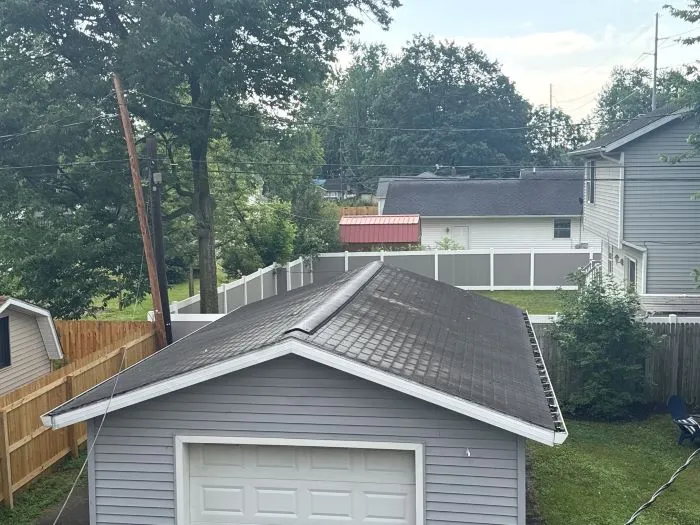
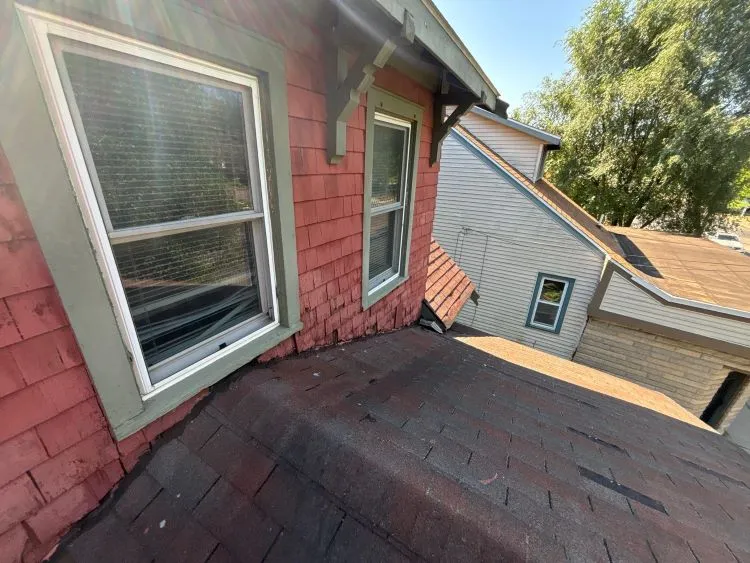
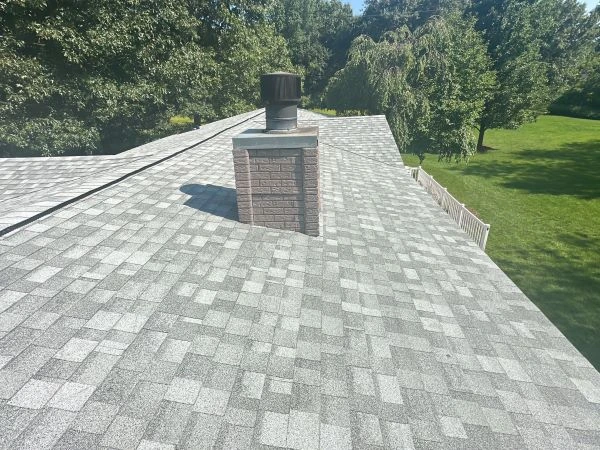
The dark vs light shingles question is not about aesthetics alone. It is about the temperature difference the roof can reach on hot, clear days. Dark shingles typically absorb more solar energy, so the roof surface can get hotter. That heat can radiate into the attic and increase the temperature of rafters, decking, and insulation facing. If the attic is not venting well, heat accumulates and the ceiling plane becomes a pathway for heat to move downward.
Light shingles generally reflect more sunlight, so the roof surface temperature can be lower. That can reduce attic heat buildup, which often reduces cooling load. In regions where summer cooling is a major expense, lighter shingles frequently support lower peak attic temperatures and help air conditioners cycle more efficiently.
In colder climates, dark shingles can sometimes contribute a small “assist” during sunny winter days by absorbing heat. However, winter energy costs are more heavily influenced by insulation, air leakage, window performance, and how long cloudy conditions persist. The winter benefit of darker shingles is usually smaller than people expect, especially when snow cover limits solar absorption.
Cool Roof Shingles: What They Are and Why They Work
Cool roof shingles are designed to reflect more solar radiation and release heat more effectively than standard shingles of the same general shade. This matters because “cool” does not always mean “white.” Many cool-rated products use specialized granules that boost reflectance even in medium and darker tones. That gives homeowners more design flexibility while still targeting better summer performance.
When we recommend cool roof shingles, we consider roof pitch, sun exposure, local climate, and attic configuration. A home with limited attic ventilation or with HVAC equipment and ductwork in the attic often benefits more from a cooler roof surface. We also look for third-party performance data where available, because marketing terms vary. The goal is simple: reduce rooftop heat gain and lessen the strain on cooling equipment during hot stretches.
Climate and Region: Where Color Makes the Biggest Difference
Roof color has the most noticeable energy impact in climates with long, sunny, hot seasons where air conditioning runs frequently. In mixed climates, performance depends on seasonal balance: a slightly cooler summer attic may matter more than a slightly warmer roof surface in winter, especially if winter is cloudy or snow-covered.
In Southwest Michigan, we plan for humid summers, variable shoulder seasons, and winters that can be cold and overcast. If we are working with a homeowner searching for a roofing contractor in Kalamazoo, we typically focus on reducing summer attic heat buildup while ensuring the roof system manages moisture well during winter. That means pairing a smart shingle choice with balanced ventilation, proper air sealing, and insulation that meets or exceeds modern expectations.
Ventilation and Insulation: Why Color Alone Cannot Do the Job
Shingle color influences the amount of heat the roof surface absorbs, but insulation and ventilation determine how much of that heat reaches living spaces. A well-insulated attic can blunt the energy impact of roof color by slowing heat transfer. Balanced ventilation can remove hot air and reduce the attic’s peak temperature, which helps protect roofing materials and reduces heat pressure on the ceiling plane.
We focus on three practical checkpoints:
- Air sealing at ceiling penetrations (lights, pipes, fans) to stop conditioned air from leaking into the attic.
- Insulation depth and coverage to reduce heat transfer and minimize thermal bridging.
- Ventilation balance using correctly sized intake and exhaust, so airflow is continuous and predictable.
When these elements are weak, roof color becomes more important because the attic behaves like a heat reservoir. When these elements are strong, roof color still matters, but the difference in bills is often smaller.
Roof Color, Material Choice, and Long-Term Performance
Color can also influence how a roof ages. Higher temperatures can accelerate the breakdown of asphalt components and may affect the performance of adhesives and seal strips over time. While product quality, installation, ventilation, and maintenance matter most, temperature cycling is part of the durability equation. Choosing a color and product type that reduces unnecessary heat stress can support long-term stability, especially on roof sections that get intense afternoon sun.
We also consider neighborhood style, HOA requirements, and resale expectations. A roof is a prominent design feature, so we balance performance with curb appeal. When cool-rated options exist in a preferred shade family, we often see them as a strong compromise.
How We Choose the Right Shingle Color for Real Energy Savings
Selecting the right shingle color is easier when we use a decision framework that ties appearance to measurable conditions. We recommend weighing:
- Sun exposure: south and west roof planes typically get the most solar load.
- Attic type: vented attic versus sealed attic changes how heat is managed.
- HVAC location: attic ductwork and equipment can magnify the benefit of cooler shingles.
- Insulation levels: stronger insulation reduces sensitivity to roof color differences.
- Local code and incentives: some regions promote reflective roofing performance targets.
If we are comparing similar products, the best choice is usually the one that aligns with the home’s heat flow reality, not the one that looks best on a sample board under indoor lighting.
Numbered Guide: Practical Ways Roof Color Influences Energy Bills
- Surface temperature affects attic temperature, especially on sunny afternoons. Dark shingles can run hotter in direct sun, raising the roof deck temperature and increasing radiant heat into the attic. Light shingles and reflective products typically lower peak roof temperatures, which can reduce attic air temperature. The difference becomes meaningful when ventilation is limited or when the home has ductwork above the insulation line. We treat this as a peak-load issue that can influence comfort in top-floor rooms.
- Cooling systems work hardest during peak heat, and roof color can shift that peak. Air conditioners are least efficient when outdoor temperatures are highest, which is often when rooftop temperatures are also highest. A cooler roof surface can reduce attic heat gain during the same window, helping indoor temperatures stabilize and shortening long cooling cycles. When we assess roof shingle color energy efficiency, we pay attention to afternoon sun exposure because that is when many homes feel the biggest comfort drop.
- Ductwork in the attic magnifies the impact of dark vs light shingles. Even well-insulated ducts absorb heat when attic air temperatures spike. That added heat load can raise supply air temperature, reduce delivered comfort, and extend run times. Choosing lighter shingles or cool roof shingles can lower attic temperatures and reduce duct heat gain. We view this as one of the clearest pathways where shingle color can translate into real utility differences over a season.
- Insulation quality determines how much roof heat reaches living space. If insulation is thin, uneven, or compressed, attic heat can pass into rooms more easily. In that situation, roof color can have an outsized effect on comfort because the ceiling plane is a weaker barrier. With high-quality insulation and air sealing, the home is more resilient and less sensitive to rooftop heat changes. We still factor color into the plan, but we prioritize insulation performance for dependable results.
- Ventilation balance can either amplify or reduce the value of reflective shingles. When intake and exhaust ventilation are properly sized and unobstructed, hot attic air is replaced with cooler outside air more effectively. That reduces attic temperature spikes regardless of shingle color. However, reflective shingles can still lower the roof deck temperature, which is beneficial for durability and comfort. Poor ventilation makes color selection more critical because heat lingers longer and radiates downward.
- Roof geometry changes how much sunlight each plane absorbs. A steep roof angle can receive stronger midday sunlight on certain planes, while complex designs create shaded valleys and sun-baked ridges. Color performance is not uniform across the roof because the sun’s path changes by season and time of day. We evaluate which planes get the harshest exposure and may recommend cool-rated products for those sections when a uniform look is required across the whole roof.
- Humidity and moisture control matter, and cooler roofs can influence drying behavior. In humid regions, attic moisture management is essential. While shingle color is not a moisture strategy by itself, attic temperature affects how quickly materials dry after overnight condensation or seasonal moisture events. A roofing system designed for proper airflow, correct insulation, and reliable vapor control will handle moisture best. We integrate color choices into the broader plan so performance and durability move together.
Choosing a Contractor and Setting Expectations
Roof color is an important decision, but it works best when the installation is precise and the roof system is designed as a whole. Underlayment choice, flashing execution, ridge and soffit ventilation details, and proper shingle fastening all influence performance and longevity. Homeowners searching online for a roof company near me often want fast answers, but the most effective results come from matching color and product selection to the home’s building science realities.
We encourage homeowners to look at shingle samples outdoors in full sun and shade, then confirm product performance ratings and warranty coverage. A roof that looks good and performs well should deliver stable comfort, predictable bills, and strong durability across years of weather.
Frequently Asked Questions
Do light shingles always lower cooling bills?
Light shingles often reduce roof surface temperature in direct sun, which can lower attic heat and reduce cooling demand. However, the impact depends on insulation, ventilation, and duct placement. If an attic is well sealed and well insulated, the savings may be modest. If ductwork runs through a hot attic or insulation is underperforming, lighter shingles or cool-rated products can have a more noticeable effect on comfort and seasonal electricity use.
Are cool roof shingles only useful in very hot climates?
Cool roof shingles can be beneficial in many regions because they target peak solar heat gain, not just desert heat. In mixed climates, they often help during humid summer stretches when air conditioning runs frequently. In winter, the effect is usually smaller because heating demand depends more on insulation and air leakage. We select cool-rated options when summer comfort, attic temperatures, or attic ductwork are key concerns.
Will dark shingles make our home warmer in winter?
Dark shingles can absorb more sunlight, which may slightly warm the roof surface on bright winter days. In practice, the indoor impact is often limited because winter sun angles, cloud cover, and insulation levels dominate results. Snow cover can also reduce absorption. If winter heating costs are the main concern, air sealing and insulation improvements typically offer stronger returns than relying on darker shingles for passive warming.
How do we know if a shingle is truly energy efficient?
We look for published performance data such as solar reflectance and, when available, SRI or similar metrics. Product lines labeled as cool roof shingles often include reflective granules that improve performance across multiple colors. We also evaluate the roof system design: ventilation balance, attic insulation, and duct layout. Energy efficiency is the combined outcome of product properties and how the roof assembly controls heat flow.
Should we prioritize shingle color or insulation upgrades first?
If insulation is inadequate or air sealing is weak, improving the attic boundary usually delivers more consistent energy savings than changing roof color alone. Once the insulation and airflow fundamentals are solid, shingle color becomes a targeted optimization, especially for reducing summer peak attic temperatures. The most effective strategy is to pair a smart shingle choice with a roof system that is ventilated correctly and sealed against air leakage.
Bottom Line: Yes, Shingle Color Matters, and System Design Matters More
Roof color can influence how much heat the roof absorbs and how hard cooling systems work, especially during sunny peak hours. The most reliable results come when we align color choice with insulation, ventilation, and attic conditions, then select products with performance data that supports real-world goals. If we want a roof that looks sharp, performs efficiently, and supports predictable comfort through Michigan’s seasonal swings, we plan the entire system carefully and execute the installation with precision, including new roof installation, which is exactly how we approach every project at Worthy Construction.





Trustindex verifies that the original source of the review is Google. They did a great job and were a good price especially for the quality of work they did. I tried multiple quotes and they fit the bill perfectly. Thank you again got it done quick and looks great I would recommend!Trustindex verifies that the original source of the review is Google. I recently had my roof and gutters replaced by Worthy. The owner, Khari came out to do the quote and was very professional and not at all pushy. The price I paid was comparable to other quotes I had gotten but the quality of the shingles was better (they use Malarkey). Would for sure recommend this company for roof or gutters.Trustindex verifies that the original source of the review is Google. Five stars for quality service on all 4 jobs! Worthy replaced my roof, Gutters this spring Did the flashing on my deck last year And repaired the water damaged ceiling in my garage recently, so it all looks perfect again. Cost was affordable. Questions always answered in a friendly, caring matter. (And we had many questions) I highly recommend this company!Trustindex verifies that the original source of the review is Google. Khari and his team are incredible. From communication, to competitive pricing on work, Worthy Construction has it covered. I’m loving my brand new windows, and my friends love their new roof! Thank you Worthy ConstructionTrustindex verifies that the original source of the review is Google. Khari was very easy to work with, taking care of my house in a hurry with an active leak. Thanks for a job well done at a great price!Trustindex verifies that the original source of the review is Google. Top notch customer service!! Khari is the best.Trustindex verifies that the original source of the review is Google. Worthy Construction fought and won against my insurance company to get my roof replaced after the tornado and high winds of 2024. The absolute professionalism was impeccable along with the crew and the time it took. I highly recommended Worthy Construction, they are high skilled at what they doTrustindex verifies that the original source of the review is Google. Khari, Worthy construction , and all their employees are the most friendly construction crew we have worked with. After our initial project with our roof and gutters, we couldn’t wait to have his team replace our siding. Worthy Construction was fair, prompt, knowledgeable, efficient, clean and professional. We are very pleased we chose Worthy Construction for our project! Thank you Khari and team.Trustindex verifies that the original source of the review is Google. Khari came on time to inspect and give an estimate. I received the estimate in a timely fashion. It was reasonable. He is very personable and easy to reach. I have had him out for a couple of different things. This company is amazing. His sign is up all over my neighborhood. Thank you!!!!