Why Roofs Age Faster in the Midwest: UV, Wind, Moisture, and Freeze Thaw
In the Midwest, roofing systems face a level of seasonal stress that shortens service life faster than many homeowners expect, and at Worthy Construction LLC we regularly see how climate exposure compounds over time. As a roofing company, we focus on the real causes of early deterioration so property owners can make better maintenance decisions, protect structural materials, and avoid preventable failures before they become expensive emergencies.
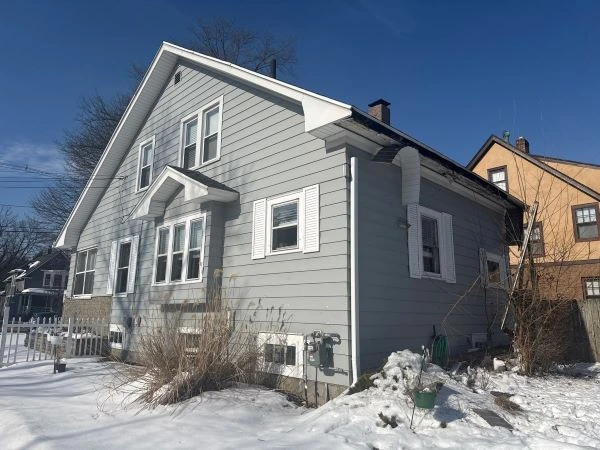
Understanding Midwest Roof Wear and Why It Develops So Quickly
The biggest reason midwest roof wear happens faster is not one single weather event. It is the constant cycle of changing conditions that work together against the roof surface, underlayment, flashing, and ventilation system. In one region, a roof may deal with intense summer sunlight, high winds during storms, long periods of humidity, heavy rain, ice formation, and repeated freezing and thawing, all within the same year.
This combination places stress on both the visible shingles and the hidden components below them. Even when a roof looks acceptable from the ground, the materials can already be losing flexibility, shedding granules, absorbing moisture, and pulling apart around fasteners or seams. Once that process begins, damage accelerates because each season builds on the weakness left behind by the previous season.
The Midwest also has wide temperature swings. Roof materials expand when heated and contract when cooled. That movement sounds minor, but over years it creates fatigue in shingles, sealant lines, flashing joints, and exposed fasteners. It also reduces the effectiveness of adhesive bonds, especially in older systems. When we evaluate aging roofs, we often find that gradual material fatigue is the hidden factor behind leaks, lifted shingles, and recurring moisture issues.
How UV Exposure Speeds Up Weathering on Shingles
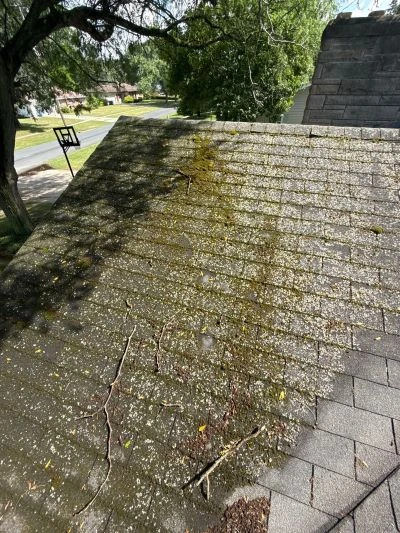
Many homeowners focus on storms, but sunlight is one of the most relentless causes of roof aging. Ultraviolet radiation slowly breaks down asphalt shingle compounds, dries out protective oils, and weakens the surface layer that helps shingles stay flexible. This is a major contributor to weathering on shingles, especially on roof slopes that receive direct sun for most of the day.
As shingles lose flexibility, they become more vulnerable to cracking during cold weather. The roof may seem fine in summer, but when temperatures drop, brittle shingles are less able to flex under thermal stress, foot traffic, or wind pressure. UV damage also contributes to granule loss. Granules help protect the asphalt layer beneath them, so once they wash away, deterioration speeds up.
We also see uneven UV aging across the same roof. South and west facing slopes often age faster due to longer sun exposure. That is important when inspecting a roof because one side may still look serviceable while the more exposed slopes are nearing failure. Without a detailed inspection, homeowners may underestimate how advanced the deterioration really is.
Wind Damage Is Not Always Obvious but It Is Always Cumulative
Wind does not need to tear off shingles to cause long term damage. Repeated uplift pressure can loosen shingle edges, weaken seal strips, and create small gaps where moisture can enter. Even moderate winds, when repeated across seasons, can reduce the roof’s ability to resist the next major storm.
In the Midwest, open terrain and seasonal storm systems can expose roofs to prolonged gusts that stress ridges, hips, eaves, and flashing transitions. Once shingle tabs lift and reseal imperfectly, they become more vulnerable to future uplift. Fastener holes can widen, and sealants around penetrations can begin to separate. These early changes often go unnoticed until a stronger storm hits.
Wind driven rain is another concern. It pushes water into vulnerable roof areas that might not leak during a normal rainfall. If flashing is aging or sealant is cracked, wind driven moisture can enter beneath the shingles, wet the decking, and create hidden rot. Over time, this leads to soft spots, insulation damage, and interior staining that appears far from the original entry point.
Moisture Exposure and Humidity Create Hidden Roof Deterioration
Moisture is one of the most destructive roof stressors because it affects both the exterior and the interior sides of the roofing system. Exterior moisture comes from rain, snow, ice, and pooled water in problem areas. Interior moisture often comes from poor attic ventilation, warm indoor air leakage, and condensation buildup beneath the roof deck.
When moisture remains trapped, roofing materials degrade faster. Wood decking can swell and weaken. Nails can rust. Mold growth can develop in attic spaces. Insulation can lose efficiency after repeated dampness, which increases heat loss in winter and heat gain in summer. That cycle makes the roof even more vulnerable because temperature and moisture problems feed each other.
The Midwest climate increases this risk because humidity levels can be high during warm months, while winter conditions promote condensation when warm interior air meets cold roof surfaces. If attic ventilation is unbalanced, moisture accumulates and quietly shortens roof life from below. Many homeowners assume roof aging is only caused by outside weather, but interior humidity control is one of the most important michigan roof lifespan factors and regional roof life factors in general.
Freeze Thaw Roof Damage Is a Major Midwest Problem
The phrase freeze thaw roof damage describes one of the most common and most misunderstood causes of roof failure in cold weather climates. Water enters tiny cracks, gaps, or porous surfaces. When temperatures drop, that water freezes and expands. The expansion widens the opening, weakens nearby material, and creates a larger path for the next round of moisture intrusion.
This process repeats all winter and often into spring. Each cycle increases the size of cracks in shingles, flashing joints, masonry interfaces, and sealant lines around vents and chimneys. Even small defects become significant after repeated freezing and thawing. Once the roof surface is compromised, leaks become much more likely during snow melt and rain events.
Ice dams can make the issue worse. When attic heat escapes and melts snow on upper roof areas, water runs down to colder eaves and refreezes. As ice builds, it traps water behind it, forcing moisture back under shingles. This can saturate underlayment, damage decking, and cause interior ceiling leaks. Preventing ice dams requires insulation, ventilation, and air sealing, not just roof surface repairs.
Michigan Roof Lifespan Factors That Homeowners Should Watch Closely
When homeowners ask what shortens roof life in cold weather regions, we explain that michigan roof lifespan factors are usually a combination of installation quality, ventilation performance, storm exposure, and maintenance habits. The roof material type matters, but the supporting system matters just as much.
A properly installed roof can still age early if attic ventilation is poor. A newer roof can fail around chimneys and valleys if flashing was not installed with precision. A roof with strong shingles can still deteriorate fast if overhanging tree limbs trap moisture and drop debris into valleys. Regional performance depends on the whole system, not just the shingle brand.
This is why inspections should go beyond visible shingle condition. We need to examine granule loss, sealant deterioration, flashing integrity, attic moisture signs, insulation condition, and airflow balance. The earlier we identify these issues, the more options homeowners have for extending service life and avoiding emergency repairs.
Six Reasons Midwest Roofs Deteriorate Faster Than Expected
- Seasonal temperature swings cause repeated expansion and contraction in roofing materials.
Roof surfaces heat up dramatically in direct sun and then cool quickly at night, especially during spring and fall. That repeated movement stresses shingles, flashing, and sealants every day. Over time, materials lose flexibility and joints weaken. Small gaps begin to appear, and those openings make it easier for wind and moisture to penetrate the roof system and speed up deterioration. - UV radiation gradually dries and weakens asphalt based roofing products.
Sunlight does not create sudden damage, but it steadily breaks down the compounds that help shingles remain durable. As the surface ages, granules loosen, shingles become brittle, and cracking becomes more likely in cold weather. UV wear is often uneven, which means one roof slope may fail earlier than another. That makes inspections critical because visible aging is rarely consistent across the entire roof. - Wind exposure weakens shingle seals and creates pathways for moisture intrusion.
Strong gusts lift shingle edges and stress adhesive strips, even if shingles do not blow off. Once the seal is weakened, future winds have a greater impact. Wind driven rain can then reach under the shingle layer, where it wets underlayment and decking. This type of damage often builds gradually and may only become visible after interior stains or leaks appear. - Moisture and humidity accelerate rot, rust, and mold in hidden roof components.
Rain and snow affect the exterior, but trapped attic moisture damages the roof from below. Poor ventilation allows condensation to collect on the underside of the roof deck, especially in winter. Nails can corrode, wood can soften, and insulation can lose performance. These hidden issues increase long term risk and often make a roof seem older than its actual installation date. - Freeze thaw cycles expand minor defects into major roof failures.
Water enters small cracks around flashing, nail penetrations, and aging shingles. When temperatures fall, the water freezes and expands, widening those weak points. After repeated cycles, materials split and sealants fail completely. This is one of the most damaging Midwest weather patterns because it turns small maintenance items into structural leak risks if they are not addressed early. - Deferred maintenance allows normal wear to compound into expensive damage.
Roof systems age more slowly when debris is cleared, flashing is checked, and minor repairs are handled quickly. When maintenance is delayed, leaves trap moisture, gutters overflow onto fascia and shingles, and vulnerable areas remain exposed through multiple seasons. By the time leaks are visible indoors, the repair scope is usually much larger than it would have been during an earlier inspection.
Signs Your Roof Is Aging Faster Than It Should
Homeowners can often detect early signs of roof decline before a leak appears. The most common indicators include granules collecting in gutters, curling or cupping shingles, dark streaks, exposed nail heads, loose flashing, and repeated ice buildup at the eaves. We also watch for attic warning signs such as damp insulation, musty odors, or dark staining on the underside of the roof deck.
Another important sign is uneven aging. If one roof area looks significantly more worn than another, it usually points to a specific exposure issue such as UV concentration, wind direction, drainage problems, or poor ventilation over that section. Uneven deterioration can shorten the lifespan of the whole roof because water often enters at the weakest point first.
If homeowners are searching online for roofing construction near me, it often means they have started noticing one or more of these warning signs and need a professional assessment before the damage spreads.
How We Extend Roof Life in Midwest Conditions
The best way to slow roof aging is to manage exposure, moisture, and airflow as a complete system. We begin with detailed inspections that focus on vulnerable areas including valleys, chimneys, roof penetrations, ridges, eaves, and attic ventilation pathways. We look for signs of shingle fatigue, flashing separation, granule loss, and moisture intrusion, then prioritize repairs based on risk.
We also recommend preventive maintenance at least once a year and after major storms. Clearing debris, checking gutters, resealing select flashing joints, and correcting small shingle issues can significantly reduce long term deterioration. Preventive work is far less expensive than waiting for interior leaks or deck rot to develop.
When a roof has widespread material fatigue, we help homeowners compare options for roof repair versus roof replacement based on the age of the system, extent of damage, and remaining service life. A targeted repair can be the right choice when the roof is structurally sound and damage is isolated. Full replacement becomes more cost effective when deterioration is broad and recurring problems are likely.
We also emphasize attic insulation and ventilation improvements because they directly affect ice dam risk, condensation, and thermal stress. Even high quality shingles will underperform if attic airflow is not balanced. In the Midwest, roof longevity depends on the roof assembly, not only the surface layer.
Choosing the Right Long Term Strategy for Midwest Roof Performance
Midwest homeowners need more than temporary fixes. We need a roof plan that accounts for climate reality, material aging, and seasonal maintenance. The strongest results come from a combination of quality installation, consistent inspections, moisture control, and timely repairs. This approach protects the roof deck, improves energy performance, and lowers the chance of emergency leaks during severe weather.
For property owners comparing contractors, it is important to choose professionals who understand regional wear patterns and can explain the full system, not just sell surface materials. Reliable roofing services should include inspection detail, ventilation evaluation, flashing expertise, and a clear plan for preserving roof life in local conditions.
FAQs About Why Roofs Age Faster in the Midwest
Why do roofs in the Midwest seem to fail sooner than expected?
Midwest roofs often age faster because they are exposed to several damaging conditions in the same year, including strong sun, wind, rain, snow, humidity, and freezing temperatures. Each condition weakens materials in a different way, and the effects build over time. Instead of one major failure event, most roofs decline through repeated stress cycles that gradually reduce shingle strength, seal integrity, and moisture resistance.
What is the biggest cause of freeze thaw roof damage?
The biggest cause is water entering small openings in shingles, flashing, or sealants and then freezing when temperatures drop. Frozen water expands, which makes cracks and gaps larger. As the cycle repeats, more water enters and damage increases. This process can lead to leaks, lifted shingles, and flashing failure even when the roof looked minorly worn at the start of winter.
How does weathering on shingles affect overall roof lifespan?
Weathering on shingles reduces the roof’s ability to protect the structure from UV exposure, wind, and moisture. As shingles lose granules and flexibility, they crack more easily and become less effective during storms. Once shingles weaken, the layers beneath them are exposed to greater stress. That is why early shingle wear often leads to faster deterioration of underlayment, decking, and flashing.
Are attic ventilation problems really part of michigan roof lifespan factors?
Yes, attic ventilation is one of the most important michigan roof lifespan factors because it controls heat buildup and moisture accumulation. Poor ventilation can cause summer overheating, winter condensation, and ice dam formation, all of which shorten roof life. A roof may appear to have a surface problem, but the root issue is often in the attic where airflow and insulation are not working together properly.
How do we know whether we need a repair or full replacement?
We determine that by evaluating roof age, material condition, leak history, and how widespread the damage is. If problems are isolated and the rest of the system is healthy, a repair may extend service life effectively. If shingles are brittle, granule loss is widespread, and leaks keep returning, replacement is usually the better investment for long term reliability and performance.
Conclusion
Roofs in the Midwest do not age faster by accident. They age faster because UV exposure, wind pressure, moisture intrusion, and freeze thaw cycles work together year after year to weaken every layer of the system. With regular inspections, proper ventilation, and timely corrective work, we can slow that process and protect both the roof and the home beneath it. For property owners who want practical guidance built around real regional conditions, Worthy Construction LLC provides the expertise needed to extend roof life and reduce costly surprises.






Trustindex verifies that the original source of the review is Google. Highest praise for all of Worthy Construction. Fantastic service, advice and attention. Full roof installation plus gutters. They kept us informed about everything happening and were done on time. Efficient, quality, professional work. Highly recommended.Trustindex verifies that the original source of the review is Google. Worthy Construction replaced our roof, gutters, and repaired our front steps. Khari was professional start to finish, from taking the time to understand what we were hoping to achieve, preparing and presenting his estimate, and all the way through to his final walk through. Great communication, quality materials and work, and great crews! I recommend Worthy Construction to anyone looking for a high quality local contractor!Trustindex verifies that the original source of the review is Google. Worthy construction Did an amazing job on my roof very fast and reliable I highly recommend his services He helped us out And I appreciate it Definitely deserve 5 stars thanks again Worthy ConstructionTrustindex verifies that the original source of the review is Google. Was a great experience, excellent customer service. Work was completed in a very timely manner. Would recommend their services to anyone.Trustindex verifies that the original source of the review is Google. Worthy Construction just replaced my roof, skylights, and gutters. I live out of town and selling my parent's house so this company came through a personal referral. Khari and team were such a joy to work with. He answered my questions, kept me updated on progress, did everything he said he was going to do, and met all of commitments on time. It's not easy to know what's happening while living out of town and I appreciate Khari's communication skills, timeliness, and overall this has been an amazing experience! I highly recommend Worth Construction!!Trustindex verifies that the original source of the review is Google. Worthy Construction did an excellent job replacing our roof. They were very easy to work with throughout the entire process. They answered all of our questions promptly and delivered a great finished product. I’d highly recommend them for your roofing needs.Trustindex verifies that the original source of the review is Google. Very professional, great guy that will work with you. Highly recommended for sure. Mr. Worthy is very dependable! He completed our roof on time and as expected!Trustindex verifies that the original source of the review is Google. Greatest service ever! Super fast and did a fantastic job. I will definitely save them to do future jobs that need to be fixed. The greatest ever!Trustindex verifies that the original source of the review is Google. My roof was very damaged, I had a huge hole in my roof from constant tree debris and age. I didn’t have any expectations going in to the project but I was greatly impressed with the speed of service! The ten we done in 2 days! They cleaned up afterwards, the materials were great quality and . The team replaced my entire rooftop. Mr. Worthy was very respectful and responsive to my concerns regarding the project, I would certainly recommend his company to anyone looking for a new rooftop!Trustindex verifies that the original source of the review is Google. He was a pleasure to work with. They were prompt and professional the whole project. He kept me informed the whole process and his work was of the highest quality. They were very respectful of my and my neighbor's properties. I am very very happy with the work they did for me.