Shingle Blow-Off: Why Wind Takes Some Roofs and Spares Others
When strong winds sweep through a neighborhood, we often see a puzzling pattern: one home loses shingles while the house next door looks untouched. At Worthy Construction LLC, we treat shingle blow off as a predictable building-science problem, not bad luck. Wind does not “choose” randomly. It exploits weaknesses in materials, installation, roof geometry, and aging, and it rewards roofs built as a tightly integrated system from deck to ridge.
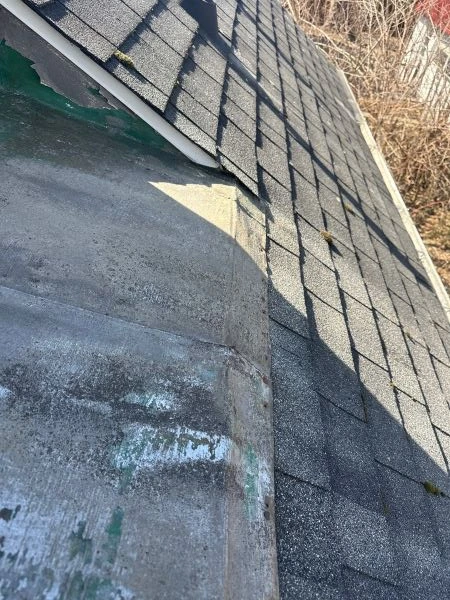
What Wind Is Really Doing to a Shingle Roof
Wind is not just pushing down on a roof. It creates uplift. As air flows over the roof surface, it speeds up and the pressure above the shingles drops. That pressure difference can pull shingles upward, especially at edges and corners where wind accelerates and swirls. Once a single shingle tab lifts, wind can get underneath and act like a pry bar, progressively loosening adhesive seals and fasteners until pieces release.
The most revealing detail is that wind damage often begins in the same high-risk zones. We typically find blow-offs concentrated along rakes, eaves, ridges, and valleys, or near roof-to-wall transitions. These are the points where airflow separates, reattaches, and generates turbulence. A roof that survives is usually the one that resists uplift at these critical areas while maintaining strong, continuous attachment everywhere else.
Why Some Roofs Fail First: The Hidden Factors
Roof Shape and Aerodynamics
Hip roofs generally handle wind better than gable roofs because wind wraps around them more smoothly. Gable ends can behave like a sail, increasing pressure differences and uplift at the corners. Steeper slopes may shed wind differently than low slopes, and complex roofs with multiple planes, dormers, or intersecting ridgelines can create localized suction zones that pull hard on shingles.
Edge Details Are a Make-or-Break Zone
Many blow-offs start at the perimeter. If the first course is not properly bonded, if the starter strip is missing or misapplied, or if drip edge and underlayment are poorly integrated, wind can peel the system like opening a zipper. Even when shingles are high quality, weak edges can compromise the entire roof.
Fastening Quality Matters More Than Quantity
It is not enough to “use nails.” Nail type, placement, penetration depth, and deck condition dictate whether the fastener holds when uplift loads spike. The proper shingle nailing pattern is designed to lock shingles to the deck while preserving manufacturer warranties and wind coverage. Deviations, even small ones, can reduce wind performance dramatically.
Shingle Blow Off Causes We See Most Often
Shingle loss usually involves multiple contributing issues. The most common shingle blow off causes include:
- Incorrect nailing location that misses the reinforced nailing zone, leaving the shingle inadequately secured.
- Under-driven or over-driven nails that either fail to clamp the shingle or cut through it under stress.
- Inadequate deck penetration, especially when nails are too short for thicker decks or layered materials.
- Missing or weak sealant bond from poor installation, dust contamination, cold-weather application, or aging.
- Starter strip mistakes that allow wind to get under the first course.
- Poor ventilation and heat cycling, which accelerates brittleness and adhesive failure.
- Old, dried-out shingles with reduced flexibility and weakened granule protection.
A roof that “looks fine” from the ground can still have systemic vulnerabilities. Wind events simply reveal them.
Wind Rating Shingles: What the Labels Do and Do Not Tell Us
Consumers often assume higher ratings automatically mean fewer blow-offs. Wind rating shingles can help, but only when the rest of the roof system is built to match the rating conditions. Manufacturer wind classifications depend on specific installation requirements, including the number of nails per shingle, nail placement, and correct sealing. Some products require enhanced fastening or hand-sealing in certain conditions.
We also consider that wind ratings do not negate site realities. Homes on open terrain, hilltops, near large fields, or at the end of wind corridors may experience higher gusts than sheltered neighborhoods. Tree lines, adjacent structures, and roof height all influence real uplift forces. The best approach is to select shingles and system components that suit the local exposure and then install them to the strictest specification.
Installation Precision That Separates Survivors from Repairs
The Nailing Zone and Pattern
A shingle roof’s wind performance often depends on millimeters. Nails placed too high can allow the shingle to pivot and lift. Nails placed too low can compromise the next course and expose nail heads. Following the proper shingle nailing pattern means using the manufacturer’s nailing line, correct nail count, and consistent spacing. We also verify that nails penetrate the deck adequately and that the deck itself has the integrity to hold fasteners over time.
Starter Strips and First-Course Lock-In
Starter strips are not optional. They provide the adhesive bond that secures the leading edge of the first course and blocks wind entry. When starters are reversed, misaligned, or skipped, wind can grab the first shingle edges and begin progressive failure. A well-executed perimeter assembly is often the difference between a roof that holds and a roof that sheds shingles.
Adhesive Sealing and Temperature Effects
Self-sealing strips rely on sun warmth to bond. In cooler conditions, poor sun exposure, or dusty environments, sealant bonds may remain weak. If the roof is installed late in the season, hand-sealing may be necessary in vulnerable zones to prevent early-lift failures. We treat sealing as part of a system: shingles, underlayment, ventilation, and installation timing all interact.
Numbered Prevention Checklist: High-Impact Actions That Reduce Blow-Off Risk
- Confirm the roof deck is sound, dry, and properly fastened. A shingle system is only as strong as what it is attached to. We check for rot, delamination, and soft spots that can reduce fastener holding power. We also confirm the deck is securely fastened to framing, because uplift loads transfer through the sheathing. A strong deck reduces nail movement, prevents loosening under vibration, and supports consistent shingle clamping force.
- Use correct fasteners and verify penetration depth. We select nails with the right length, shank type, and corrosion resistance for the roof assembly. Penetration must extend through the deck by the required amount to achieve full holding strength. Too-short nails can pull out during gusts, while staples and improper fasteners can tear through shingles. Consistent fastener choice builds reliable, repeatable resistance to uplift.
- Follow the proper shingle nailing pattern without exceptions. We align every nail with the manufacturer’s reinforced zone and apply the specified number of nails per shingle, especially in enhanced-wind zones. Misplaced nails can leave the shingle free to lift and flex, weakening adhesive seals over time. Proper placement also prevents damage to the shingle mat and reduces the risk of nail head exposure and water intrusion.
- Build a perimeter strategy: starter strip, drip edge, and underlayment integration. We treat the roof edge as a pressure boundary where wind tries to enter. Proper starter strip application ensures the first course is sealed down. Drip edge should be installed in the correct sequence with underlayment to direct water away while resisting peeling forces. When these pieces are coordinated, wind is less likely to find a starting point for progressive lift.
- Choose wind rating shingles that match exposure and install to the rated specification. We select products designed for higher gust performance and confirm the installation details required to achieve the rating. That may include increased nail count, specific hip and ridge materials, and compatible accessories. Ratings matter, but only when the whole system is built around them. Product choice and execution must align to provide real-world resistance.
- Maintain balanced attic ventilation to reduce heat stress and adhesive fatigue. Excess attic heat accelerates shingle aging, dries out sealant, and makes the shingle mat more brittle. We confirm intake and exhaust ventilation are balanced so the roof experiences less thermal cycling and less pressure fluctuation during storms. Better ventilation supports longer-lasting adhesive bonds and reduces the chance that shingles lose flexibility and lift under gust loading.
- Inspect and reinforce high-turbulence zones: corners, rakes, ridges, and roof-to-wall transitions. Wind pressures spike at corners and edges. We pay extra attention to alignment, fastening, and sealing in these areas. Ridge caps must be properly fastened and sealed, and transitions should be flashed and integrated so wind cannot force entry. Targeted reinforcement where uplift is highest often prevents small issues from becoming large blow-offs.
How Age and Prior Repairs Influence Wind Performance
Even a roof that was installed correctly can become vulnerable over time. UV exposure, thermal cycling, and moisture can harden shingles and weaken sealant strips. Granule loss exposes asphalt to faster degradation, and small edge lifts can become recurring points of failure. Poor prior patching can add risk as well. Mixed shingle batches, mismatched adhesives, and improperly sealed tabs can create discontinuities that wind exploits.
We also see “repair ripple effects,” where previous work left nails too exposed, sealed tabs poorly bonded, or damaged shingles nearby. Wind loads are distributed across the roof surface, so localized weaknesses can trigger broader failure during a storm.
What to Do Immediately After a Blow-Off
If shingles have come off, we prioritize safety and preventing water entry. We recommend avoiding climbing on the roof during windy or wet conditions, because loose shingles and slick surfaces are hazardous. Document the damage from the ground, collect any intact shingles that may help identify the product, and check attic spaces for moisture. Temporary protection can reduce interior damage until permanent repairs restore the system’s integrity.
A complete assessment should evaluate more than the missing shingles. We look for lifted tabs, broken seals, displaced ridge caps, exposed nails, compromised flashing, and underlayment tears. A blow-off can be the visible symptom of a broader attachment issue, so a thorough inspection can prevent repeat losses in the next storm.
How Homeowners Find the Right Help and Set the Right Expectations
When homeowners search roofing construction near me, they are often reacting to an urgent problem. We encourage focusing on system-level expertise, not just quick patching. A knowledgeable roofing company in Kalamazoo should be able to explain uplift risk zones, verify fastener compliance, and match materials to exposure. Whether the solution is targeted roof repair or a full new roof installation, the goal is always the same: restore a sealed, continuously attached roof system that resists uplift at edges, corners, and transitions.
Frequently Asked Questions
Why do shingles blow off even when the roof is not very old?
Shingles can blow off on newer roofs when installation details do not meet wind requirements. Common triggers include nails placed outside the reinforced zone, insufficient nail count, missing starter strips, or poor sealant bonding due to cool temperatures or dusty conditions. New shingles may look perfect but still lack the attachment strength needed when gusts create suction at corners and edges. A professional inspection can identify early-lift patterns before more shingles detach.
Are wind rating shingles enough to prevent blow-offs?
Wind ratings help, but they are not a guarantee. Wind rating shingles assume the roof is installed exactly as specified, including nail placement, nail count, and compatible accessories like ridge caps and starter strips. If any part of the system deviates, the roof may not achieve the advertised resistance. Site exposure also matters, since open terrain and corner turbulence can increase uplift beyond what many homeowners expect.
What is the most important installation detail for wind resistance?
The most critical detail is correct fastening, especially the proper shingle nailing pattern. Nails must be placed in the designated nailing zone and driven flush, not cutting the shingle and not sitting proud. Proper penetration into a sound deck is also essential. When fastening is correct, shingles are clamped securely so sealant strips can bond and the roof can resist tab lifting that leads to progressive blow-offs.
Can poor ventilation increase the chance of shingle loss in wind?
Yes. Poor ventilation increases attic heat and moisture, accelerating shingle aging and weakening adhesive seals. Overheated shingles become more brittle and less able to flex under gust loading. Adhesive strips may lose bonding strength sooner, making it easier for wind to lift tabs and work underneath. Balanced intake and exhaust ventilation helps regulate temperatures, supports longer shingle life, and reduces the conditions that contribute to repeated wind-related failures.
How can we tell if a roof is at risk before shingles start flying off?
Early warning signs include lifted corners, tabs that do not lay flat, visible nail heads, cracked or brittle shingles, and uneven shingle alignment near edges and ridges. After any wind event, we check for broken sealant bonds and subtle creases that indicate repeated lifting. Reviewing the perimeter details, starter strip presence, and fastening consistency often reveals the underlying shingle blow off causes before a larger storm turns minor vulnerabilities into major loss.
Conclusion
Wind spares roofs that are built and maintained as complete assemblies: a solid deck, correct underlayment sequencing, sealed perimeters, accurate fastening, balanced ventilation, and shingles selected and installed to match local exposure. When we treat wind uplift as a design load and apply system-level discipline, shingle blow-offs become far less likely. If we want a roof that stays put through the next gusty season, we focus on the details that wind tests first, and we finish the job to a standard we can stand behind at Worthy Construction LLC.






Trustindex verifies that the original source of the review is Google. Highest praise for all of Worthy Construction. Fantastic service, advice and attention. Full roof installation plus gutters. They kept us informed about everything happening and were done on time. Efficient, quality, professional work. Highly recommended.Trustindex verifies that the original source of the review is Google. Worthy Construction replaced our roof, gutters, and repaired our front steps. Khari was professional start to finish, from taking the time to understand what we were hoping to achieve, preparing and presenting his estimate, and all the way through to his final walk through. Great communication, quality materials and work, and great crews! I recommend Worthy Construction to anyone looking for a high quality local contractor!Trustindex verifies that the original source of the review is Google. Worthy construction Did an amazing job on my roof very fast and reliable I highly recommend his services He helped us out And I appreciate it Definitely deserve 5 stars thanks again Worthy ConstructionTrustindex verifies that the original source of the review is Google. Was a great experience, excellent customer service. Work was completed in a very timely manner. Would recommend their services to anyone.Trustindex verifies that the original source of the review is Google. Worthy Construction just replaced my roof, skylights, and gutters. I live out of town and selling my parent's house so this company came through a personal referral. Khari and team were such a joy to work with. He answered my questions, kept me updated on progress, did everything he said he was going to do, and met all of commitments on time. It's not easy to know what's happening while living out of town and I appreciate Khari's communication skills, timeliness, and overall this has been an amazing experience! I highly recommend Worth Construction!!Trustindex verifies that the original source of the review is Google. Worthy Construction did an excellent job replacing our roof. They were very easy to work with throughout the entire process. They answered all of our questions promptly and delivered a great finished product. I’d highly recommend them for your roofing needs.Trustindex verifies that the original source of the review is Google. Very professional, great guy that will work with you. Highly recommended for sure. Mr. Worthy is very dependable! He completed our roof on time and as expected!Trustindex verifies that the original source of the review is Google. Greatest service ever! Super fast and did a fantastic job. I will definitely save them to do future jobs that need to be fixed. The greatest ever!Trustindex verifies that the original source of the review is Google. My roof was very damaged, I had a huge hole in my roof from constant tree debris and age. I didn’t have any expectations going in to the project but I was greatly impressed with the speed of service! The ten we done in 2 days! They cleaned up afterwards, the materials were great quality and . The team replaced my entire rooftop. Mr. Worthy was very respectful and responsive to my concerns regarding the project, I would certainly recommend his company to anyone looking for a new rooftop!Trustindex verifies that the original source of the review is Google. He was a pleasure to work with. They were prompt and professional the whole project. He kept me informed the whole process and his work was of the highest quality. They were very respectful of my and my neighbor's properties. I am very very happy with the work they did for me.