Why Roof Decking Rots: Signs Your Sheathing Might Be Failing
Roof failures rarely begin with missing shingles or dramatic leaks. Most start quietly, beneath the roof covering, where moisture meets wood and time does the rest. At Worthy Construction LLC, we often find that what appears to be a minor stain or a few lifted shingles is actually the early stage of roof decking rot, a structural issue that can compromise fastener grip, weaken load capacity, and shorten the lifespan of the entire roofing system.
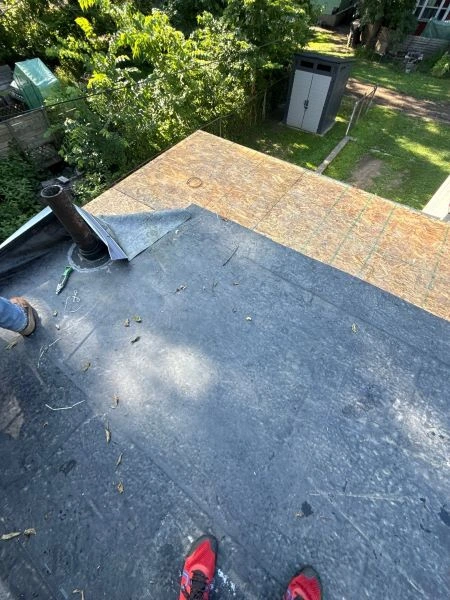
What Roof Decking and Sheathing Actually Do
Roof decking, also called roof sheathing, is the structural layer that bridges rafters or trusses and supports the underlayment and roof covering. It provides a stable nailing surface, distributes loads from snow and wind, and helps keep the roof plane flat so shingles seal and shed water correctly. When the decking stays dry and well ventilated, it can perform for decades. When it repeatedly absorbs moisture, its fibers soften, delaminate, swell, and eventually lose structural integrity.
Sheathing failure is not only a wood problem. It is a system problem. Water intrusion, trapped humidity, airflow imbalances, insulation gaps, and aging roof components all interact. Once those forces converge, rot can spread across seams, around penetrations, and along eaves where moisture exposure is highest.
The Main Reasons Roof Decking Rots
Rot is the biological breakdown of wood caused by fungi that thrive when moisture content stays elevated. That condition usually requires a steady source of moisture plus enough time. We see several repeatable pathways that lead to rotten decking.
Chronic Roof Leaks That Never Fully Dry
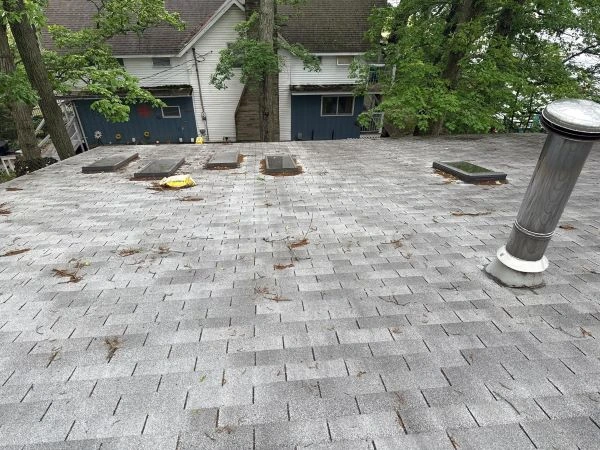
Small leaks around flashing, pipe boots, skylights, valleys, and chimneys may not show up as dripping water. Instead, they wick into the sheathing, soak the underlayment, and keep the wood damp between rain events. Because the deck sits under insulation and roof coverings, it dries slowly. This slow drying is what makes occasional minor leaks become long term rot.
Condensation From Poor Attic Airflow
In many homes, the attic becomes a humidity trap. Warm indoor air rises and escapes into the attic through ceiling penetrations. When that humid air contacts cold roof surfaces, it condenses into water droplets. Over time, this condensation creates damp sheathing even without exterior leaks. In winter, the problem becomes more severe because temperature differences are larger and drying potential is reduced.
Ice Dams and Saturated Eave Zones
At the roof edge, meltwater can refreeze and form an ice dam. Water backs up under shingles and wets the decking at the eaves. Repeated freeze thaw cycles can also loosen shingles and underlayment, opening further paths for water. Eave decking tends to rot first because it experiences both exterior wetting and interior condensation.
Ventilation Blockages and Insulation Misalignment
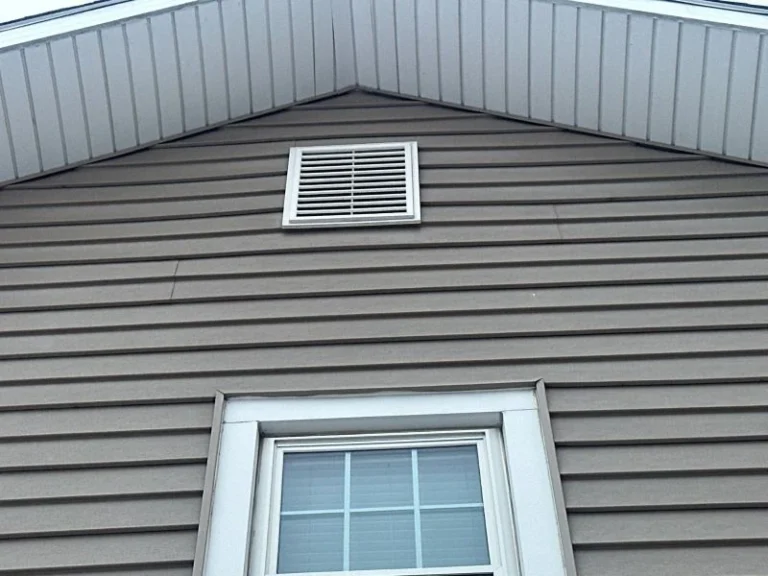
Soffit vents blocked by insulation, missing baffles, or poorly designed vent layouts can halt airflow across the underside of the roof deck. When air stagnates, moisture lingers. Even a well installed roof can experience premature decking damage if intake and exhaust ventilation are out of balance.
Material and Installation Variables
Not all decking behaves the same when exposed to moisture. Edge swelling, fastener holding, and delamination resistance vary by panel type, thickness, and manufacturer. Installation details matter as well: proper panel gapping, correct fastener schedules, and appropriate underlayment selection all influence how well the deck tolerates unavoidable moisture events.
Early Clues That Sheathing Is Starting to Fail
Rot often gives subtle signals before it becomes obvious. We look for patterns, not just single symptoms, because isolated stains can come from one time events while repeated indicators usually point to ongoing moisture.
- Shingle distortion: A wavy roofline, sagging planes, or uneven shingle tabs can indicate deck swelling or soft spots.
- Nail pops and lifted fasteners: When the deck softens, nails lose grip and begin backing out.
- Attic odors and staining: A persistent musty smell, dark streaks, or damp insulation can reflect moisture cycling at the deck.
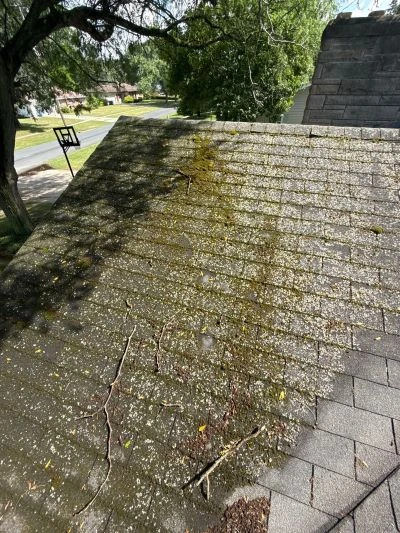
- Granule accumulation: Excessive granules in gutters may suggest shingles are aging faster due to heat and moisture from below.
- Softness underfoot: On accessible areas, spongy feel can signal weakened decking, though walking on a compromised roof is hazardous and should be avoided.
Numbered Checklist: High Confidence Rotted Deck Indicators
Below is a practical set of rotted roof sheathing signs we use during evaluations. Each item should be interpreted in context with roof age, ventilation design, and moisture history.
- Visible dark staining around penetrations
When stains form in rings around pipe vents, skylights, or chimney framing, the cause is often repeated moisture entry at flashing transitions. We pay attention to whether the stain is dry and historic or actively damp. If the wood fibers look fuzzy, softened, or crumbly at the surface, the stain is more than cosmetic. Penetration zones often rot first because water concentrates there and drying is limited by surrounding framing. - Decking that feels soft when probed from the attic
A screwdriver test from the attic side can reveal early rot when the tool sinks into the panel with minimal pressure. We focus on seams, valleys, and eaves, where moisture tends to linger. Healthy decking resists probing and has a firm, consistent texture. Softness usually means the panel has absorbed moisture long enough to lose strength, and fastener holding on the roof side may already be compromised. - Sagging between rafters or trusses
When sheathing spans begin to dip, the panel has often swelled and weakened, or fasteners have loosened. We check for a repeating pattern that aligns with framing spacing, which indicates panel failure rather than framing deflection. Even mild sagging can distort shingle alignment, prevent proper sealing, and create low spots that hold water. Those low spots accelerate deterioration and expand the damage footprint. - Delamination layers peeling or flaking
On some panels, moisture causes layers to separate, especially when the panel repeatedly wets and dries. We look for edges that appear swollen, layers that peel back, or surface flakes that break off when touched. Delamination reduces structural capacity and makes nail withdrawal far more likely. Once layers separate, the panel rarely returns to full strength, even if it later dries, because the bonding has already failed. - Mold growth patterns that follow roof planes
Mold does not always mean rot, but mold that traces the underside of the decking in broad patches often signals repeated condensation. We check whether mold appears most heavily near ridge lines, above bathrooms, or in corners with poor airflow. If the mold coincides with damp insulation or frost marks in winter, condensation is likely chronic. Chronic condensation frequently precedes rot because moisture exposure is steady and widespread. - Shingles that appear buckled above specific bays
Buckling that repeats in certain panel bays may indicate localized swelling of the decking underneath. We correlate exterior buckling with attic side evidence such as stained seams or dampness near underlayment laps. Swollen decking pushes shingles upward, breaks seal lines, and increases wind vulnerability. That chain reaction can turn a small moisture problem into repeated water intrusion events that rapidly drive decay. - Persistent indoor symptoms linked to attic humidity
Peeling paint near ceiling corners, recurring condensation on windows, and elevated indoor humidity can feed attic moisture levels through air leakage paths. We inspect ceiling penetrations, recessed lighting, attic access panels, and duct runs for warm air migration. If indoor humidity issues align with attic dampness, the roof deck may be absorbing moisture from below rather than from rainfall. This pattern often produces widespread sheathing deterioration, not just isolated spots.
Plywood vs OSB Roof Decking: Real Performance Differences
When comparing plywood vs osb roof decking, we evaluate how each panel behaves under repeated wetting, how it holds fasteners, and how it responds at edges.
Plywood generally handles intermittent moisture better because its cross layered veneers can retain structural capacity with less edge swelling, especially when properly gapped and kept ventilated. It often dries more uniformly and may resist localized bulging that telegraphs through shingles.
OSB can perform very well in dry, well ventilated systems, but it tends to be more sensitive to prolonged moisture at edges and seams. Edge swelling can be more pronounced, and once swollen it may not fully return to original thickness. That swelling can lift underlayment, disrupt shingle sealing, and encourage repeated wetting cycles.
Neither material is automatically wrong. The deciding factor is the moisture profile of the home: ventilation balance, indoor humidity control, flashing quality, and roof complexity. A strong system allows either panel type to succeed. A wet system will degrade both, just on different timelines and with different symptom patterns.
Why Ignoring Decking Rot Gets Expensive Fast
Decking rot is not just a hidden inconvenience. It affects the entire roof assembly.
- Reduced fastener holding power leads to nail pops, wind damage, and shingle blow offs.
- Flattening and alignment issues prevent shingles from sealing properly, increasing leak risk.
- Structural weakness reduces the roof’s ability to handle snow loads and foot traffic during maintenance.
- Moisture migration can spread into rafters, trusses, insulation, and drywall, multiplying repair scope.
- Indoor air quality impacts can occur when mold growth expands in damp attic conditions.
Once rot is advanced, patching only the roof covering without addressing the deck often results in recurring failures because the new materials cannot anchor properly.
Effective Solutions: From Targeted Fixes to Full Restoration
The right solution depends on extent, location, and cause. We focus on eliminating the moisture source and restoring structural integrity.
- Localized deck replacement works when damage is confined to small areas near penetrations or a limited eave section. Panels are removed, framing is inspected, and new decking is installed with correct fastening and gapping.
- Ventilation corrections may include clearing soffit paths, adding baffles, balancing intake and exhaust, and sealing attic air leaks to reduce condensation.
- Flashing and drainage upgrades address common entry points and prevent water from reaching the deck in the first place.
When decking deterioration is widespread across planes or multiple sections, a roof replacement becomes the safest way to rebuild the roof as a complete system. In contrast, if damage is limited and the covering is otherwise serviceable, a focused roof repair can stop water entry and prevent the decay zone from expanding. For homeowners comparing providers, we often see people search for a roofing company in Kalamazoo or type roofing construction near me while weighing options, but the evaluation should always prioritize decking condition and moisture drivers rather than only surface appearance.
Prevention: Keeping Decking Dry for Decades
Long term durability comes from consistent drying potential and dependable water shedding.
- Maintain gutters and downspouts so water does not back up under edges.
- Keep roof penetrations sealed and flashing transitions tight.
- Control indoor humidity and air seal ceiling penetrations to reduce attic moisture loading.
- Confirm soffit intake is open and insulation is not blocking airflow paths.
- Schedule periodic inspections after major storms and at the first sign of ceiling staining.
These steps reduce the conditions that allow fungi to thrive and prevent recurring wetting cycles that trigger roof decking rot.
When Moisture Is Severe: What We Treat as High Priority
Some attic findings require faster action:
- Active dripping from decking or ducts
- Widespread mold-like growth on framing and sheathing
- Electrical components showing corrosion or moisture exposure
- Insulation saturated enough to sag or compress significantly
In these scenarios, we prioritize source control first, then drying and remediation steps appropriate to the level of contamination and material impact.
Frequently Asked Questions
How can we tell if the decking is rotting without removing shingles?
We can often identify problems through attic side inspection combined with exterior symptom mapping. From the attic, we look for staining, mold patterns, soft spots, and fastener tips that show rust or water exposure. Outside, we correlate those findings with waviness, buckling, or repeated nail pops in the same zones. While definitive confirmation may require selective removal, a thorough inspection usually provides high confidence.
Is a musty attic smell always a sign of rot?
Not always. A musty odor typically indicates elevated moisture and microbial growth, but the decking may still be structurally sound in early stages. We treat odor as an alert to investigate ventilation balance, air leakage from the home, and insulation conditions. If moisture has been persistent, rot may be forming even if the wood still feels firm, so timely inspection is important.
What areas of the roof are most likely to develop decking decay first?
We most commonly see early deterioration at eaves, valleys, around chimneys, near skylights, and at plumbing vents. These locations concentrate water and tend to dry slowly. Eaves are vulnerable to ice dam backup and wind driven rain. Valleys handle heavy runoff. Penetrations rely on flashing details that can age or shift over time, allowing small leaks to persist unnoticed.
Can better attic ventilation reverse early sheathing moisture problems?
Improving ventilation can reduce condensation and help stabilize moisture content, which may prevent progression. However, ventilation alone cannot restore wood that has already lost strength or delaminated. We approach ventilation as part of a complete moisture management plan: sealing air leaks, correcting insulation alignment, balancing intake and exhaust, and repairing leak sources. Together, these steps stop the repeated wetting that drives decay.
How do we decide between replacing a few panels and rebuilding the deck?
We base the decision on the percentage of affected area, distribution of damage, and whether underlying causes are localized or systemic. If rot is concentrated near one penetration and framing is sound, selective panel replacement is efficient. If soft spots appear across multiple planes or edges, or if fastener holding is compromised in many zones, broader redecking is usually more reliable and cost effective.
Conclusion
When we treat decking issues early, we protect the roof structure, preserve indoor comfort, and prevent moisture from spreading into framing and finishes. For dependable evaluations and durable solutions, we apply system level standards that address moisture sources, structural integrity, and long term performance, the approach we bring to every project at Worthy Construction LLC.





Trustindex verifies that the original source of the review is Google. Highest praise for all of Worthy Construction. Fantastic service, advice and attention. Full roof installation plus gutters. They kept us informed about everything happening and were done on time. Efficient, quality, professional work. Highly recommended.Trustindex verifies that the original source of the review is Google. Worthy Construction replaced our roof, gutters, and repaired our front steps. Khari was professional start to finish, from taking the time to understand what we were hoping to achieve, preparing and presenting his estimate, and all the way through to his final walk through. Great communication, quality materials and work, and great crews! I recommend Worthy Construction to anyone looking for a high quality local contractor!Trustindex verifies that the original source of the review is Google. Worthy construction Did an amazing job on my roof very fast and reliable I highly recommend his services He helped us out And I appreciate it Definitely deserve 5 stars thanks again Worthy ConstructionTrustindex verifies that the original source of the review is Google. Was a great experience, excellent customer service. Work was completed in a very timely manner. Would recommend their services to anyone.Trustindex verifies that the original source of the review is Google. Worthy Construction just replaced my roof, skylights, and gutters. I live out of town and selling my parent's house so this company came through a personal referral. Khari and team were such a joy to work with. He answered my questions, kept me updated on progress, did everything he said he was going to do, and met all of commitments on time. It's not easy to know what's happening while living out of town and I appreciate Khari's communication skills, timeliness, and overall this has been an amazing experience! I highly recommend Worth Construction!!Trustindex verifies that the original source of the review is Google. Worthy Construction did an excellent job replacing our roof. They were very easy to work with throughout the entire process. They answered all of our questions promptly and delivered a great finished product. I’d highly recommend them for your roofing needs.Trustindex verifies that the original source of the review is Google. Very professional, great guy that will work with you. Highly recommended for sure. Mr. Worthy is very dependable! He completed our roof on time and as expected!Trustindex verifies that the original source of the review is Google. Greatest service ever! Super fast and did a fantastic job. I will definitely save them to do future jobs that need to be fixed. The greatest ever!Trustindex verifies that the original source of the review is Google. My roof was very damaged, I had a huge hole in my roof from constant tree debris and age. I didn’t have any expectations going in to the project but I was greatly impressed with the speed of service! The ten we done in 2 days! They cleaned up afterwards, the materials were great quality and . The team replaced my entire rooftop. Mr. Worthy was very respectful and responsive to my concerns regarding the project, I would certainly recommend his company to anyone looking for a new rooftop!Trustindex verifies that the original source of the review is Google. He was a pleasure to work with. They were prompt and professional the whole project. He kept me informed the whole process and his work was of the highest quality. They were very respectful of my and my neighbor's properties. I am very very happy with the work they did for me.